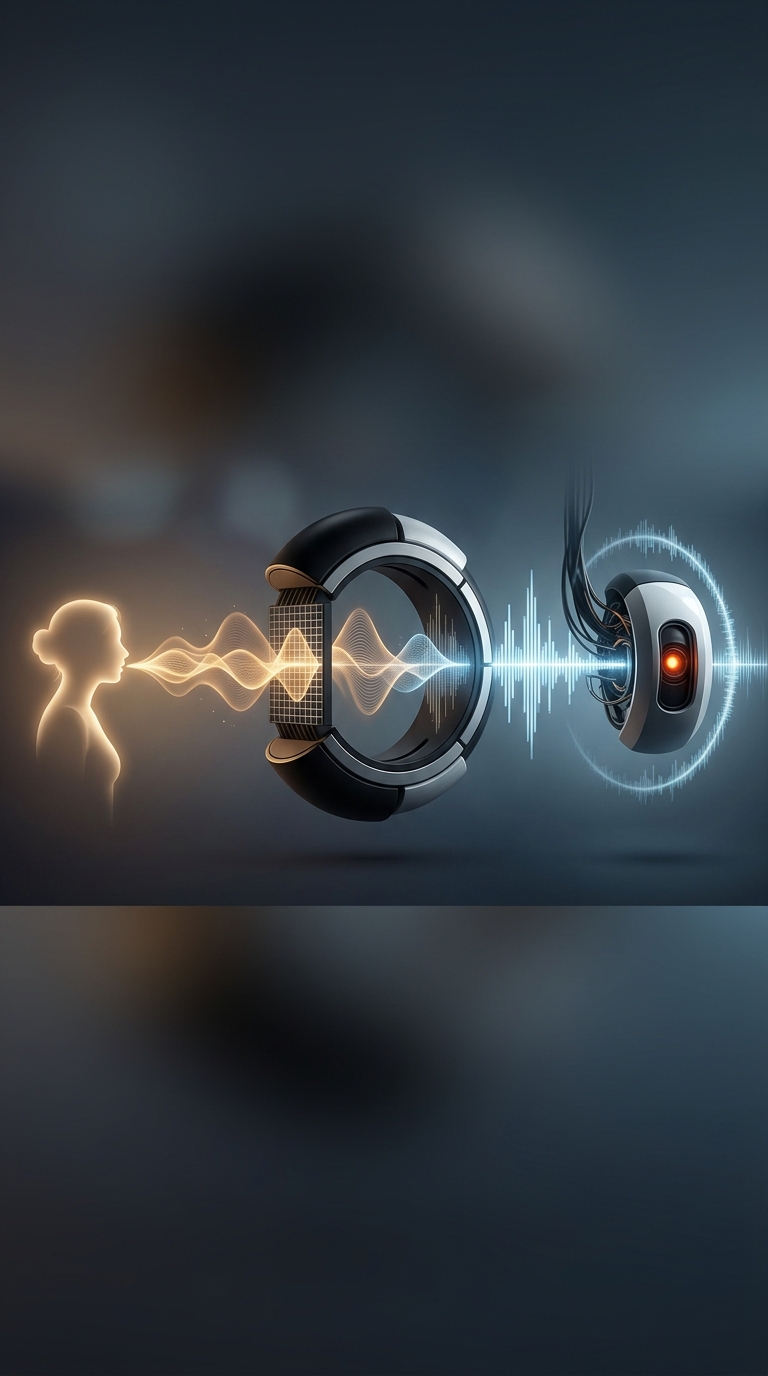
A human performance, made strangely inhuman
GLaDOS’s voice begins with a real actor: Ellen McLain recorded the character’s lines. Valve then ran those recordings through specialized speech software designed to help people with severe speech impairments communicate, altering the sound with synthetic processing.
That combination matters. McLain supplied the words and their timing, while the processing dulled the ordinary cues that tell listeners how a person feels. The result sounds controlled and almost conversational, but not quite emotionally readable. GLaDOS can deliver a threat without the vocal alarm a human speaker would usually bring to it.
Why the calm voice makes the jokes sting
The game builds its character out of that mismatch. GLaDOS speaks with polished composure while putting the player in danger, criticizing them, or dangling a promised reward. Her voice does not rise to match the situation; that gap makes the cruelty funny as well as unsettling. It also makes her feel less like a person losing her temper than a system calmly deciding what to say next.
The accessibility tool was not simply a gimmick layered onto a villain. It helped create the particular distance that defines her performance: a human voice is still recognizable beneath the artificial sound, but its warmth and inflection have been pared back. That contrast is why even a cheerful-sounding line can land like a warning.**