How wardrobe can become a sound effect on set
A microphone does not distinguish dialogue from clothing noise. A tiny movement can make fabric brush against fabric—or against a hidden microphone—and send a soft rasp or crackle into the recording. In a quiet scene, that sound may be far more noticeable than it would be in an ordinary room.
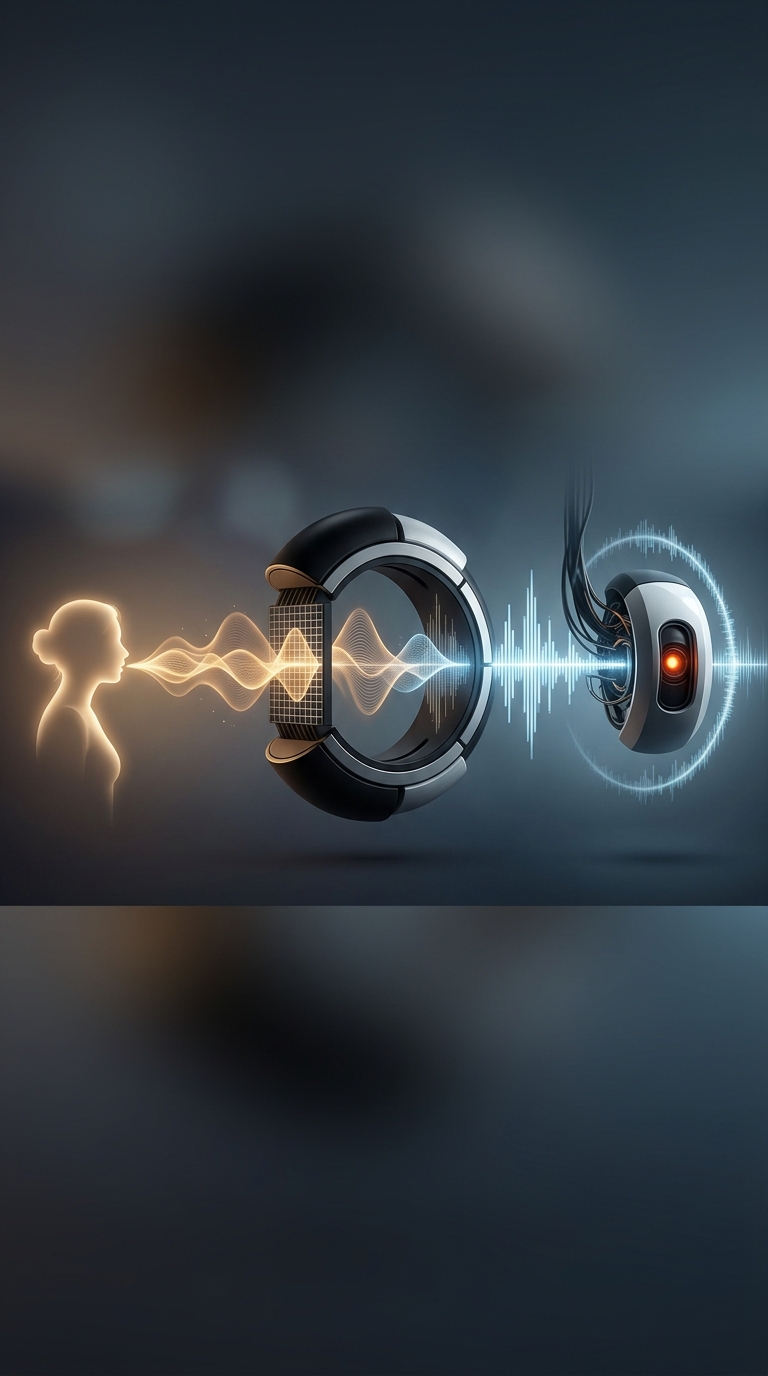
The problem is especially tricky with a lavaliere, a small microphone clipped near an actor’s chest and often concealed beneath clothing. A loose jacket can scrape across it; a collar or necklace can tap it. A boom microphone held above the actors avoids some clothing contact, but it may not capture every line cleanly, particularly when characters move or speak softly.
The costume has to work for both camera and sound
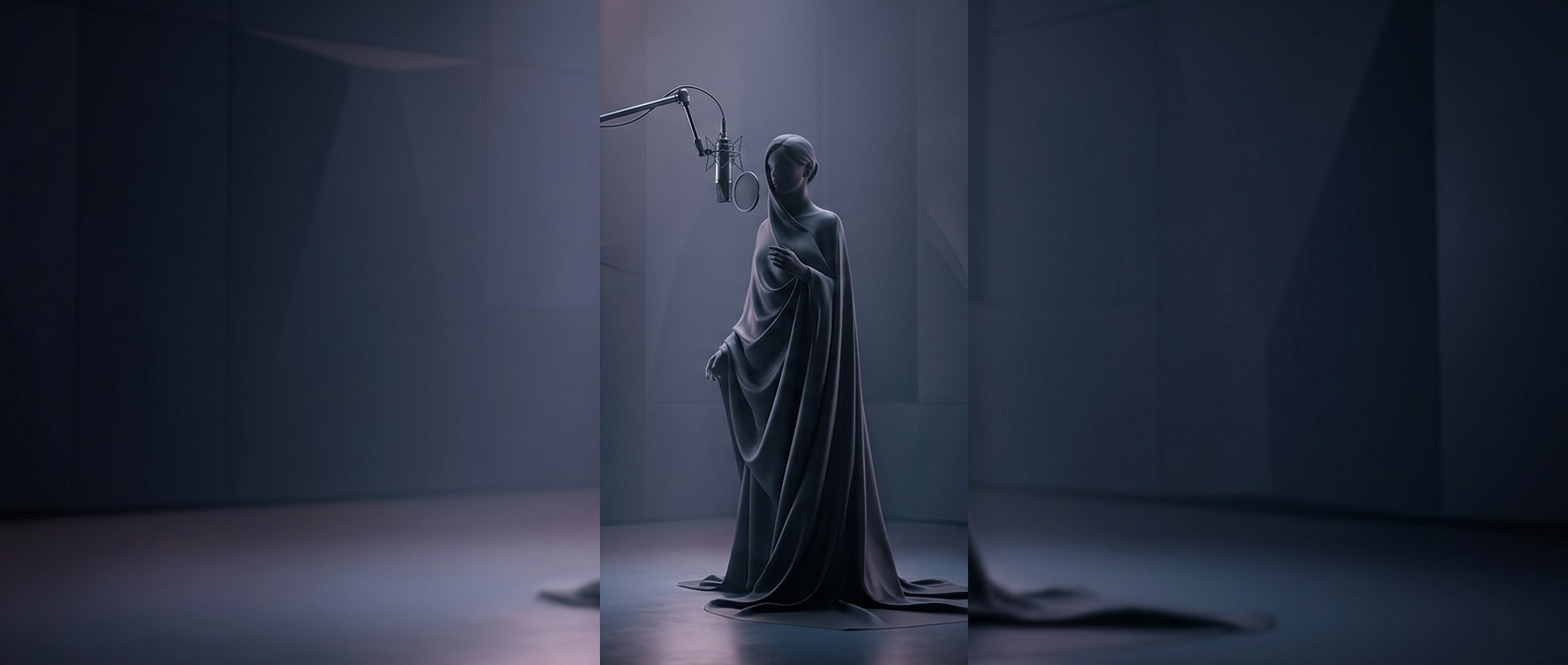
Wardrobe choices are therefore part of the sound plan, not just the visual design. A costume department may try a quieter material, adjust how a garment sits, or help the sound team find a place to hide the microphone where it will not rub. The solution has to preserve the character’s look while allowing the actor to move naturally.
If the noise cannot be controlled, production may record a take with a different garment or rely on a boom instead. An actor may also be asked to limit a movement that makes a repeatable scrape. That can create a tradeoff: the scene may sound cleaner, but a costume change or restricted gesture can affect visual continuity or performance.
The practical lesson is that a sound problem can begin before anyone speaks. A jacket that looks perfect in a close-up may force the crew to rethink how the scene is recorded—or how the actor moves through it.