More seats without a full second cabin
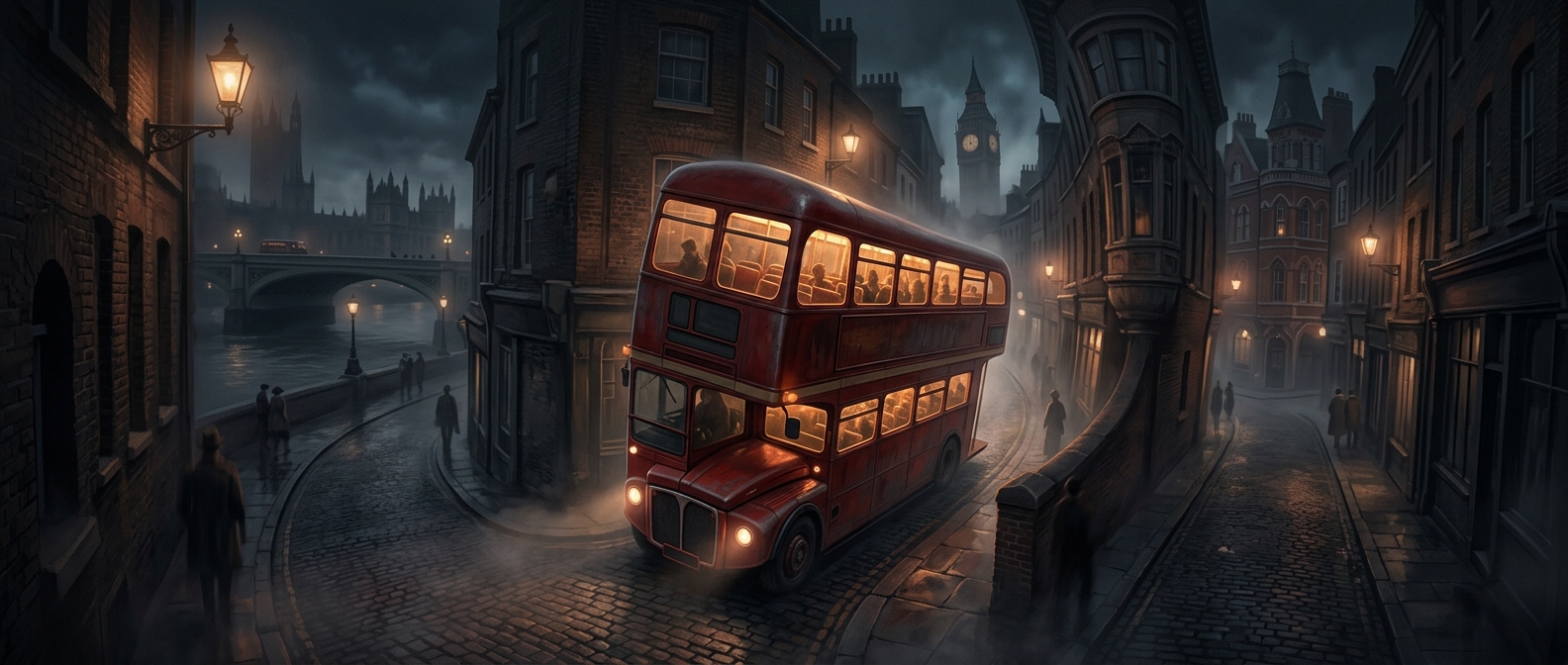
A double-decker’s upper level could add passenger space, but enclosing it meant building more than a row of seats. Walls and a roof required extra material and supporting structure, adding both cost and weight. Because that weight sat high above the wheels, it also mattered to the vehicle’s balance and stability.
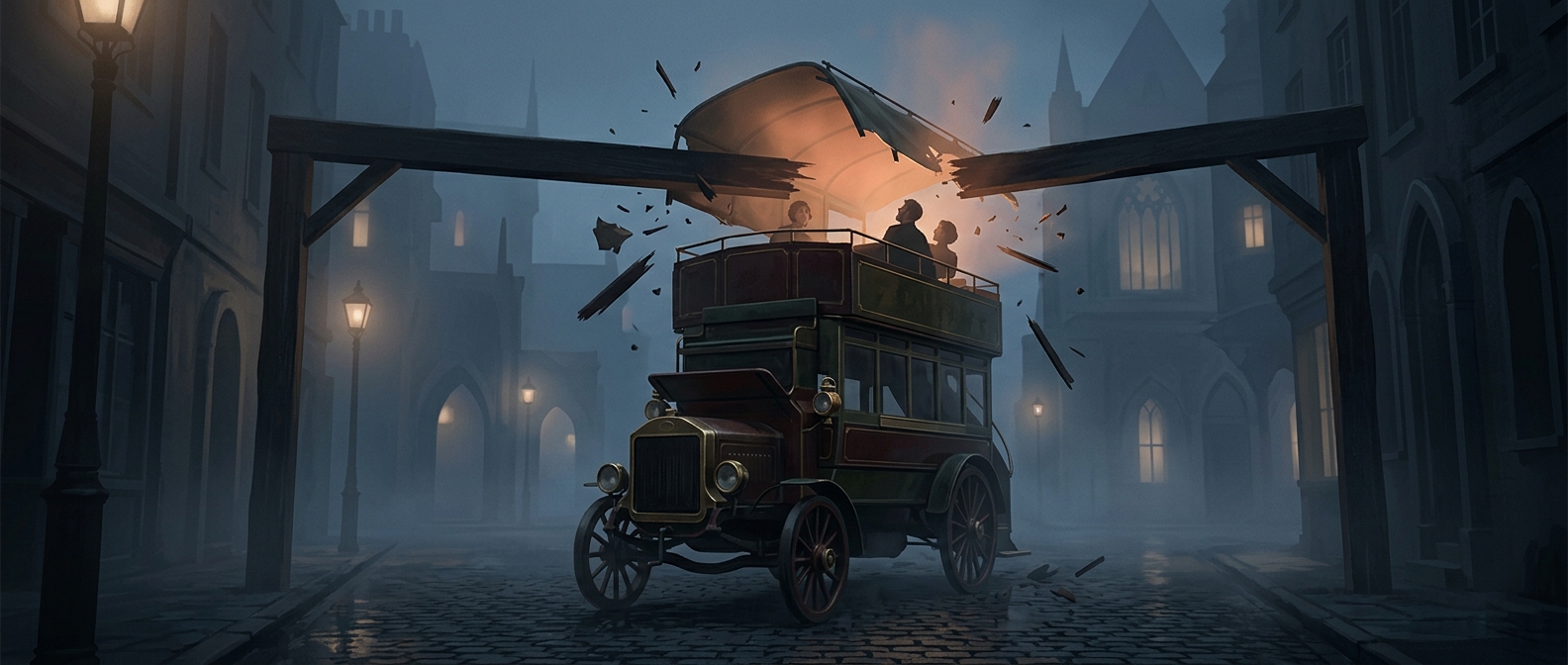
Leaving the upper deck open was a straightforward compromise: keep the extra seating, but avoid much of the structure needed to make it a second enclosed cabin. The bus still needed a frame and seats; “open” did not mean unbuilt. It meant accepting a simpler, more exposed space above the covered lower deck.
The tradeoff was written into the ride
The savings came with a cost passengers could feel. Without a roof overhead, upper-deck riders were exposed to rain and wind, and had less shelter in cold or unpleasant weather. The lower deck offered protection; the upper one exchanged that comfort for additional capacity.
That makes the design less a novelty than a visible engineering bargain. A bus could carry more people without carrying the full weight and expense of another enclosed level—but every rainy trip reminded passengers what had been left out.