A container can float before it sinks
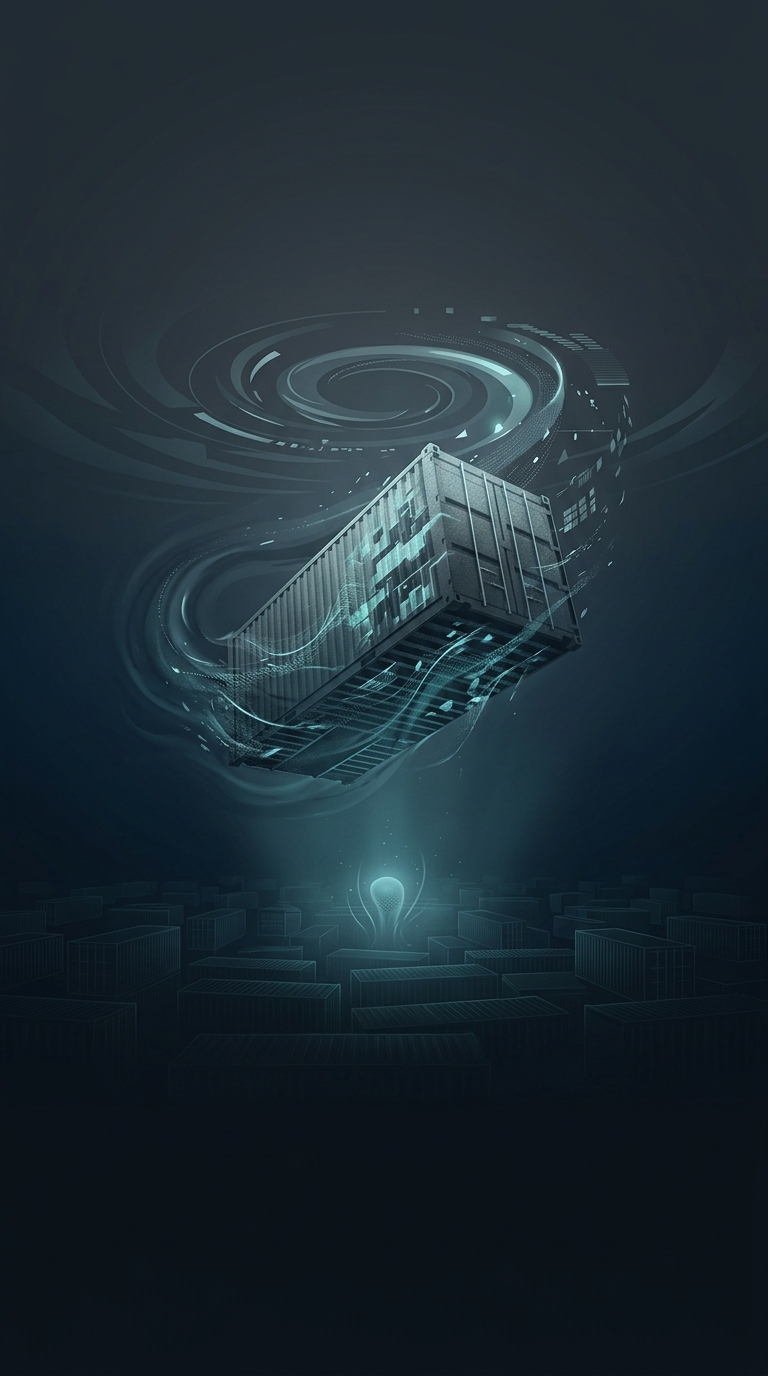
A steel shipping container is not automatically a steel anchor. If it goes overboard with its doors shut and enough air trapped inside, it may float for a while. Its fate depends on what it carries, how tightly it is sealed, and whether waves or damage let water in. Once water replaces enough of the trapped air, the container loses buoyancy and sinks. Heavy cargo can send it down quickly; some containers may drift at the surface first.
That short floating phase can be hazardous. A low container may be difficult for crews to spot, especially in rough seas, and can endanger other vessels. If it reaches a coast, it can damage shorelines or become a risk to people in the water.
The cargo determines what happens next
On the seafloor, the container’s steel shell may remain intact for a time, but pressure, corrosion, and impacts gradually weaken it. Eventually it can open or collapse, releasing its contents. The effects vary: ordinary goods may become debris, while plastics can persist and spread as litter. Cargo that is hazardous or polluting poses a more direct threat if it leaks.
Some losses never produce a dramatic wreck on the surface. A container may settle in deep water, out of sight and difficult to locate. Even when its position is known, bringing it back can be unsafe or impractical: the container may be damaged, the cargo’s condition uncertain, and recovery equipment must work in challenging conditions.
Recovery is a tradeoff, not a routine cleanup
When a lost container is near a busy route, a coast, or an area where its contents could cause harm, locating and recovering it may be worthwhile. Elsewhere, the cost and risk of a deep-sea operation can outweigh the benefit of retrieving the steel box. The first priority is often to identify what was aboard and where it went, so crews and authorities can judge the danger.
A container’s disappearance is therefore not the end of the story: it can drift as an unseen obstacle, sink with its cargo, or eventually break apart on the seabed.