Why a station has to travel in pieces
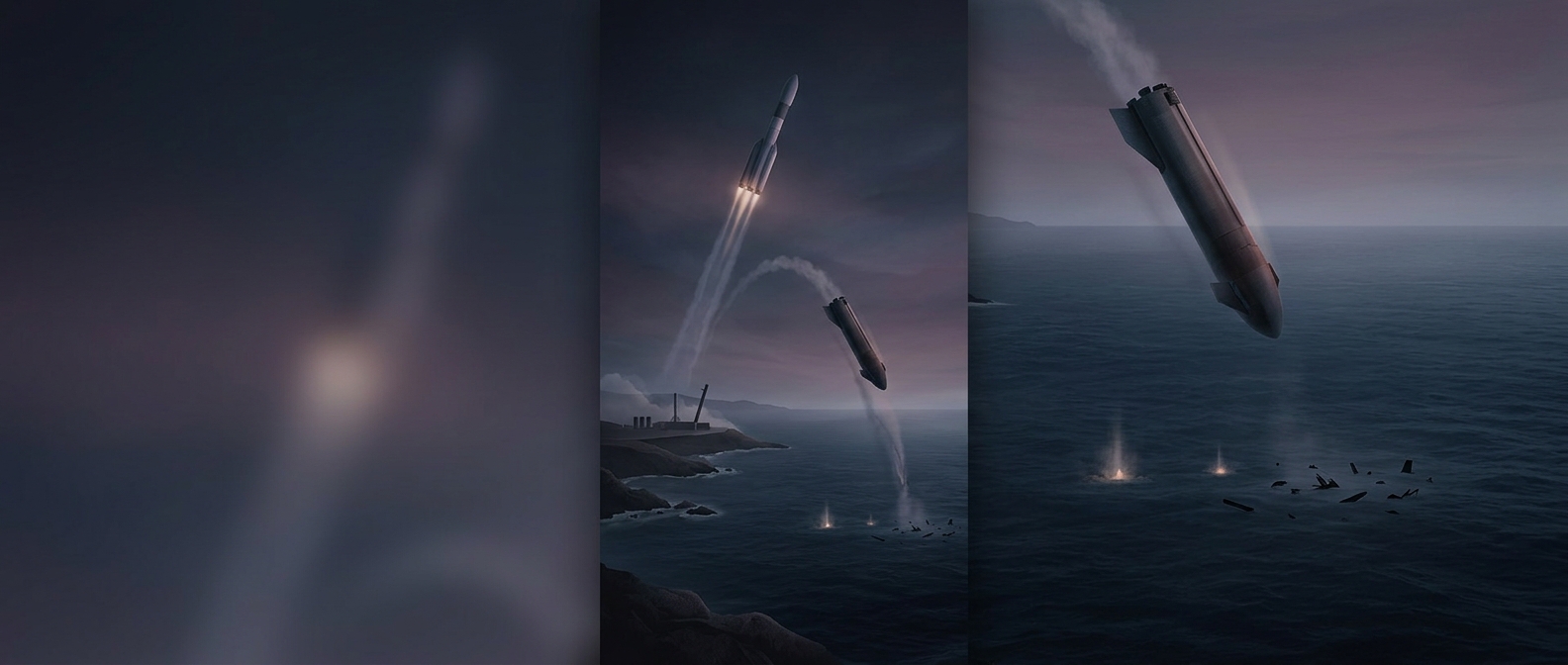
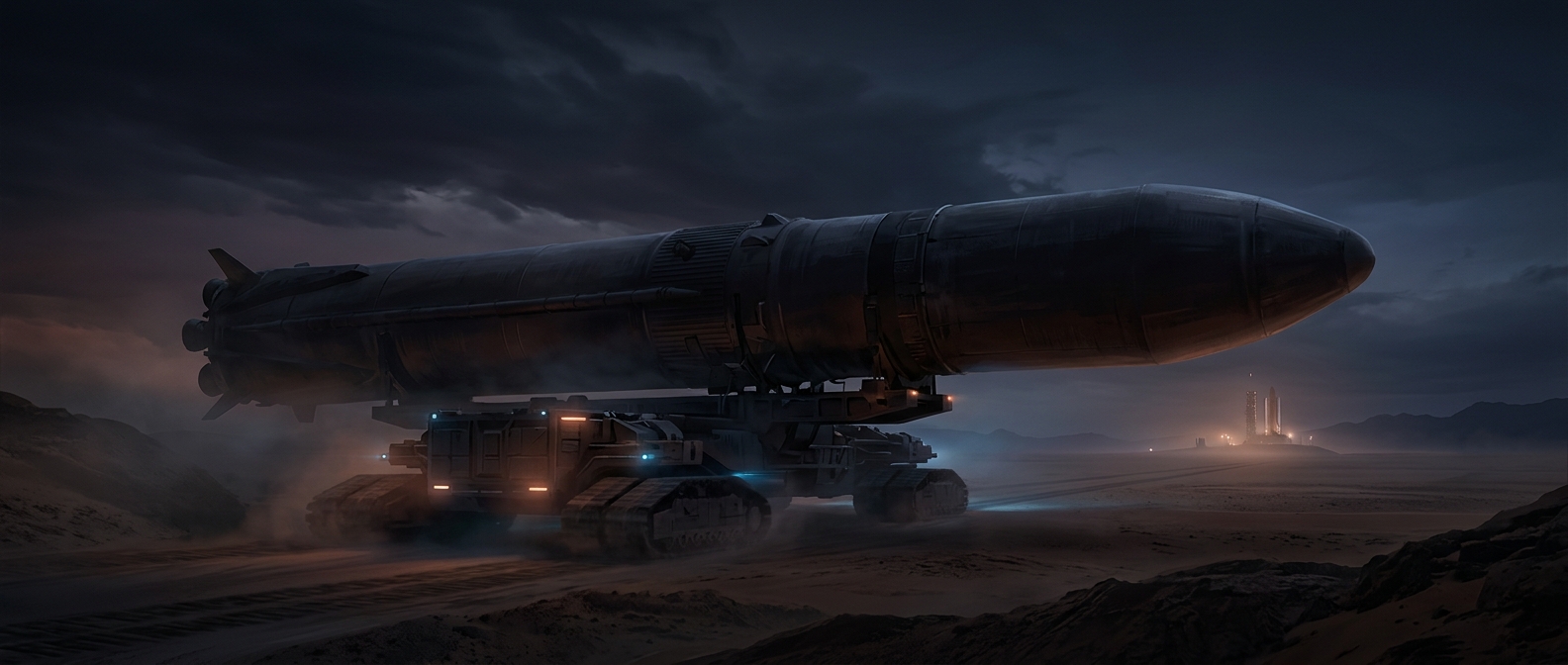
A rocket’s payload is limited by the size and mass it can carry through the atmosphere and into orbit. A station wide enough to provide roomy living and working areas would be difficult to fit inside a rocket’s nose cone. Designers therefore divide it into modules—pressurized rooms, connecting passageways, and exposed equipment—sized to fit available launch vehicles.
That choice shifts some construction from Earth to orbit. A module can be tested and launched as a unit, but the station must be designed so separate pieces can connect and function together.
Docking is only the beginning
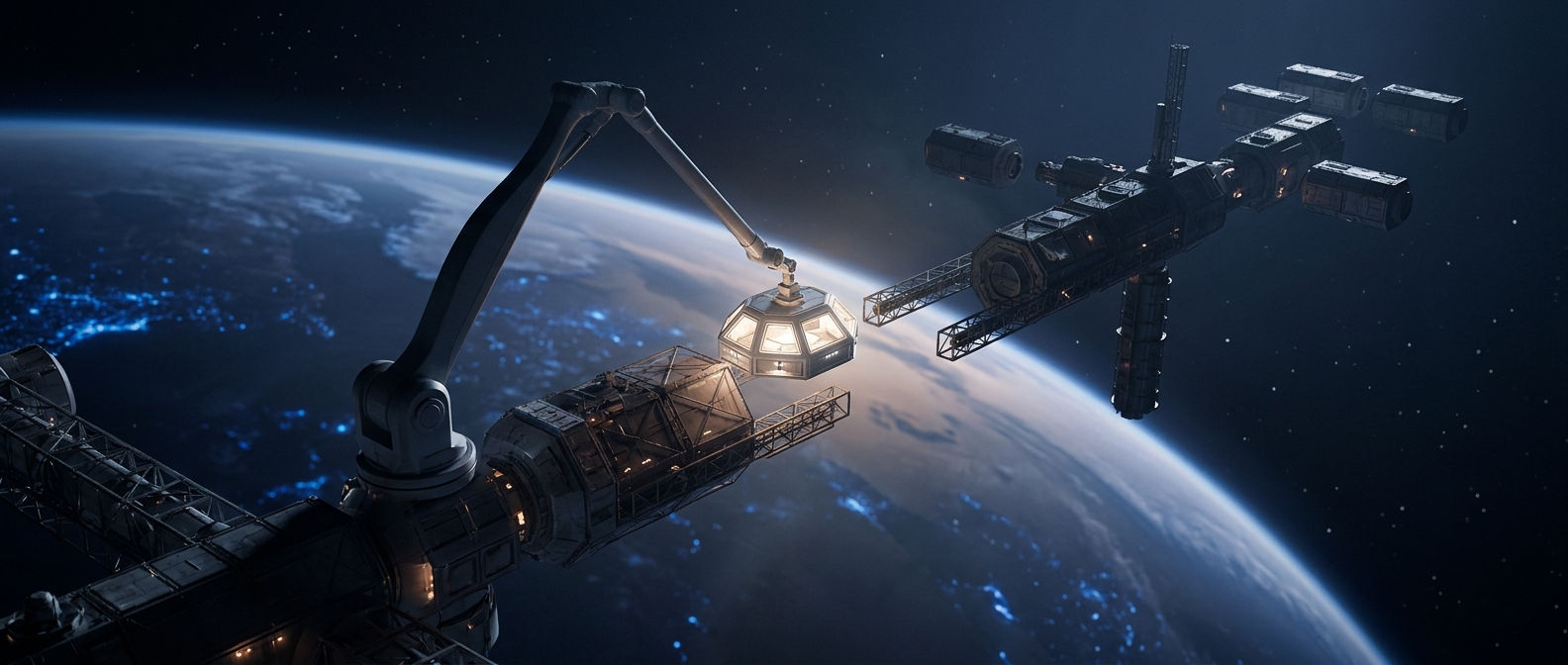
After launch, a module must reach the station’s orbit and approach at a controlled speed. A docking mechanism guides it into position and makes a sealed connection. Astronauts or robotic systems can help maneuver large pieces, but every connection also has to line up electrical, data, and other services where the design requires them.
The structure must then behave as one station: joints need to hold under repeated heating and cooling as the craft moves between sunlight and shadow, while equipment and passageways must remain accessible. Assembly plans account for the order of installation, since a newly attached section can block access to a later one.
Orbit becomes the construction site
Building in orbit avoids the need to launch the entire finished structure at once, but it brings its own constraints. There is no ground beneath the work, and each task depends on precise timing, functioning equipment, and safe procedures around the station.
The result is a structure that grows through a series of launches and connections. Its layout reflects not just where people will live and work, but also what can fit inside a rocket and be joined reliably hundreds of miles above Earth.