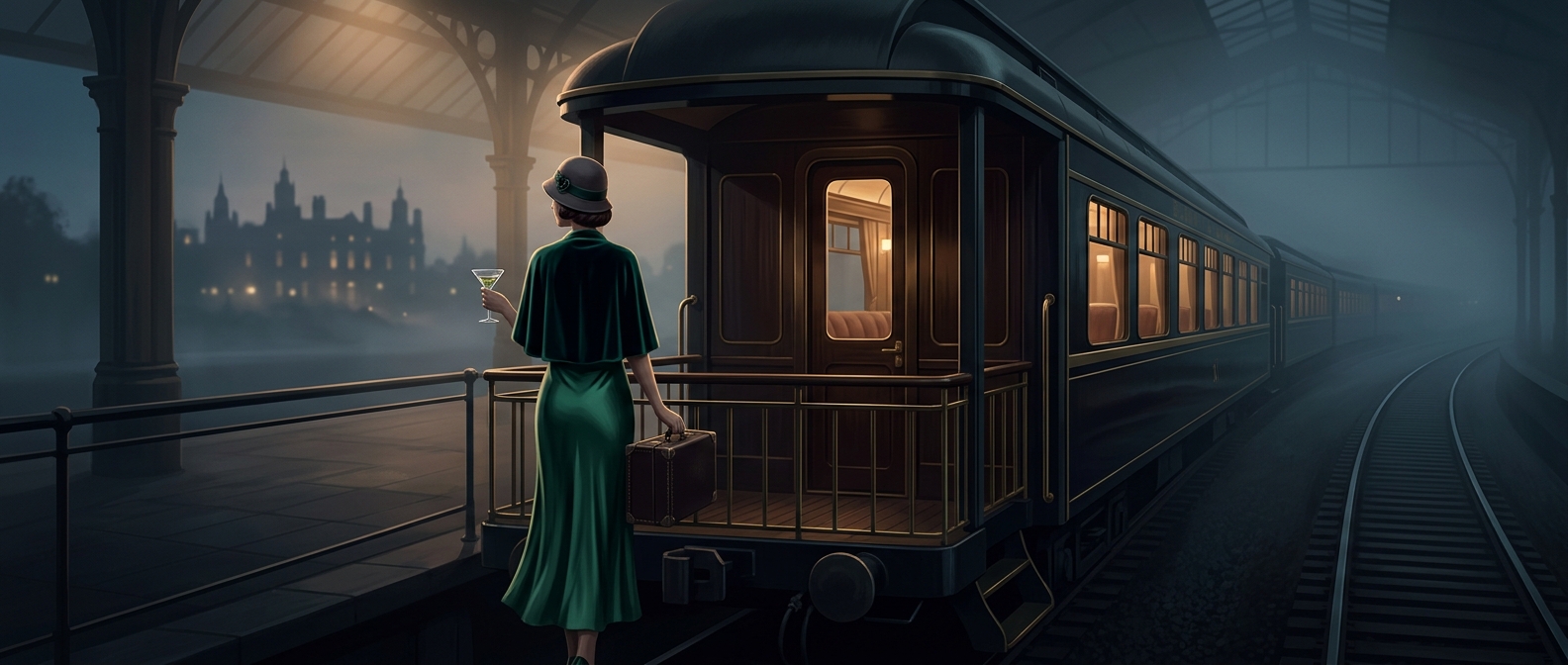
A throne on rails
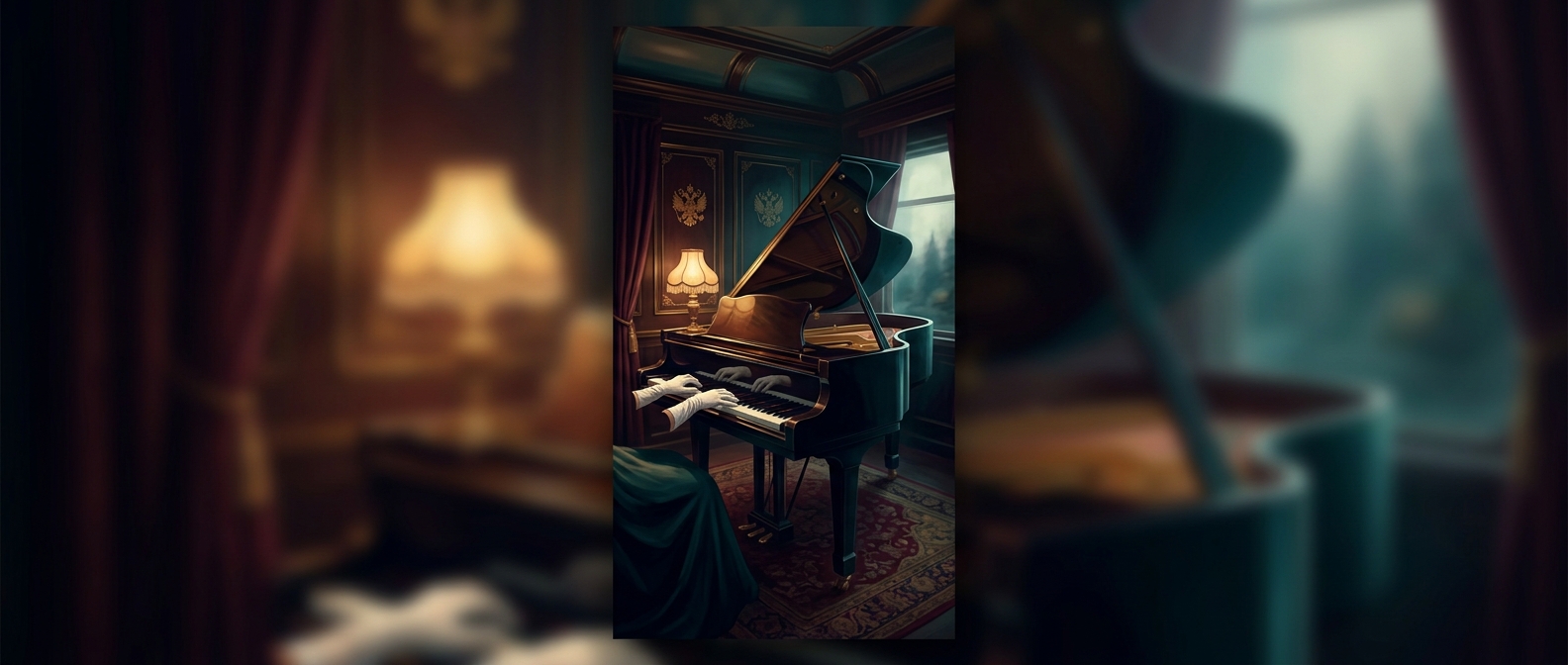
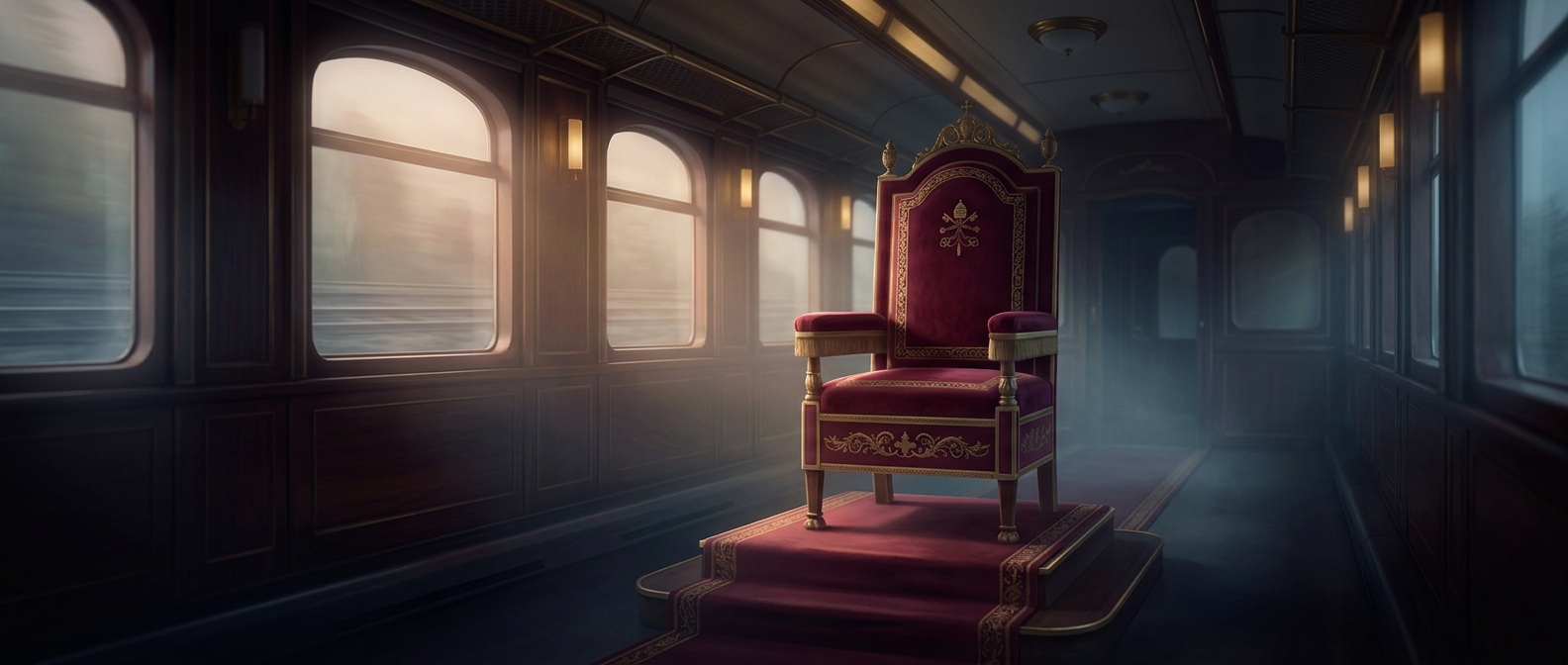
In the 19th century, rail travel was becoming a practical way for rulers and other public figures to cover distance quickly. But a papal journey was not simply a matter of getting from one station to another. A carriage furnished with a gilded throne turned part of the train into a formal reception room: the Pope could occupy a recognizable seat of office while traveling, rather than appearing only as a passenger.
Ceremony built into the carriage
The throne’s importance was symbolic, not mechanical. It did not make the train faster or safer; it shaped how the journey was seen. Gilding and elevated seating carried the visual language of ceremony into an enclosed, moving space. The carriage could therefore serve two purposes at once: transport the Pope and preserve the formal setting associated with his authority.
That mattered because railways made travel more visible and public. Stations brought officials, clergy, and onlookers into contact with a traveler who might once have crossed the same distance by carriage. A specially appointed interior helped distinguish a papal visit from an ordinary arrival, even before the Pope stepped onto the platform.
The striking detail is that the throne did not wait at the destination. The journey itself was arranged to look like an act of office.