Privacy on a timetable
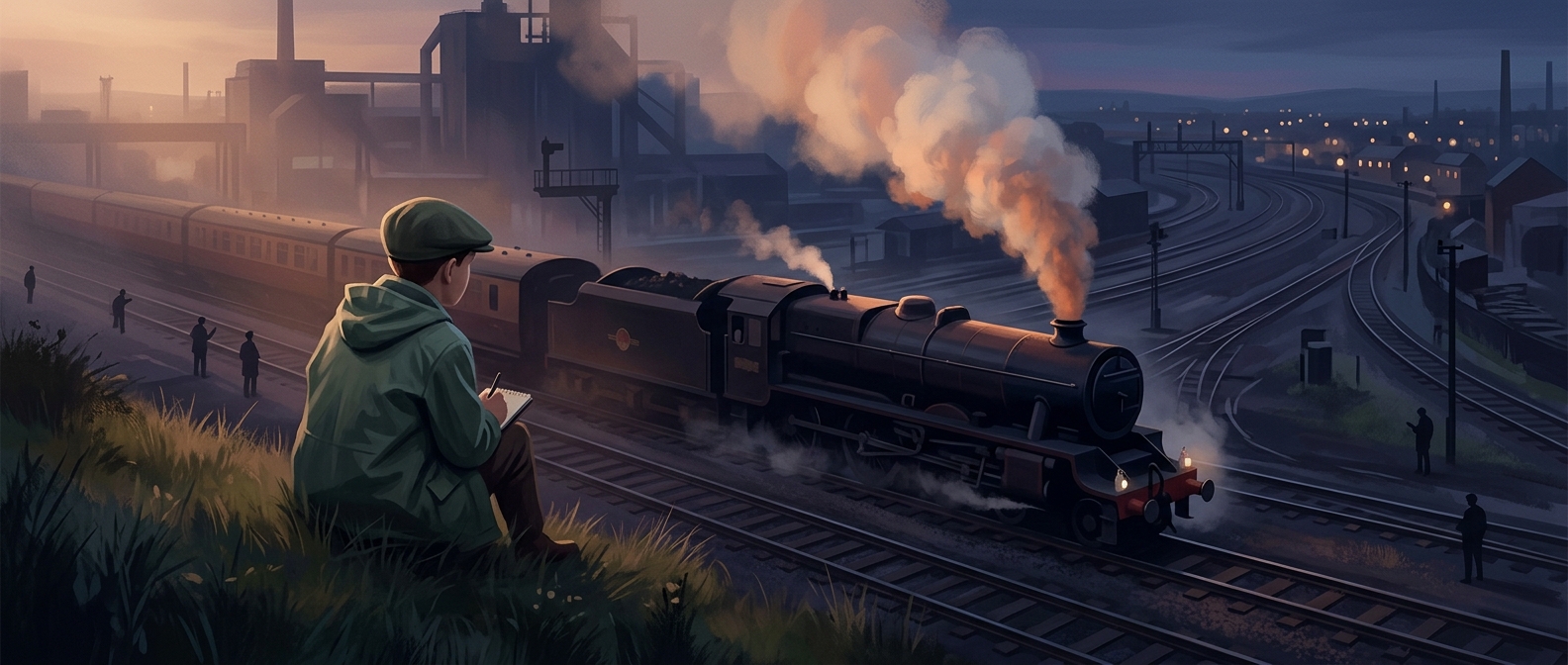
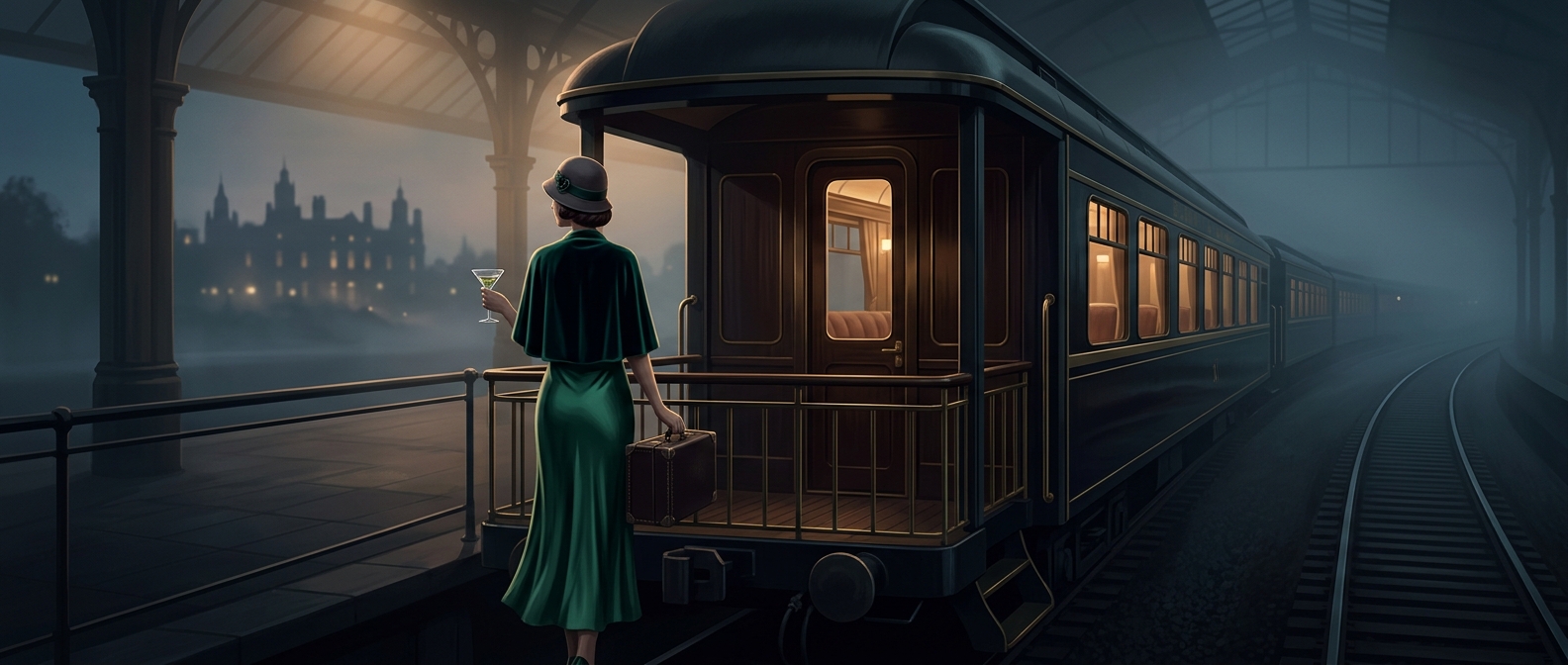
A private railcar can make a journey feel secluded, but it does not create a separate railway. In many cases, the car travels as part of a train operated by someone else, moving over tracks shared with other rail traffic. The retreat is inside the car; the route, speed, and stops still depend on the railway’s schedule and operating rules.
That distinction is what makes rail privacy unusual. A door can close on a conversation, and meals or seating can happen in a private space, while the landscape passes outside. Unlike a road vehicle, the car cannot turn off for a quieter route or pull over when its passengers want a break.
The car has to fit the railway
A railcar is not simply a room on wheels. It must be suitable for the tracks and train it will travel with, and it needs the connections and arrangements required for the journey. Its movement also has to be coordinated with the operator responsible for the train. Those practical constraints shape when and where a private car can go.
The result is a tradeoff: passengers gain a contained space, but not complete control of the trip. A private car can soften the social demands of a long journey—people can eat, sit, or retreat behind a door without leaving the train—yet the railway still determines the pace.
An escape with boundaries
That is why the idea works as more than a joke about family gatherings. The train supplies a literal boundary from the outside world, but its fixed path makes the escape deliberate rather than spontaneous. Once the doors close, the scenery keeps moving; the passengers have their own space, but they are still going wherever the rails lead.