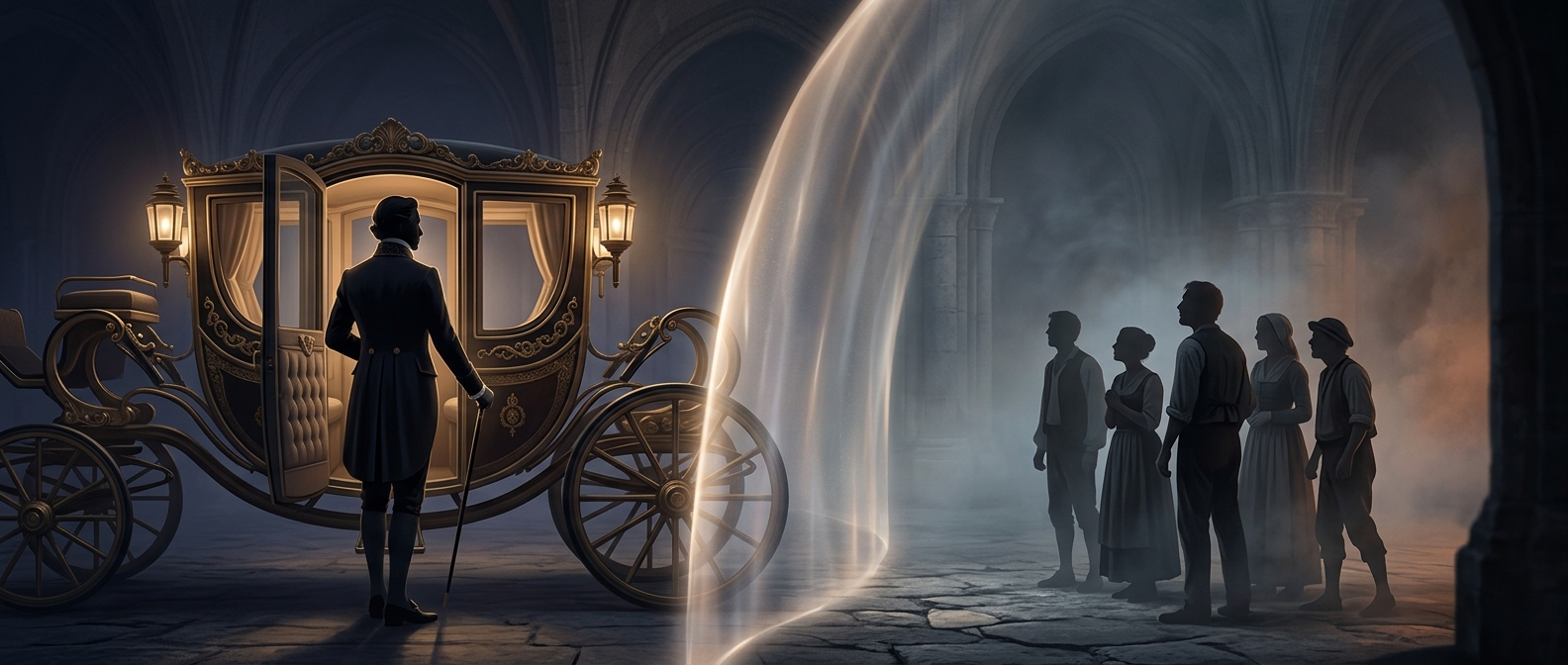
A carriage could be a moving boundary
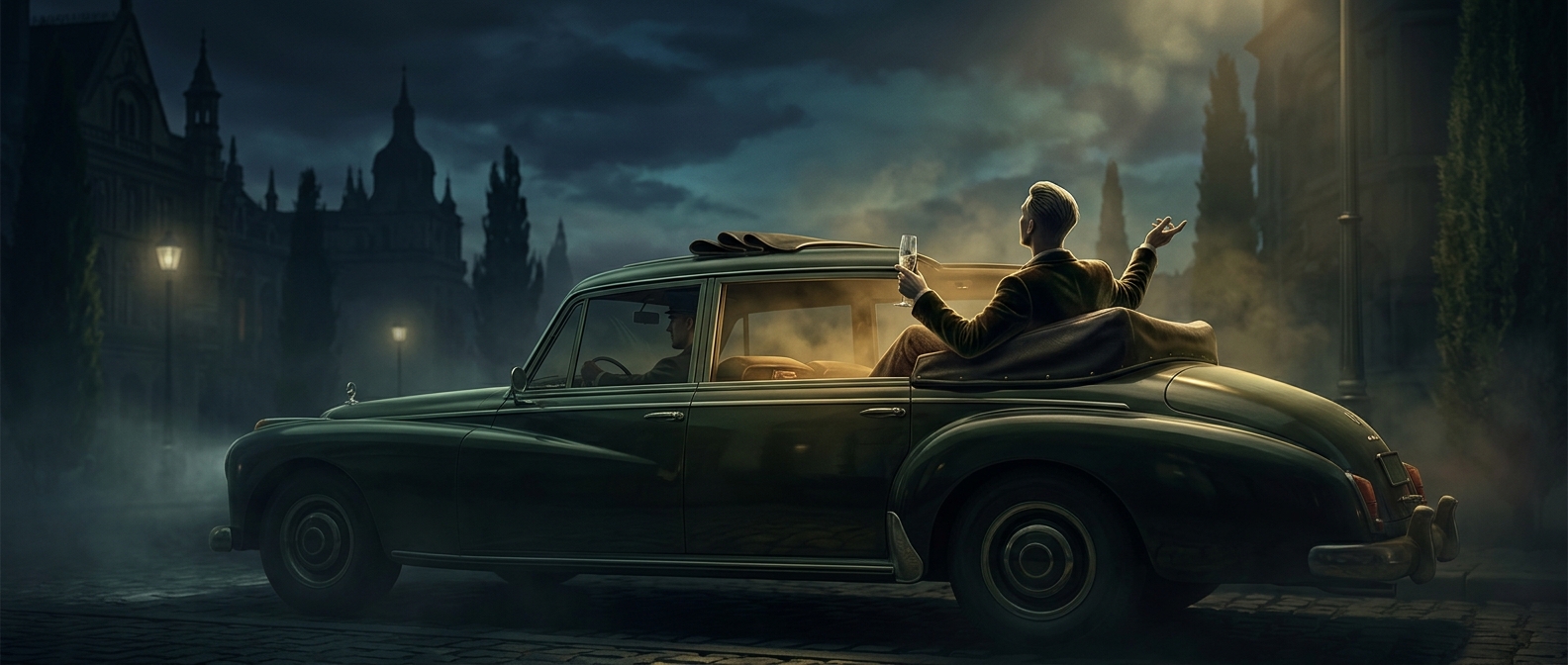
For wealthy travelers, avoiding company on the road often meant more than choosing a better seat. An aristocrat with a private carriage could travel with household members and servants instead of booking space in a public coach, where strangers sat close together for hours. The carriage door kept out not only weather and dust, but also the unwanted intimacy of shared travel.
Public coaches made status visible
Public stagecoaches carried passengers along scheduled routes, and their seats were not all alike. Inside seats offered more shelter; less expensive places could leave travelers exposed to the weather. Who could afford a private vehicle—or a costly seat—therefore shaped the experience of the journey as much as the road did.
A private carriage also gave its owner control over when to leave and where to stop, advantages that mattered on long trips. It required money, attendants, and upkeep, so it was not simply a more comfortable version of public transport. It was a way to avoid depending on it.
Separation traveled with the traveler
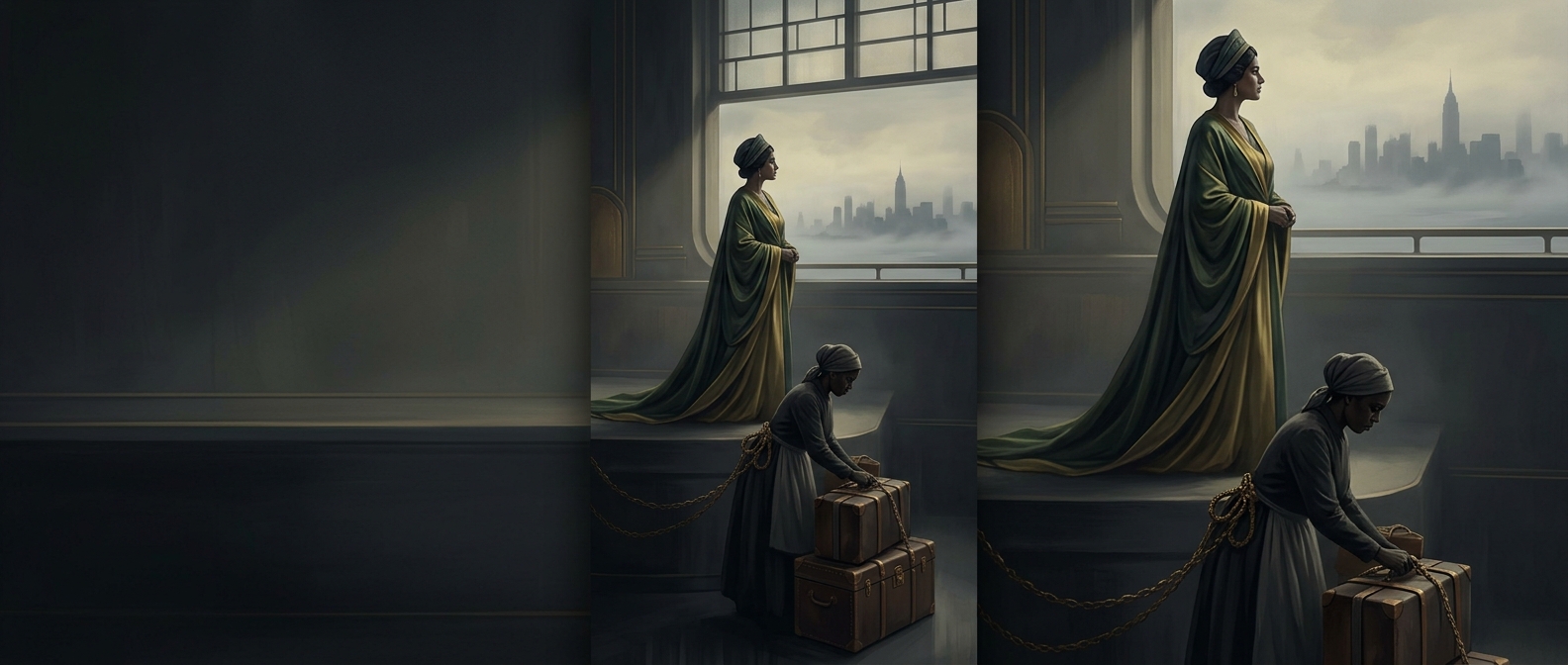
Road travel brought people of different means into the same transport system, but it did not necessarily bring them into the same space. For the aristocrat, mobility could include the privilege of not sharing the ride at all. A carriage thus served both as transport and as a portable marker of rank: even while moving through the same landscape, passengers could remain carefully apart.