Why a Horn Cannot Clear a Traffic Jam
A horn can warn a driver about an immediate hazard, but it cannot remove the physical reason a line of cars has stopped. If vehicles are waiting at a red light, blocked by a truck, or queued behind a full intersection, the driver in front may have nowhere safe to go. A blast from behind adds pressure, not space.
That is why honking often works poorly as a command. The driver ahead may already see the same obstruction, and moving sooner could mean entering an intersection they cannot clear or closing the gap unsafely. The sound reaches them, but it does not change the conditions that determine whether they can move.
The City Amplifies the Noise, Not the Message
In a dense street, building façades can reflect sound back toward the roadway. These reflections—an urban-canyon effect—make a horn seem to come from several directions and can blur which driver is being addressed. Meanwhile, many horns may overlap. A brief warning becomes part of a general wall of noise rather than a clear signal tied to one danger.
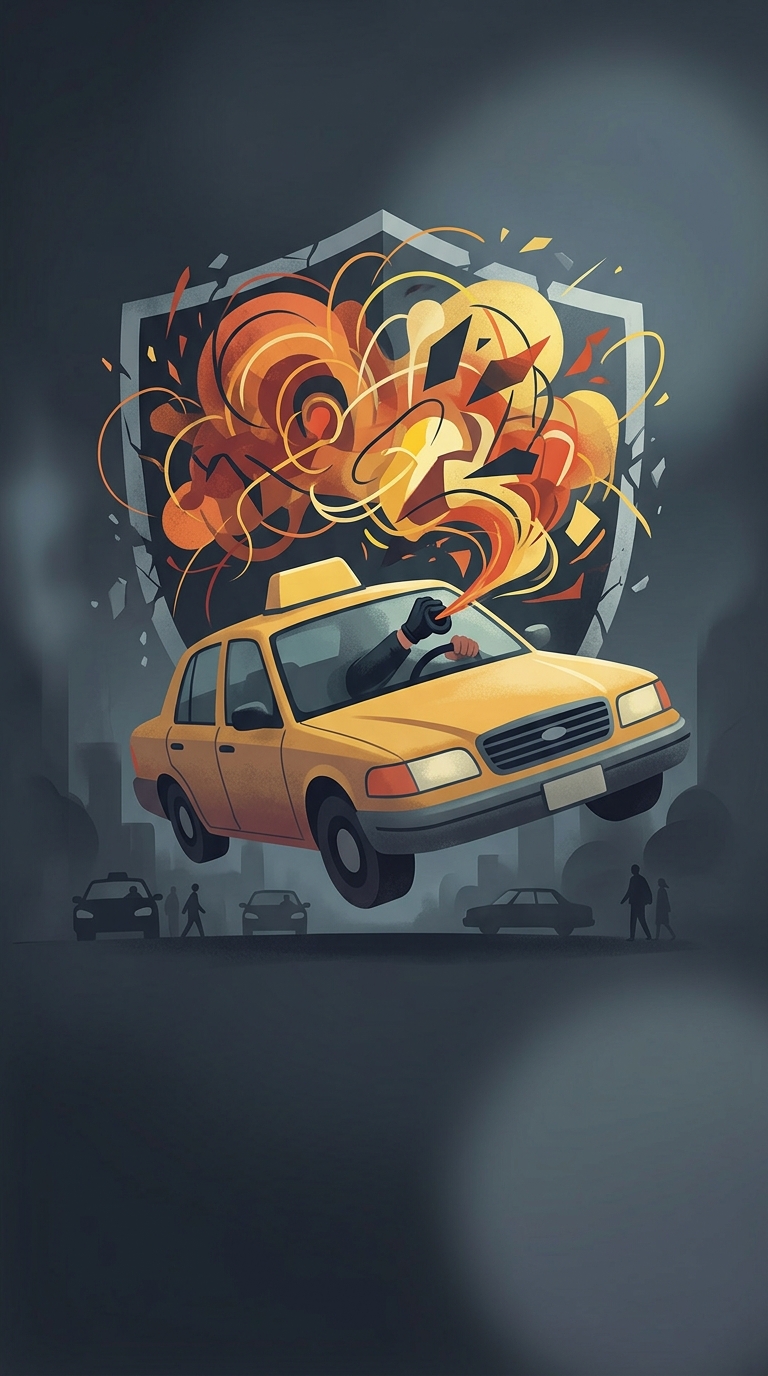
That distinction matters: a horn carries useful information when it alerts someone to a risk they may not have noticed. When it is used repeatedly to demand motion, it loses that function. Drivers hear urgency, but they cannot reliably tell whether it signals a genuine hazard or impatience.
What the Rule Is Trying to Preserve
New York City’s restriction on unnecessary honking reflects that difference between warning and pressure. Limiting routine horn use can reduce noise without taking away the tool’s essential purpose: alerting someone to danger. In a gridlocked street, the most effective response is usually the one that addresses the blockage—not a louder signal aimed at the car trapped behind it.