A blast with no ground-level fireball
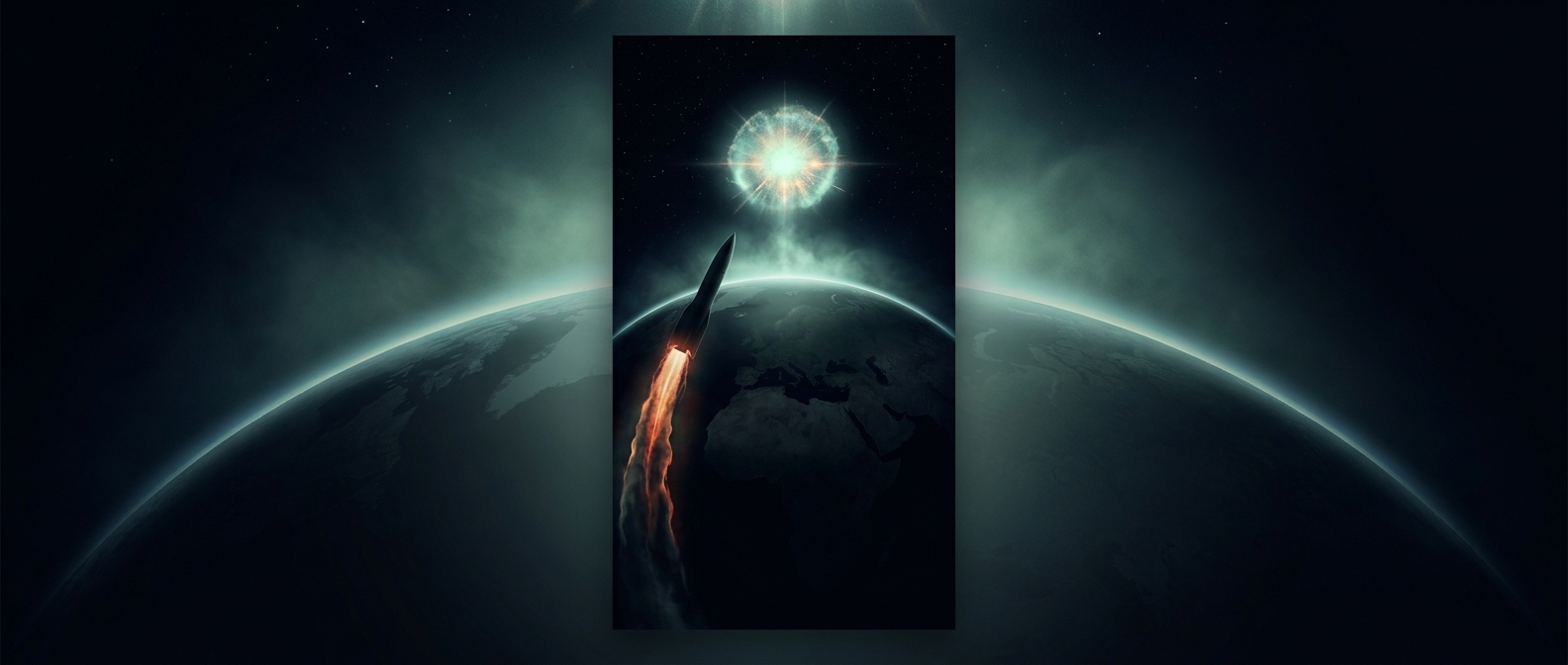
Operation Starfish Prime was part of a series of US high-altitude nuclear tests in 1962. The warhead detonated roughly 250 miles above Earth, far higher than an ordinary atmospheric explosion. At that altitude, there was no nearby ground for a conventional blast wave to smash. Instead, the detonation released intense radiation into the thin upper atmosphere—and that set off a different kind of disturbance.
How the pulse reached Hawaii
Gamma rays from the explosion struck air molecules and knocked loose fast-moving electrons. Earth’s magnetic field then steered those electrons, helping create a brief electromagnetic pulse, or EMP: a rapid change in electromagnetic fields that can drive unwanted currents through electrical systems.
Long wires and power lines are especially vulnerable because they can act like antennas, gathering energy across a wide area and carrying it into equipment. The pulse traveled far beyond the blast site. In Hawaii, about 900 miles away, it disrupted electrical systems, including streetlights. The effect did not require the bomb’s heat or blast to reach the islands; it was the pulse’s interaction with the electrical grid that mattered.
A new kind of distance
The test demonstrated that a nuclear detonation could affect infrastructure well beyond the place where it exploded. That made high-altitude blasts a distinct military and engineering concern: the danger was not only destruction beneath a bomb, but also disruption to systems spread across a region.
The striking detail is the mismatch between cause and consequence. A warhead exploded in space, yet a city’s lights went out far below—not from falling debris or a shock wave, but from currents induced in the wires that connected the city.