Why a Pool Can Turn The Sims Into a Moral Test
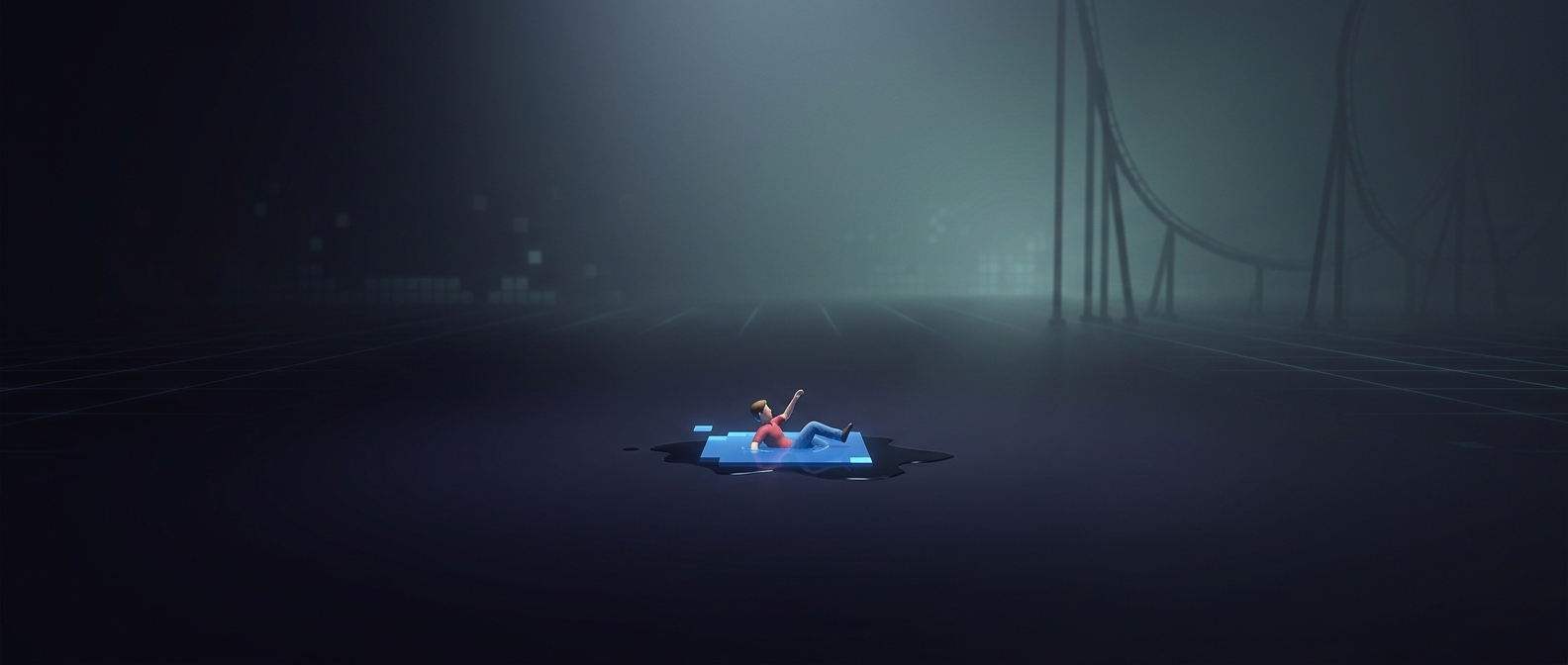
In The Sims, a swimming pool is usually a place for recreation. But players can also use the game’s building tools to remove the ladder, leaving a Sim unable to climb out. The setup turns a familiar domestic scene into a tiny experiment in control: the player creates the danger, watches what follows, and can intervene—or choose not to.
The unsettling point is not that this proves players are secretly cruel. A Sim is a fictional character, and the player knows the situation is a game. That distance changes how the scene feels. The player can treat the character’s distress as part of a story, a joke, or a test of the game’s rules rather than as a real person needing help.
What the Joke Reveals About Play
Games give players goals and powers that ordinary life does not. In The Sims, players can shape homes, direct routines, and trigger consequences, while the game’s systems make those consequences visible. Removing a ladder is therefore both a prank and a demonstration of the player’s control over the simulation. The appeal may come from surprise, dark humor, or curiosity about what the game will do—not from a wish to harm anyone outside it.
That distinction is the meaningful psychological wrinkle: people can explore troubling choices when the consequences are safely confined to fiction. A player may feel little guilt because the character is not real, even while recognizing that the scenario would be horrifying in real life. The pool becomes memorable precisely because such a small change—taking away one ladder—reveals how much power the game gives its player, and how readily play can turn that power into a dark punchline.