Why a leader’s reputation changes after death
A leader is judged while events are still unfolding. Allies may see a risky policy as a betrayal; opponents may see the same decision as proof of incompetence. The consequences are also incomplete: a reform may take years to show results, while its immediate costs are visible at once. People living through a leader’s choices do not have the tidy ending that later accounts can provide.
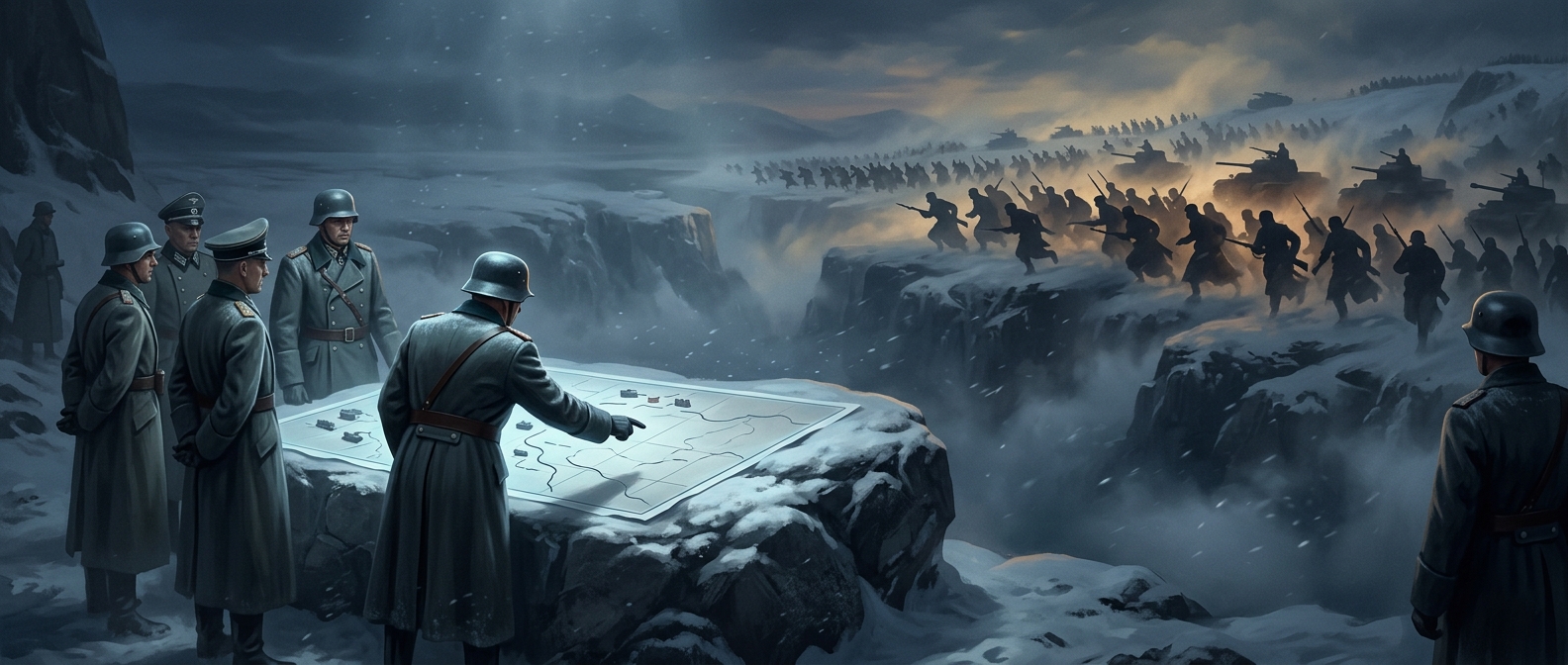
After a leader dies, the audience and the evidence change. The person can no longer make new decisions, answer criticism, or complicate the story with fresh failures. Later generations can arrange a life into a sequence with an apparent destination: early setbacks become preparation, and bold decisions become signs of vision. That pattern can make outcomes seem more predictable than they were.
How the polished story gets made
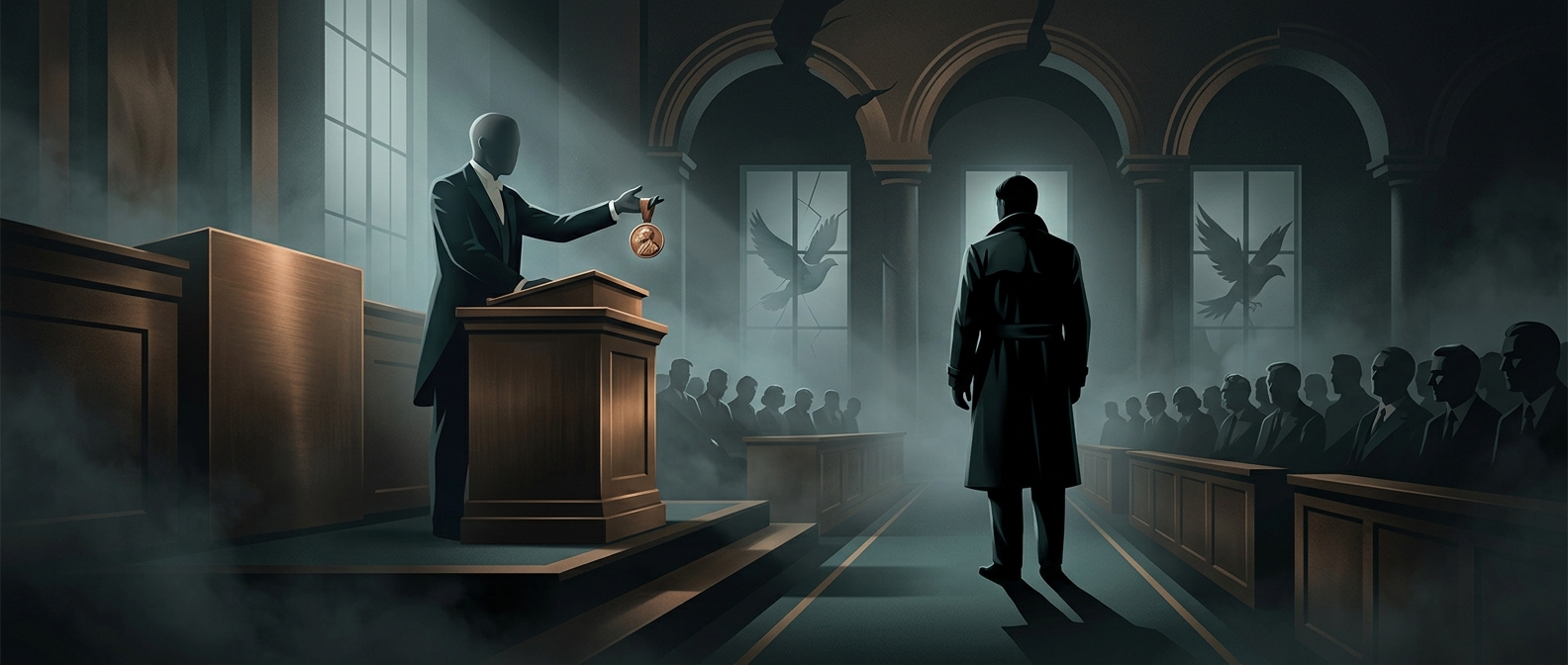
Reputation is shaped not only by what a leader did, but by which parts of the record later audiences choose to emphasize. Political movements may claim a figure as a model; national histories may make a contested leader a symbol of unity or resolve. Memorials and familiar stories favor memorable turning points over the slow, mixed consequences of policy. The result is not always deliberate falsification. It can be selective emphasis: real achievements remain, while failures receive less attention or are recast as necessary costs.
That does not mean every disliked leader will be celebrated later, or that contemporary criticism is automatically wrong. Later historians can recover neglected evidence and reassess both praise and blame. But they still interpret a record rather than observe the past without a point of view.
Greatness without hindsight
In the moment, greatness is difficult to separate from risk. A decision that eventually succeeds may look reckless before its outcome is known; one that fails may have seemed defensible given what leaders knew at the time. The fairest judgment asks what choices were available then, what harms followed, and who bore them—not just whether the ending made a leader’s story easy to admire.