The timetable behind Germany’s two-front strategy
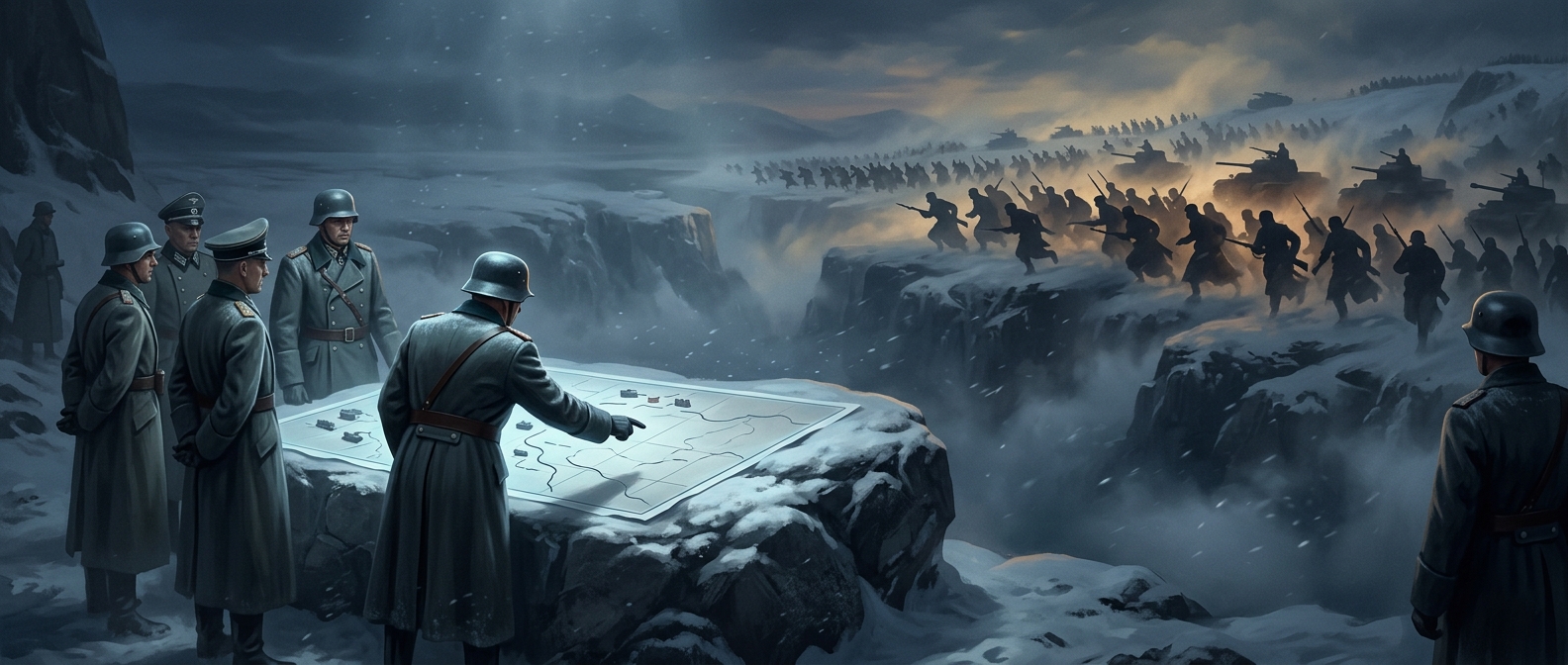
In 1914, German leaders faced a geographic problem: a major war could bring France to the west and Russia to the east. Their strategy depended on dealing with those enemies in sequence. Germany would send most of its forces west for a rapid campaign against France, while a smaller force held the east; after France was defeated, troops could be moved against Russia.
That sequence relied on time. Russian territory was vast, and its rail network was less able to move troops quickly than Germany’s. German planners therefore expected Russian mobilization—the process of calling up soldiers, equipping them, and sending them to the front—to take weeks or even months.
Russia moved before the plan could reset
Russia began mobilizing soon after the war started and sent forces into East Prussia within weeks. Its armies were not fully ready, but they appeared sooner than German plans had counted on. Germany had to reinforce the eastern front while its main offensive in the west was still under way.
The timing mattered more than a simple comparison of army size. German strategy depended on having enough time to concentrate strength in the west before shifting troops east. Russian speed narrowed that window and forced decisions before the intended sequence had played out.
A fragile schedule, not a single cause
The eastern emergency did not by itself determine the war’s outcome. German forces defeated Russian armies at Tannenberg in late August, while the western campaign also ran into resistance and logistical strain. But the plan’s assumptions left little room for either front to behave differently than expected.
A delay measured in weeks had been treated as strategic breathing room. When Russia acted sooner, Germany had to manage two active fronts before it had finished its first campaign.