Why Early Carriages Carried Lanterns
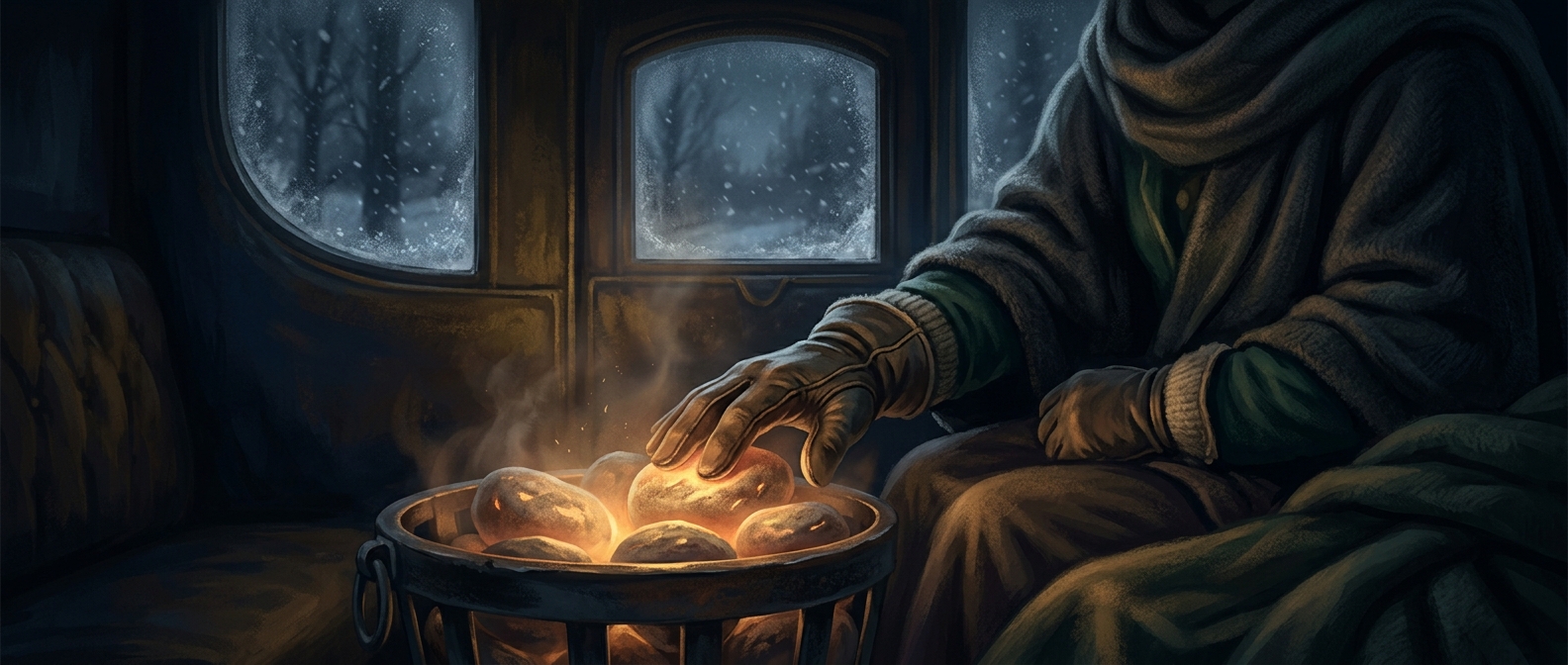
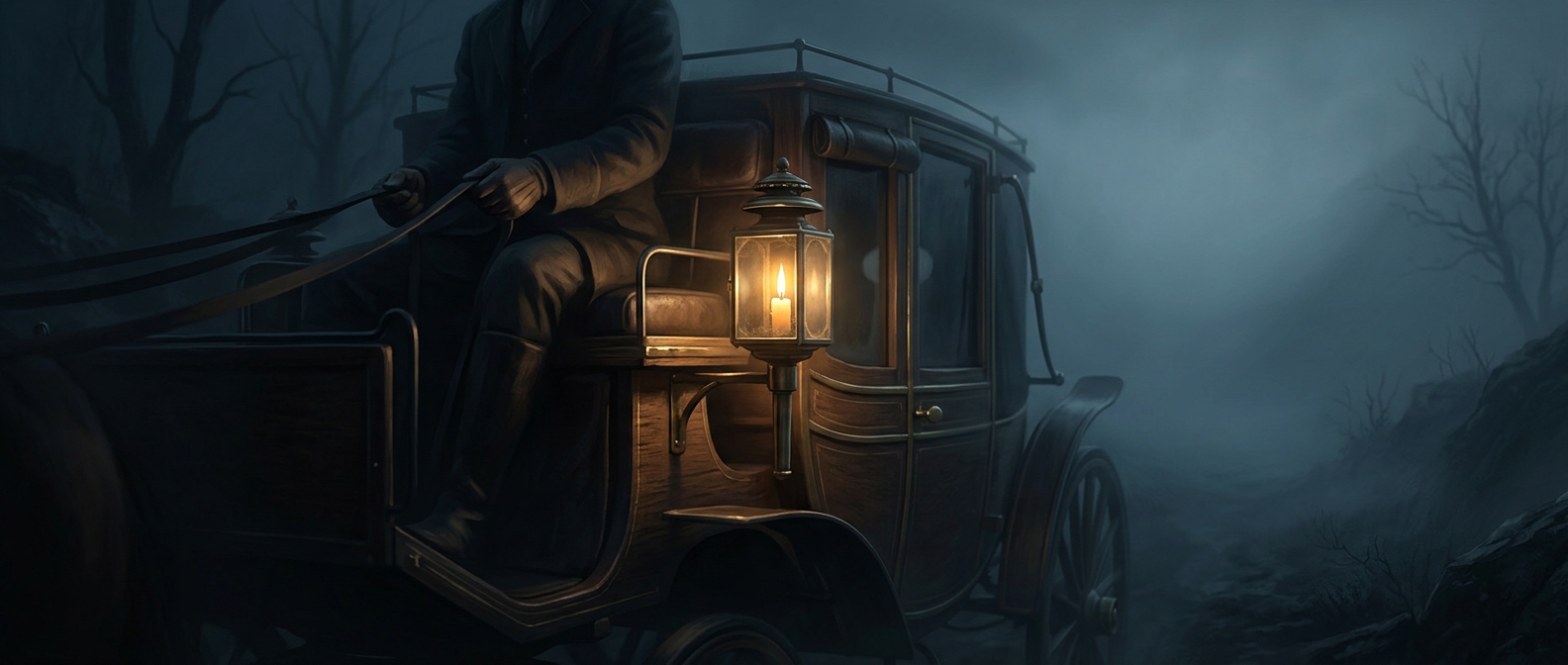
A carriage lantern had two jobs: make the vehicle easier to notice and give its occupants a little light. A candle burned inside glass to shield the flame from passing air, but the enclosure could not make its glow strong or steady enough to illuminate a road the way a modern headlight does.
The Horse, Not the Candle, Found the Way
At night, the horse relied on its own senses and familiarity with the route, while the driver guided it through the reins and by watching what little could be seen. The lantern offered only a limited view of nearby ground. A rut, branch, or sharp turn could remain hard to spot until the carriage was close.
That made the light’s value partly social: it told people ahead that a carriage was approaching. On a dark road, being seen could matter more than seeing far into the distance. Glass helped protect the candle from wind, but jolts could still disturb the flame, and a gust or poorly fitted lantern could put it out.
A Signal Before It Was a Headlight
The candle lantern was therefore not an early version of a modern beam so much as a small, fragile marker. Its faint pool of light made the carriage’s presence legible without solving the larger problem of navigating in darkness. The horse supplied most of the practical guidance; the candle made the moving vehicle easier to spot.