A child’s carriage built for an estate
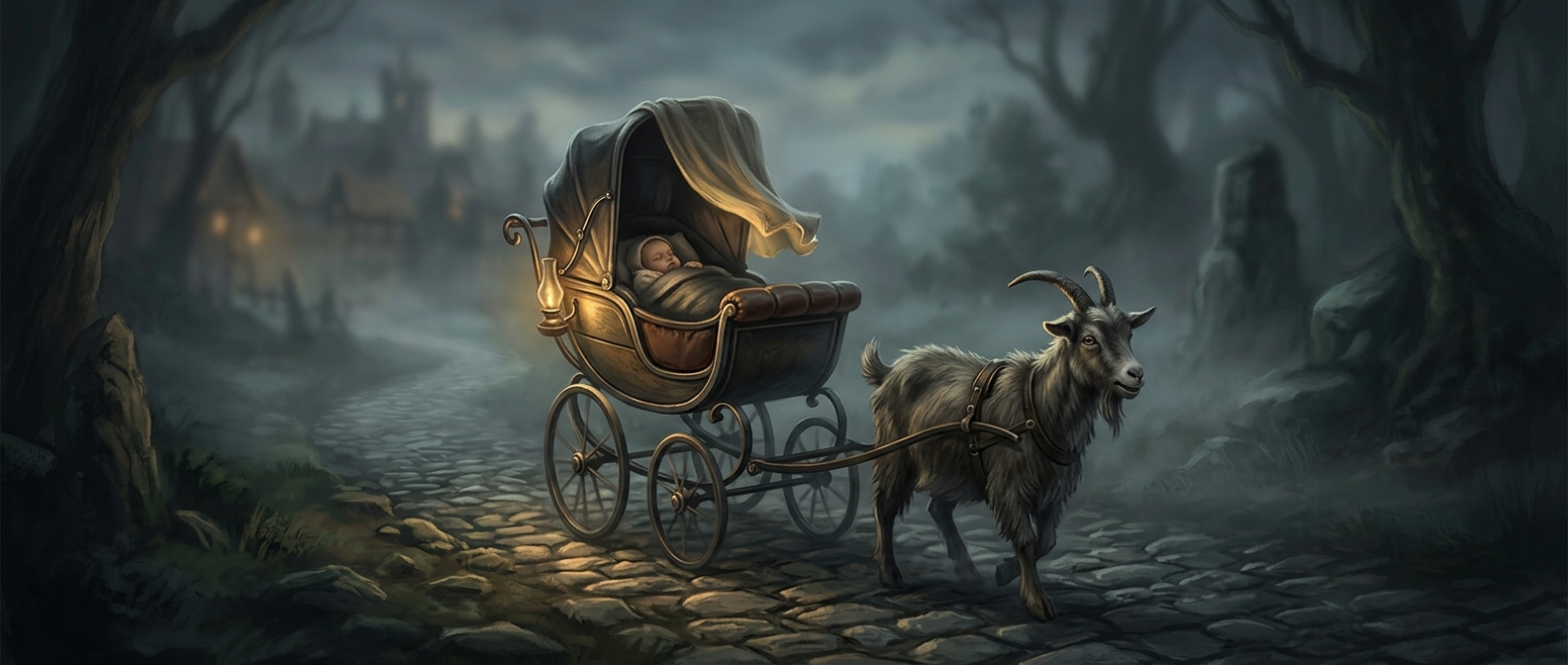
In 1733, William Kent designed an ornate, shell-shaped carriage for the children of the Duke of Devonshire. Rather than being pushed by an adult, it was drawn by a small goat around the family’s estate. The arrangement made a child’s ride depend on an animal—and on having a private landscape where that animal could pull a carriage safely.
Kent was known as a designer and architect, and the carriage reflects a world in which children of wealthy families could have transport made to suit their surroundings. Its shell-like form made the vehicle a decorative object as well as a means of getting a child around. The available account does not specify its steering or braking, so it is best understood as a particular estate carriage, not as a direct blueprint for today’s stroller.
An unusual answer to a practical problem
The underlying need was familiar: move a small child while an adult walks alongside. The solution was not yet the lightweight, hand-pushed stroller familiar now, but a miniature carriage with animal power. That choice tied the ride to the estate’s open paths and to the care needed to manage a goat; it would have been far less convenient in crowded streets or tight indoor spaces.
The memorable detail is also the revealing one: early child transport could be shaped by the resources of a household, not by a standard design for every family. For the Duke of Devonshire’s children, a walk across the estate could begin with a goat in harness.