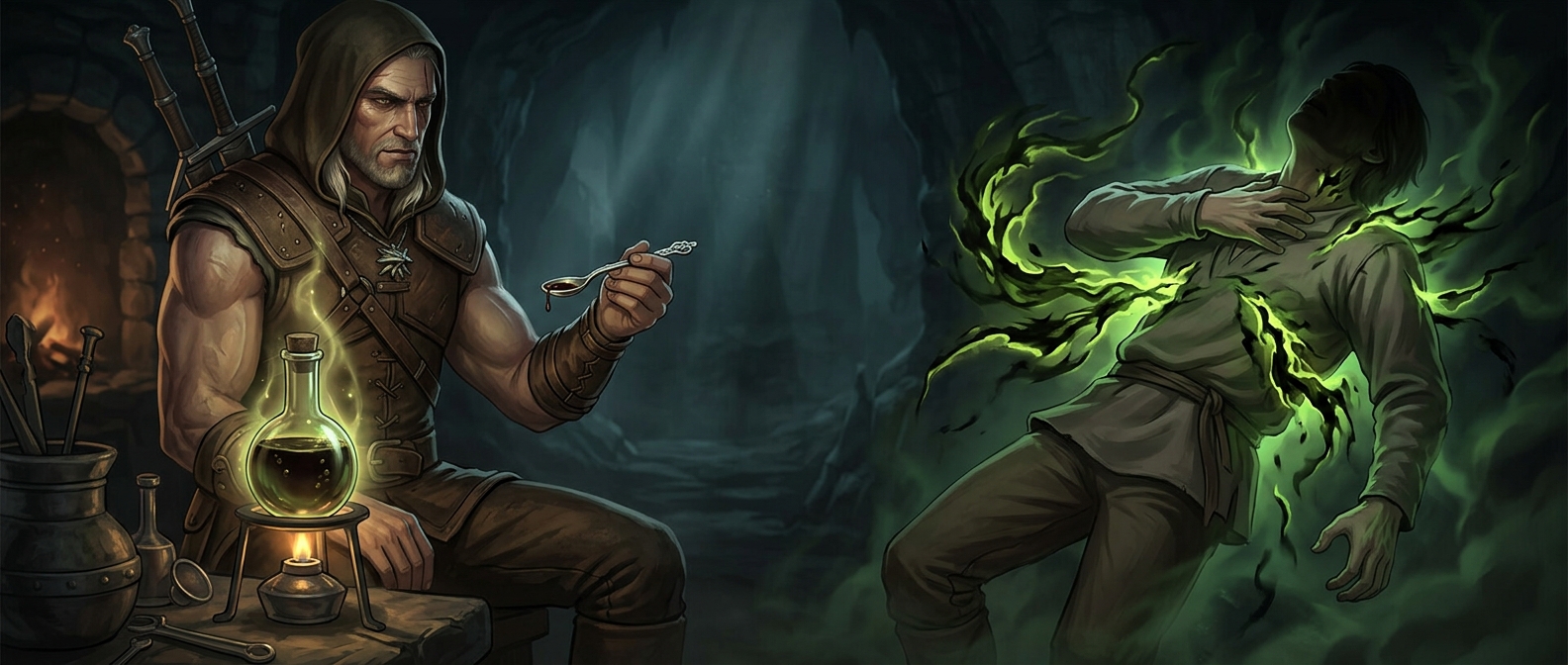
A potion is more than a health bar refill
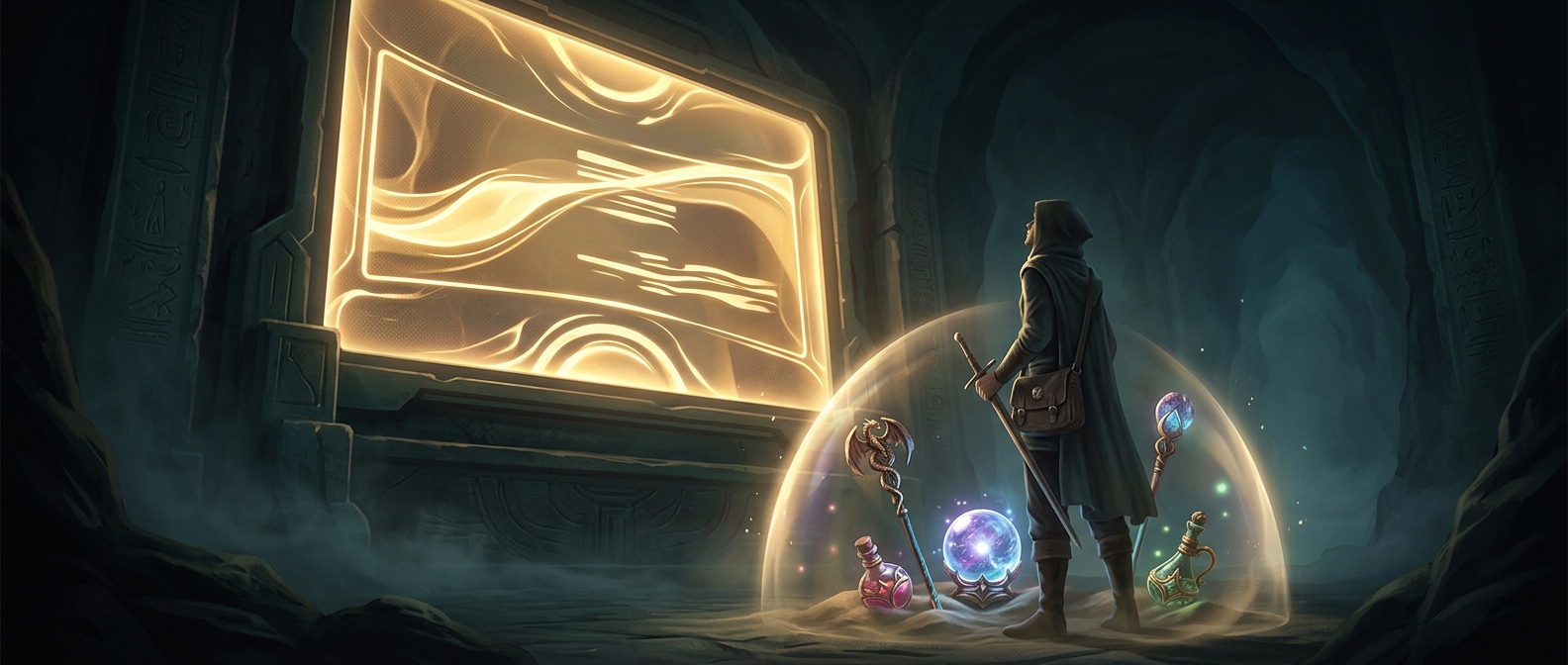
A powerful healing item carries an invisible price: using it now means it will not be available later. The current fight is visible, but the future is not. A player can see the enemy’s next attack; they cannot know whether the next room contains a harder boss, a long stretch without supplies, or a chance to restock. That imbalance makes saving feel safer than spending, even when the present danger is immediate.
Uncertainty turns inventory into insurance
Players often judge a potion not only by how much health it restores, but by what it might prevent later. If a game makes rare items difficult to replace, each one becomes a small reserve against an unknown setback. The value of that reserve rises when the player is already close to losing, because a sudden mistake could make the item seem essential—just not necessarily essential yet.
This can produce a frustrating loop: the player takes damage, considers using the potion, then waits for a clearer sign that it is truly necessary. But the clearer sign may arrive as a defeat. The choice is not simply “heal or don’t”; it is a bet about which danger deserves the resource more.
How game design can change the choice
Designers can make spending feel less risky by letting players replenish items regularly, placing supplies before major encounters, or making healing items plentiful. Some games instead limit carrying capacity, encouraging players to use what they have rather than leave it unused. These choices shape the rhythm of play: scarcity rewards caution, while reliable resupply makes experimentation easier.
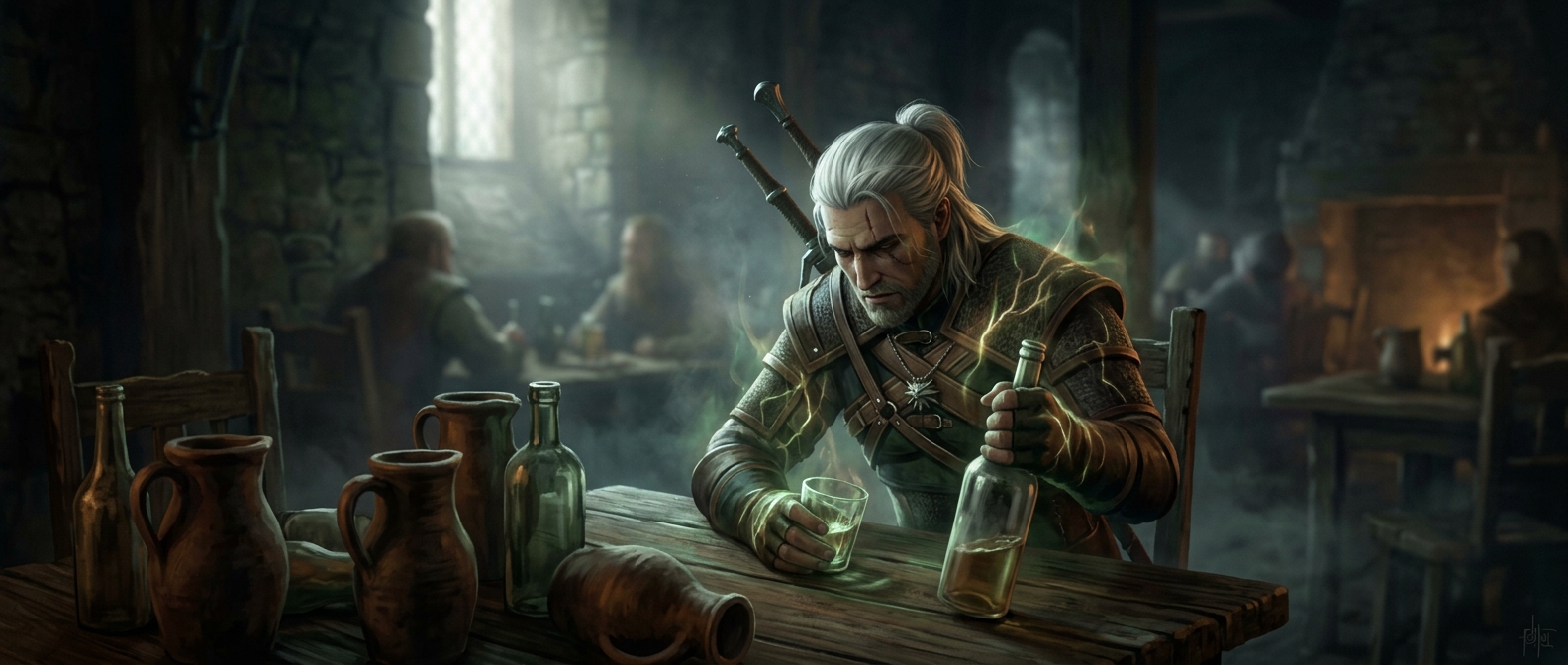
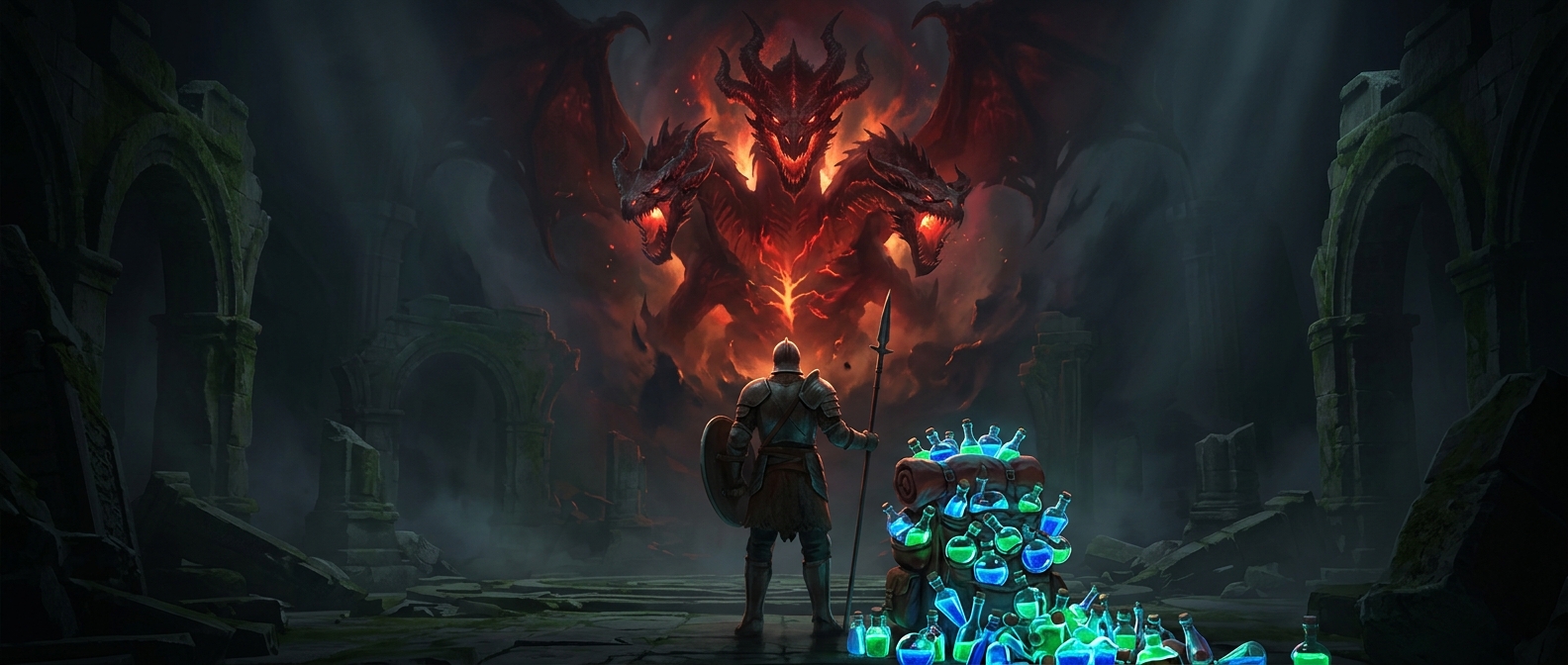
The telltale result is an inventory full of powerful items at the end of an adventure. The player preserved them for the perfect emergency—and the game never made it obvious when that emergency had arrived.