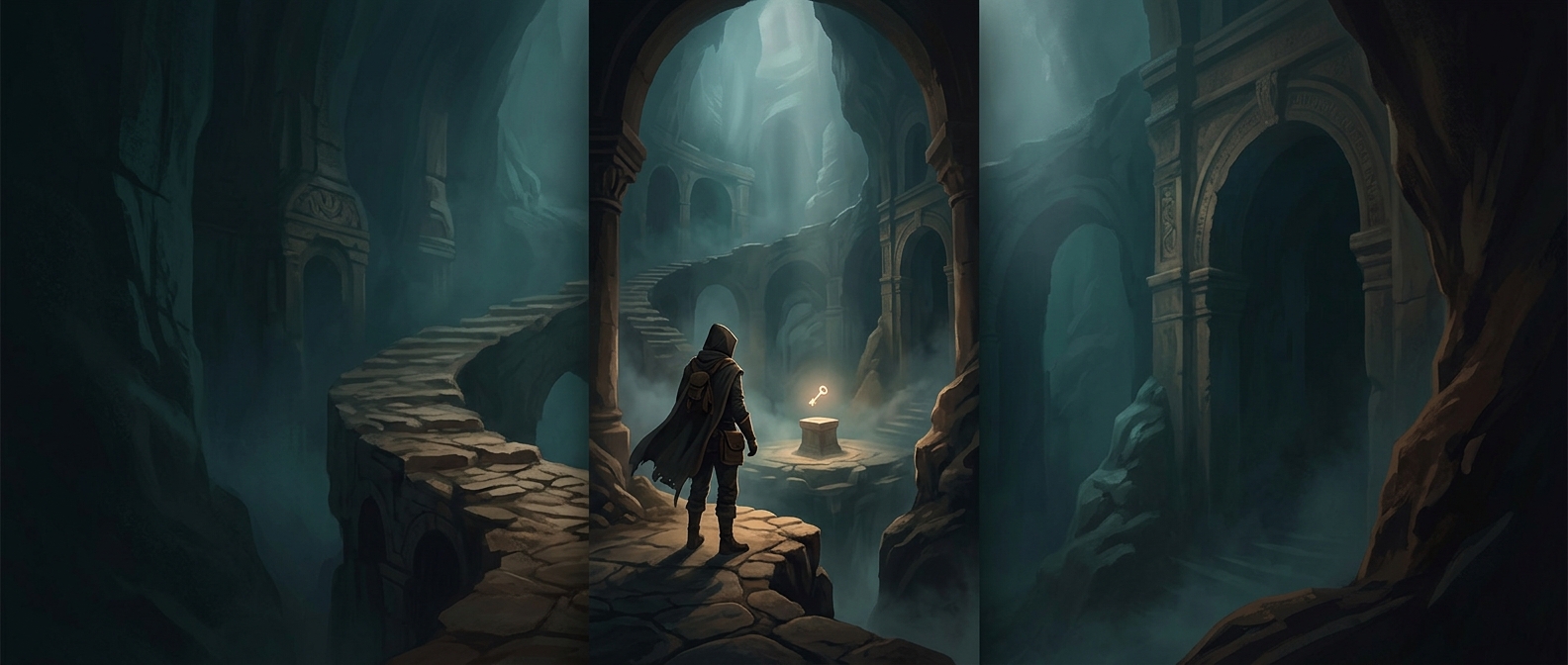
Why a Shop Key Might Be Miles from the Shop
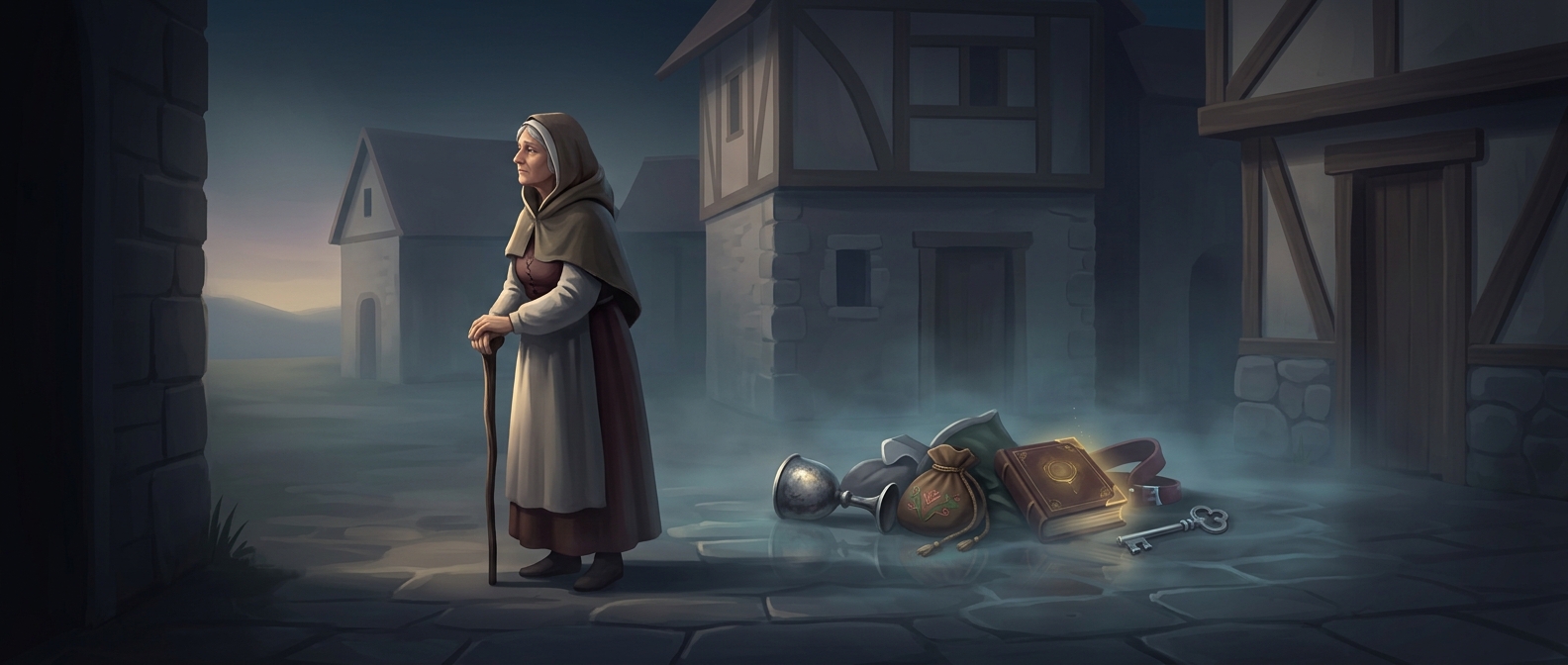
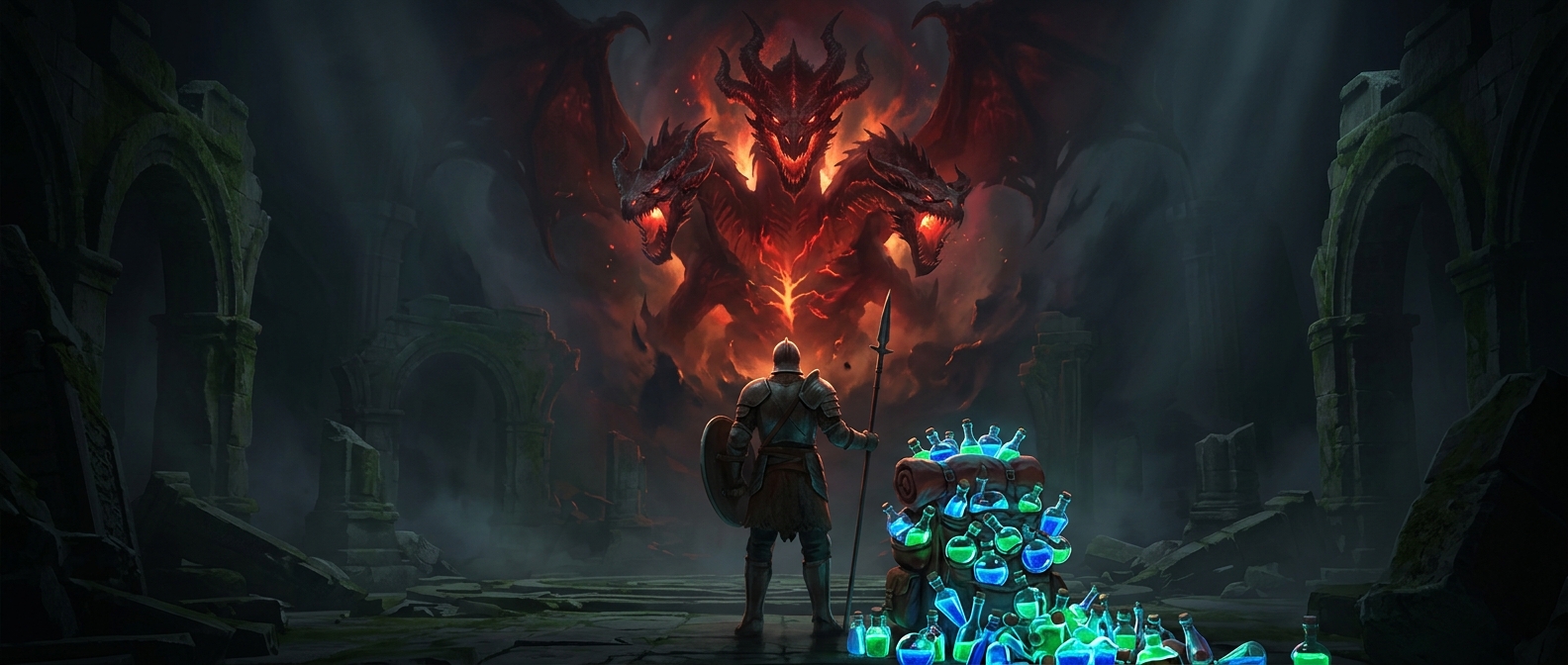
In many adventure games, a key is less a believable piece of property than a progression gate: a way for designers to control when a player can enter a room, use a service, or reach the next part of the story. Placing it in a dangerous dungeon turns a small errand into a goal that can carry the player across several areas.
The distance can make the world feel connected. A shop in one town may depend on a threat elsewhere being cleared, or its key may be tucked into a dungeon because that is where the game’s challenges and rewards are concentrated. The explanation may be thin inside the fiction; the design function is clear. The player has a reason to travel, fight, and return.
The Detour Is Part of the Reward
A faraway key also lets the game pace its rewards. The shop can be visible early, giving the player a destination to remember, while the key remains out of reach until they have gained skills or equipment. When they finally come back, opening the door feels like a payoff for the journey—not just the pickup of a metal object.
That structure creates a useful loop: spot a locked place, discover where access comes from, overcome the obstacle, then return with a new option. The shop may offer better gear or useful supplies, so the detour can make later challenges easier. The key’s real value is the route and progression it unlocks.
When the placement feels arbitrary, the fiction can strain: why would a local business keep its key in a monster-filled abyss? But games often prioritize a satisfying sequence of exploration and reward over realistic key management. The absurdly distant key is memorable precisely because an ordinary errand has become an expedition.