The story is hidden in the building’s infrastructure
When a worker’s final recording is tucked into a distant air vent, finding it becomes more than a matter of following the main route. Vents belong to the facility’s hidden systems: they run through walls and ceilings, away from the rooms players naturally focus on. That makes the recordings easy to overlook, even when the player is nearby.
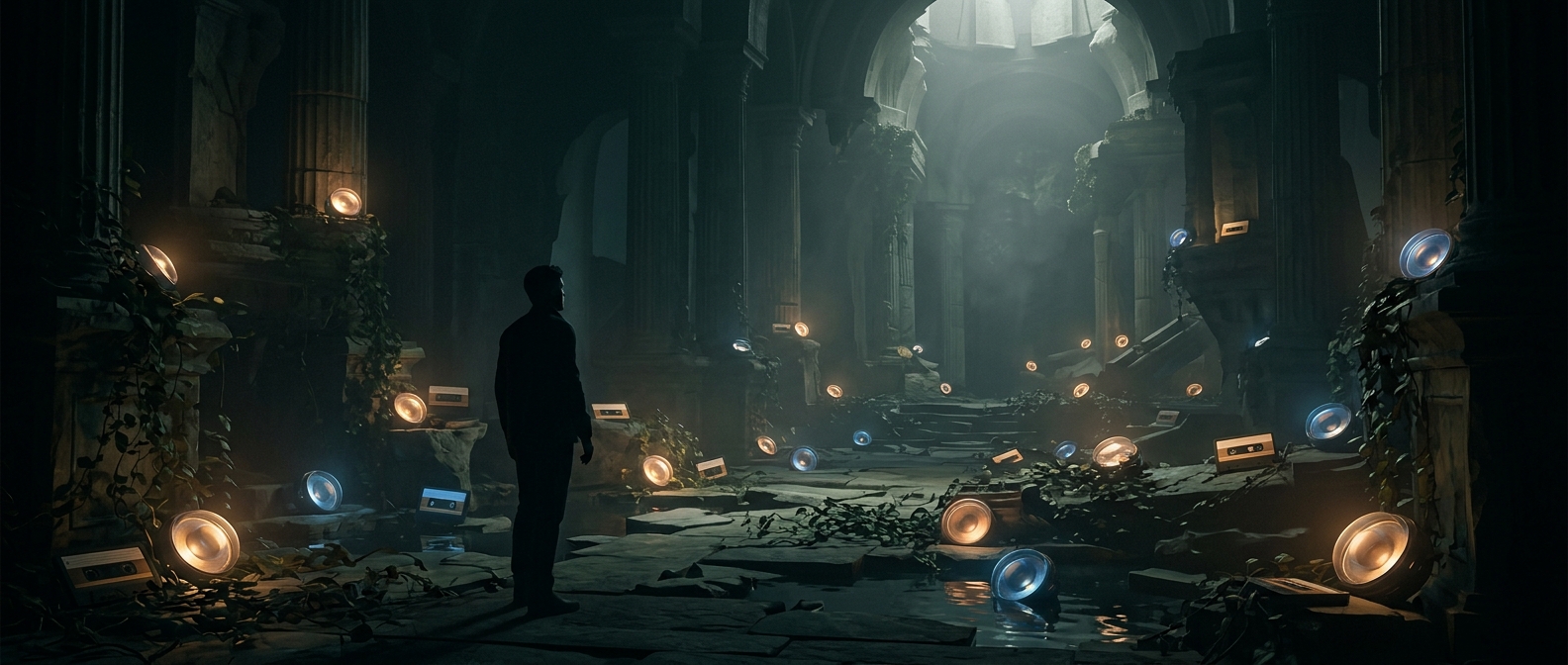
The placement also changes how the diaries reach the audience. Rather than delivering the workers’ accounts in a neat sequence, the game leaves players to piece together what happened from recordings they may discover out of order—or miss entirely. The building itself becomes part of the search, with its service spaces holding pieces of the story that ordinary paths do not reveal.
Discovery has a cost
This kind of scattering can make the diaries feel like remnants left behind in a real workplace, but it asks players to trade momentum for thoroughness. Someone moving quickly through the facility may finish without hearing every account; someone who checks its less obvious spaces can uncover more of the workers’ perspective.
The result is a narrative with gaps by design of its placement: the recordings are not simply available where the story needs them. Some are waiting in the very places built to carry air, not people.