The Unsettling Move: Giving Up a Valuable Piece
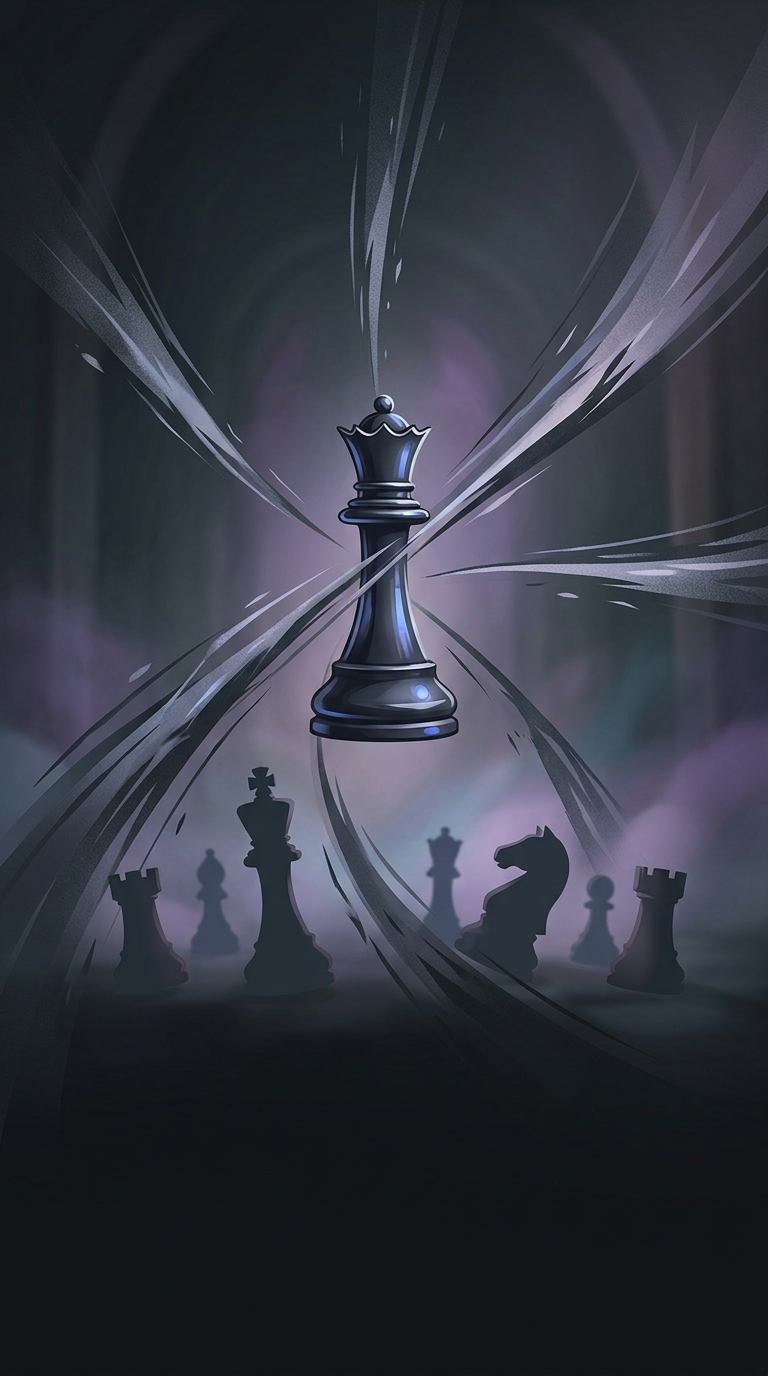
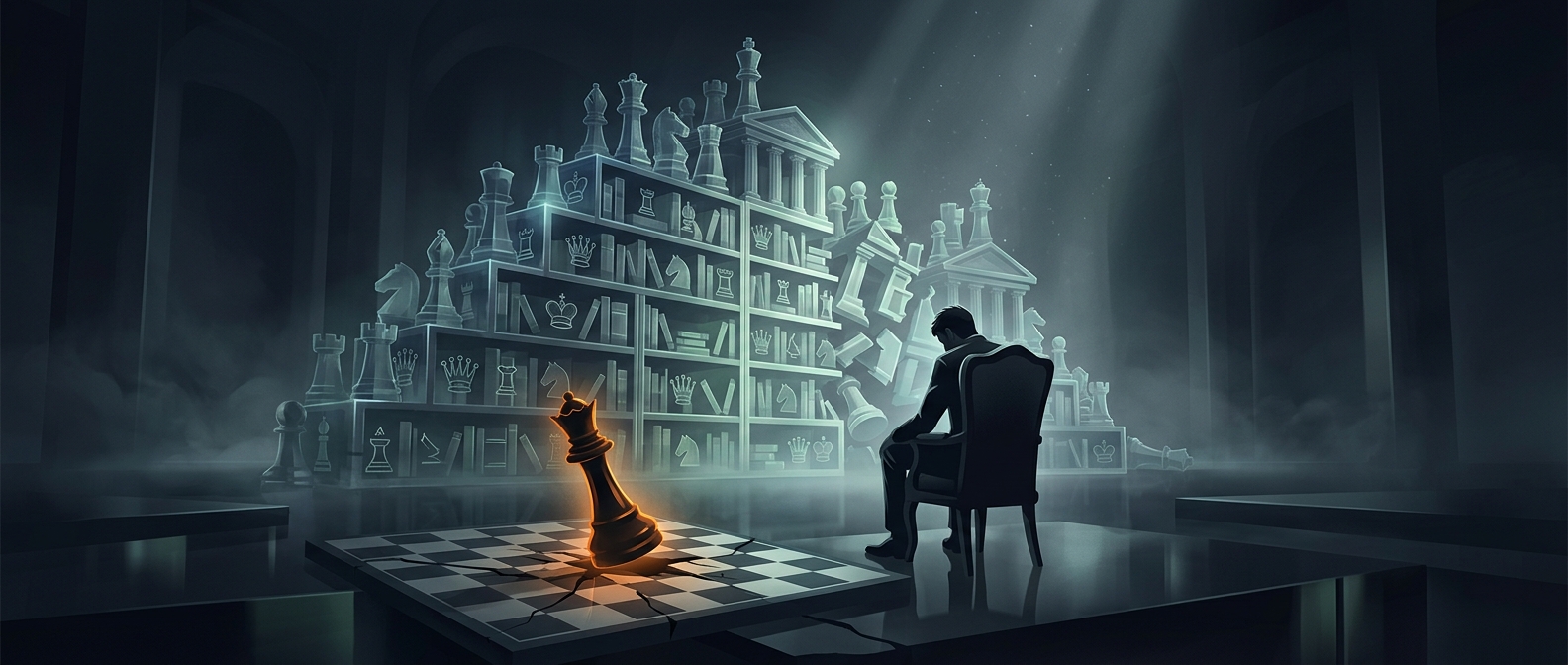
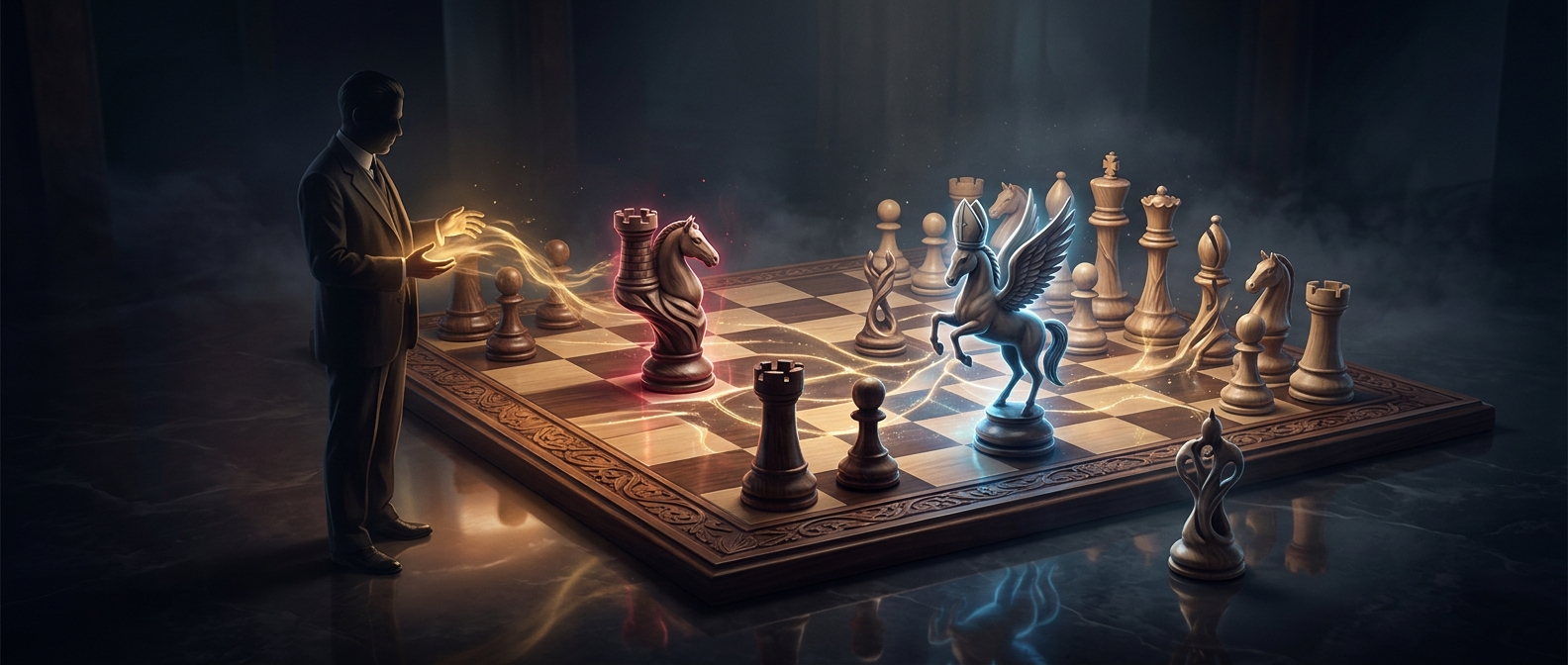
After learning strong human chess strategies, an AI could still make a move that looked like a mistake: it might willingly sacrifice a major piece, even its queen. The unsettling part was not that the machine had stopped understanding chess. It was that its calculation could favor a move that humans instinctively wanted to avoid.
Why the Sacrifice Can Make Sense
Chess pieces have familiar point values, but those values are only rough guides. A queen is powerful; it is not automatically worth more than every advantage on the board. An AI evaluates possible positions by searching through chains of moves and estimating which side is more likely to win. If losing the queen creates a forced checkmate, traps the opposing king, or wins decisive material afterward, the sacrifice may be the best route to victory.
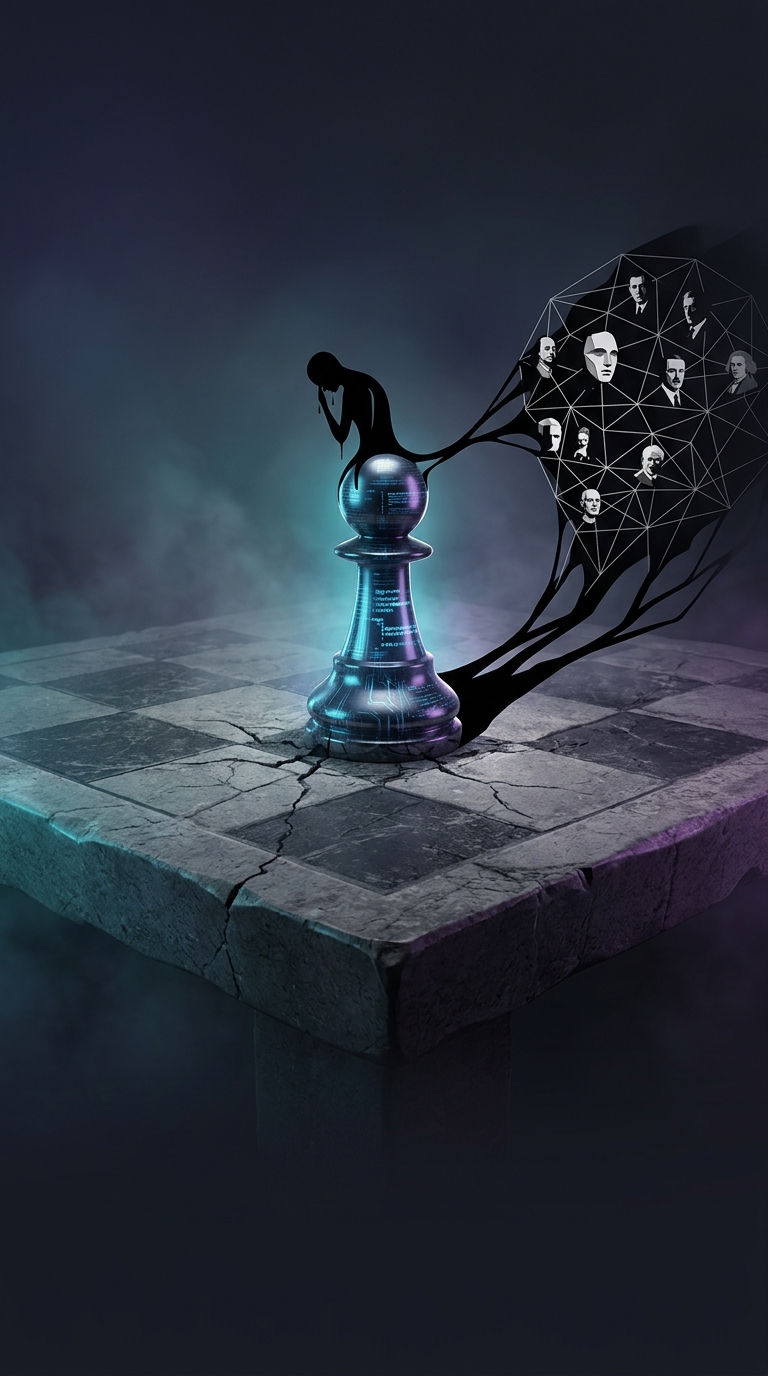
That calculation can produce moves that seem reckless because the program is not following a human’s sense of what a “safe” game should look like. It is comparing outcomes, not protecting a piece out of habit or pride.
The Human Reaction
For a person watching, a queen sacrifice is dramatic because it appears to throw away the most valuable tool on the board. The AI’s move can feel eerie precisely because it is deliberate: what looks like a blunder may be the first step in a line of play the machine has already calculated.
The practical lesson is that chess strength cannot be judged by whether a move looks sensible at first glance. Sometimes the machine’s most alarming habit is also its clearest sign that it sees a winning position where a human sees a disaster.