Why a circuit needs a bottleneck
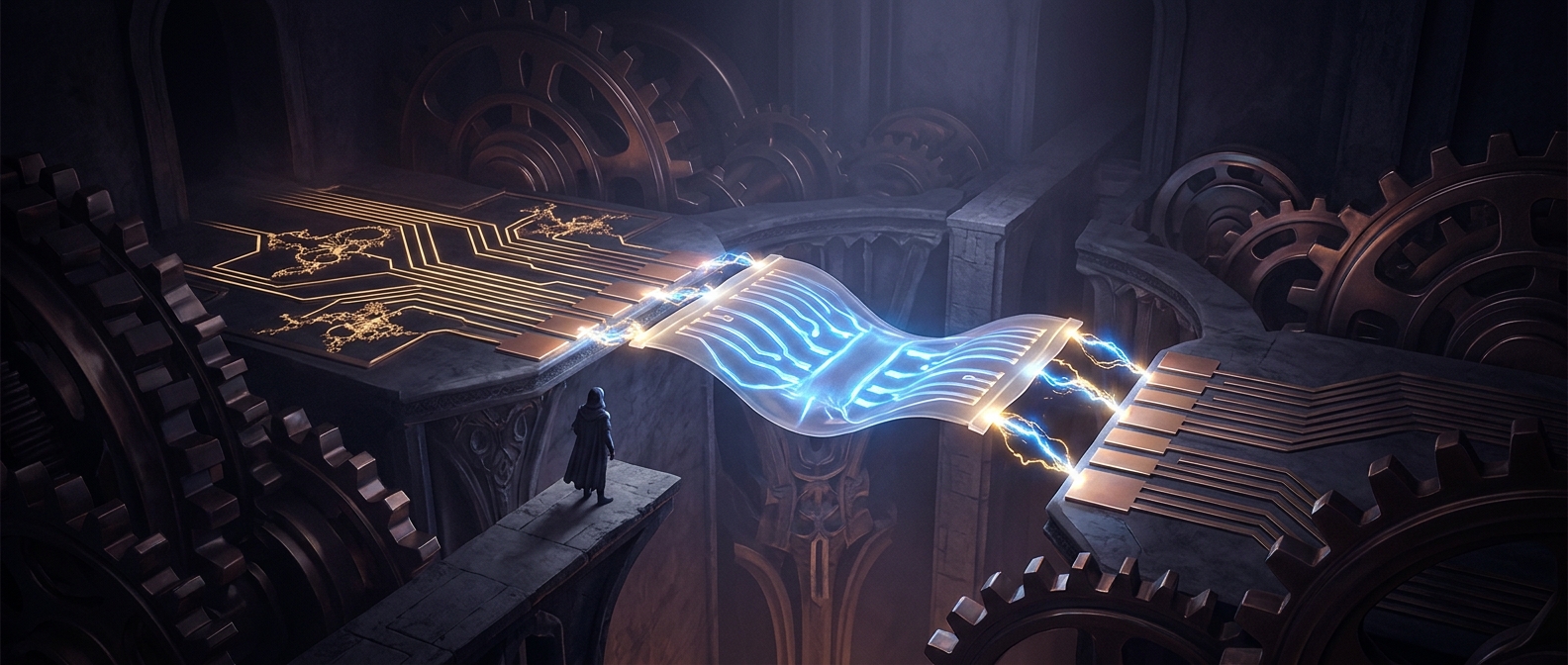
A power source does not automatically deliver the right current to every component. Without something to control the flow, a sensitive part such as an LED could draw more current than it can safely handle. A resistor provides that control by making it harder for electric charge to move through a circuit.
That opposition is called resistance. In a simple circuit, the relationship is captured by Ohm’s law: current depends on voltage divided by resistance. With the voltage held steady, adding resistance reduces current. A resistor can therefore help set an LED’s brightness or keep a circuit’s current within a component’s safe range.
Where the energy goes
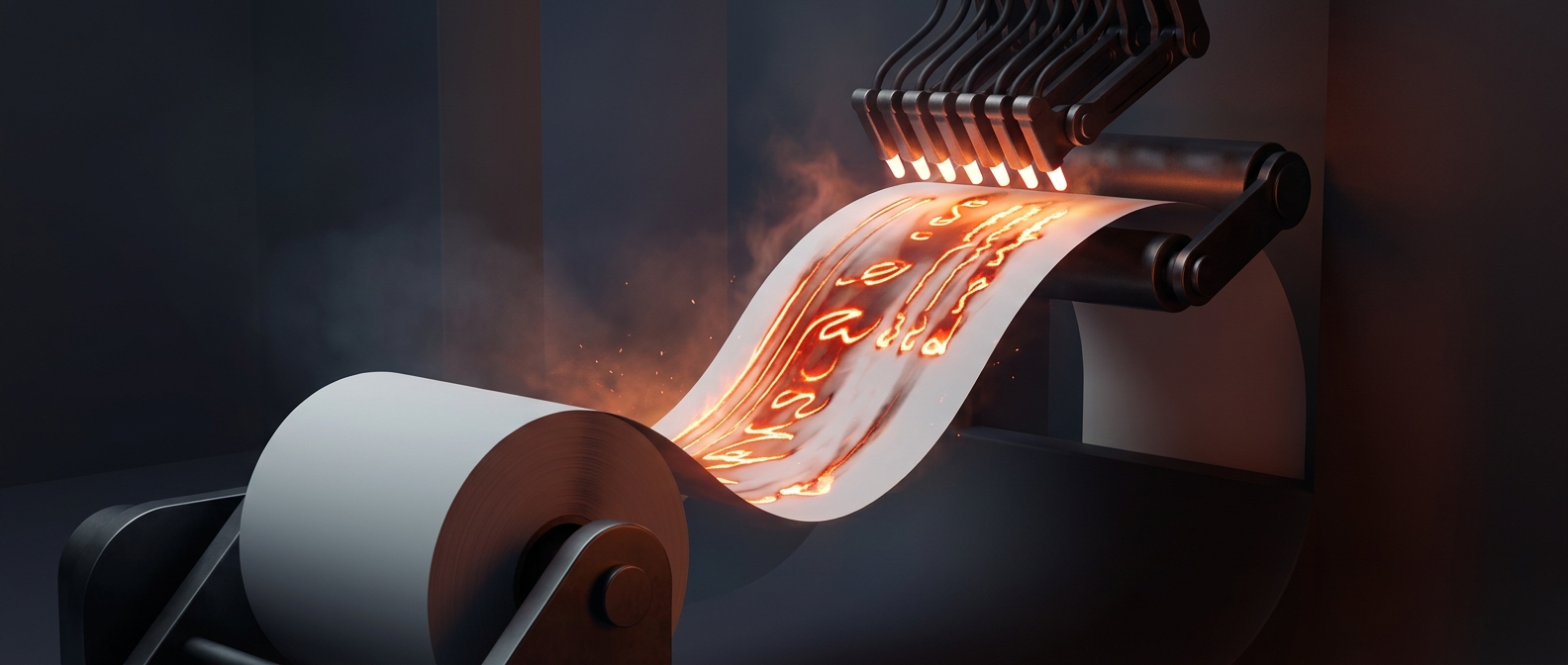
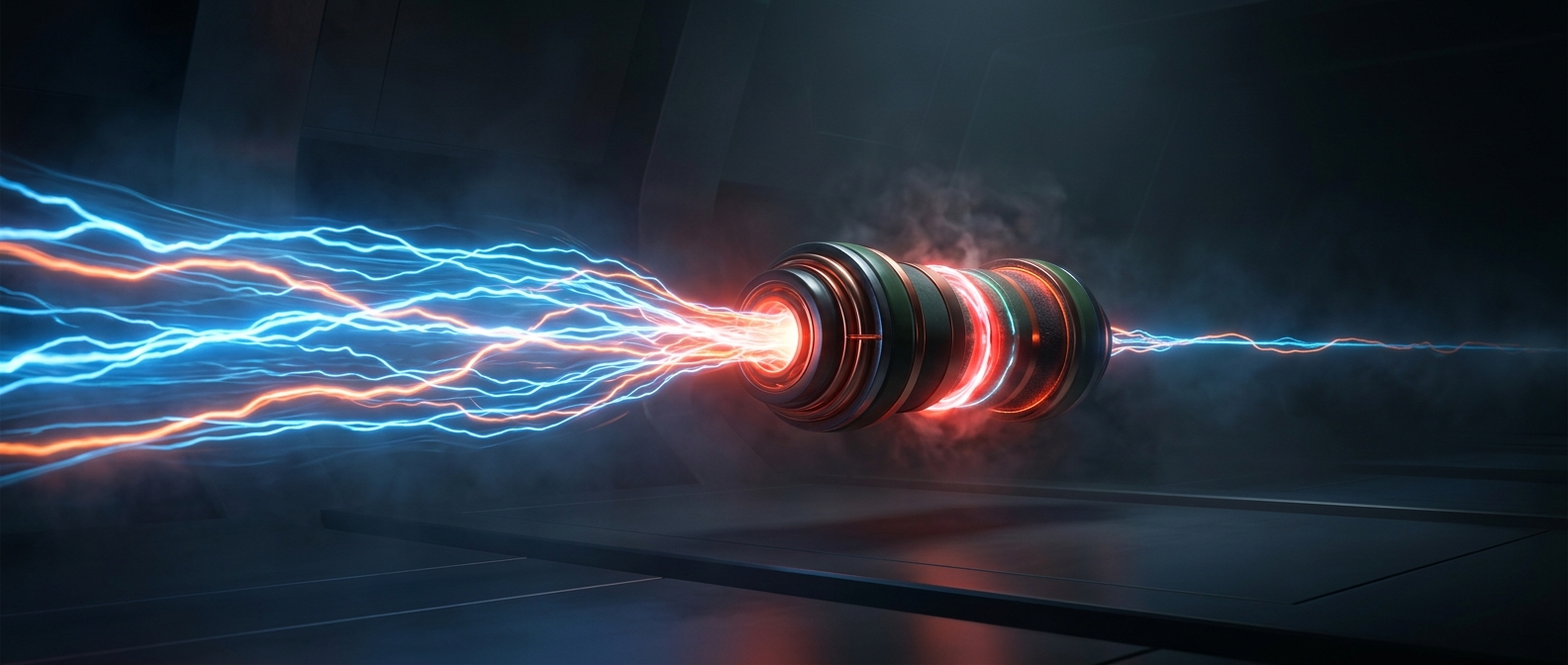
The resistor does not make excess electrical energy disappear. As current passes through it, the resistor converts some electrical energy into heat. That is why resistors have power ratings: if too much current flows, the heat can damage the part. Designers choose resistance and power capacity to suit the job.
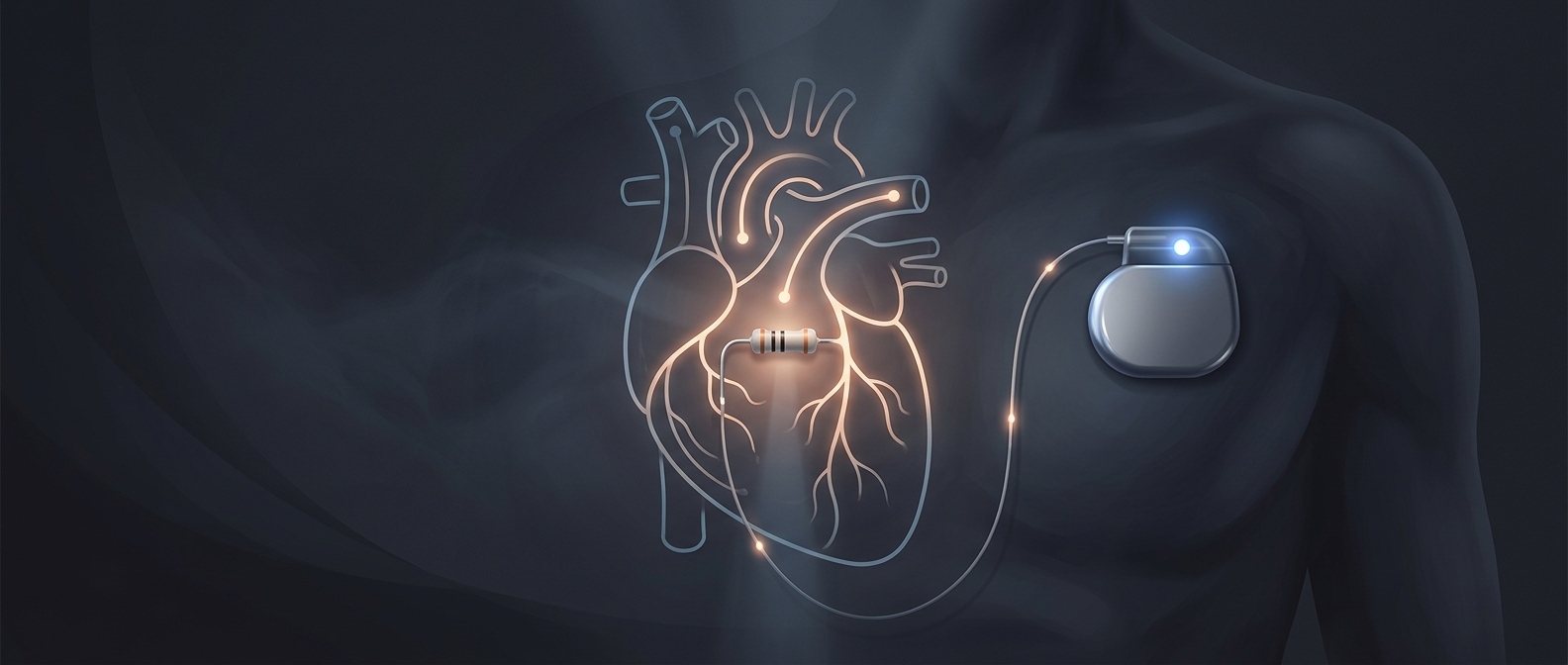
Resistors also shape signals, not just power. Paired with capacitors, they can affect how quickly a circuit responds to changing voltage—for example, slowing a transition or filtering unwanted fluctuations. In that role, the resistor is less like a simple stop sign and more like a precisely chosen restriction in a larger system.
A small part with a specific job
A resistor does not regulate every circuit on its own, and real circuits may use other components to control current more dynamically. Its value is that it provides a predictable limit or adjustment with very little complexity. By choosing where charge can flow easily and where it cannot, designers protect delicate components and make a circuit behave as intended.