The poker hand tied to Wild Bill Hickok’s death
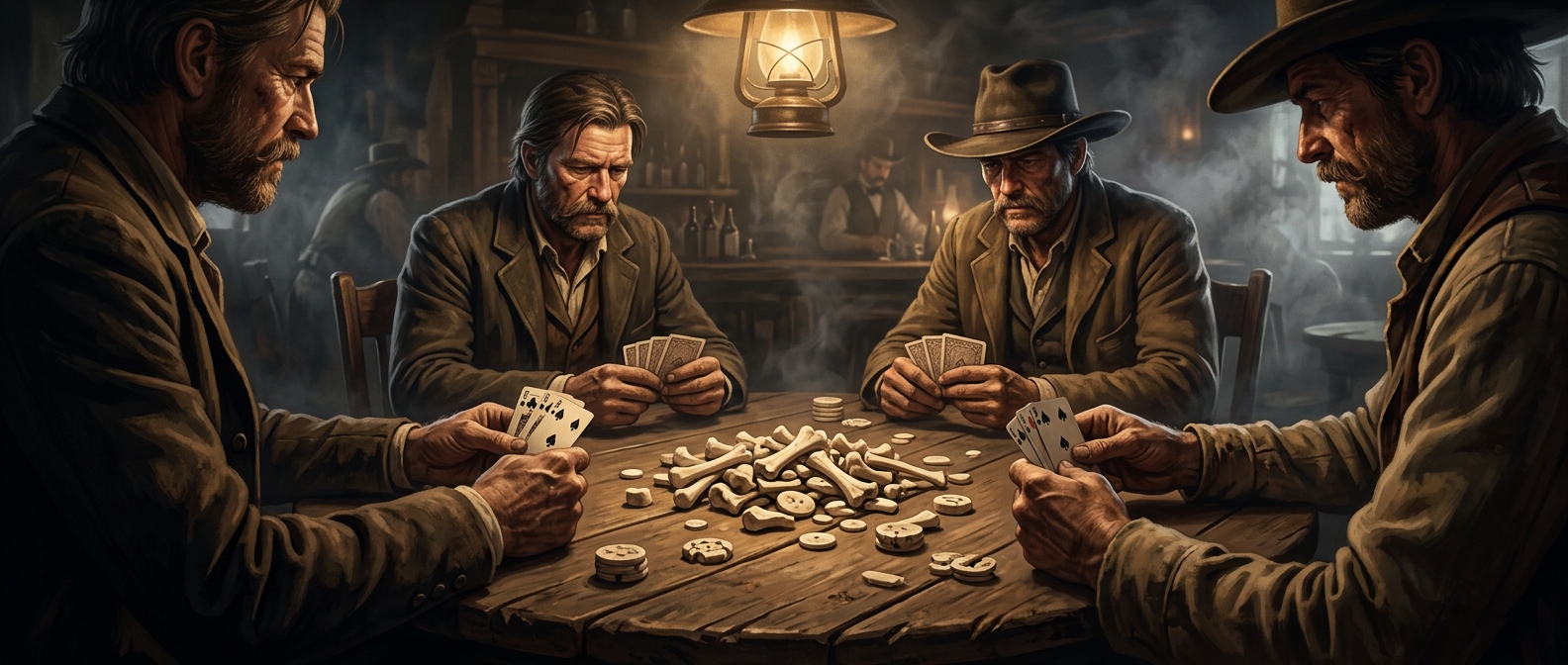
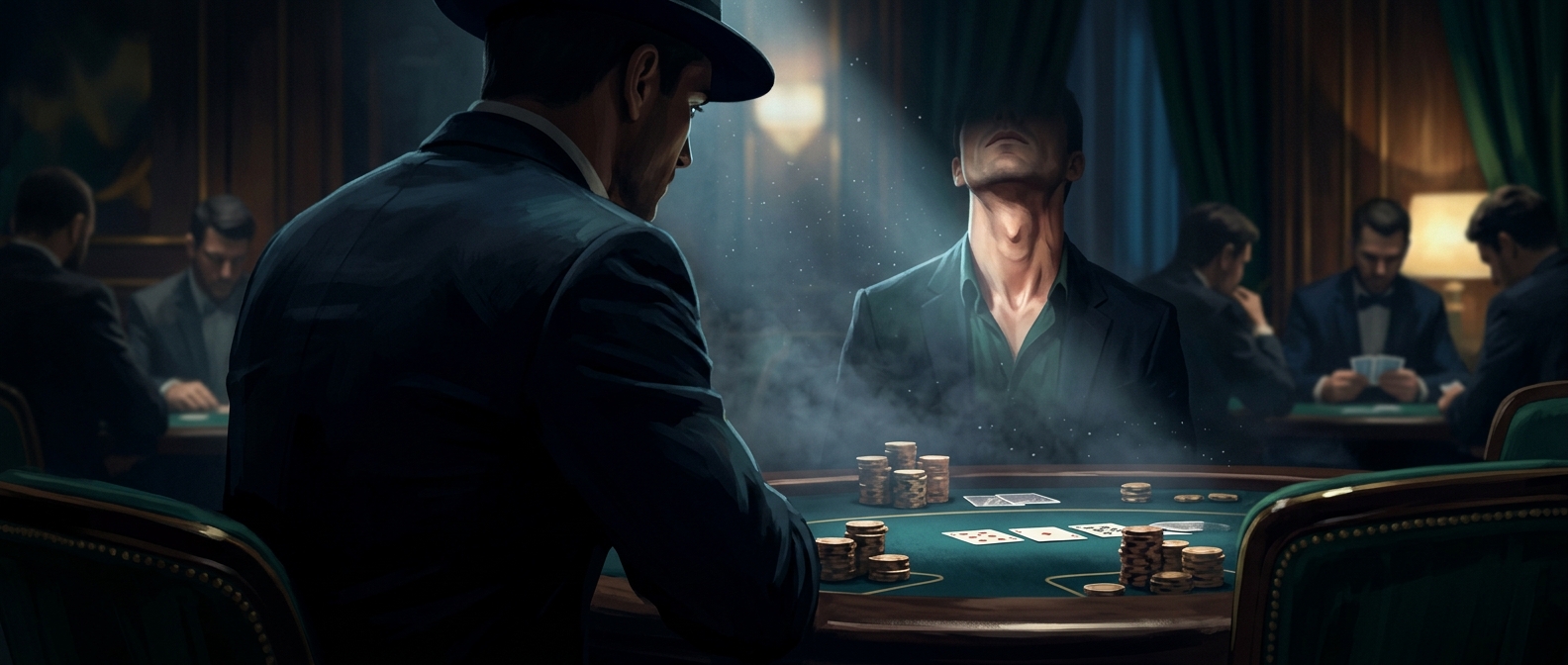
The name points to a killing in Deadwood, in what is now South Dakota. On August 2, 1876, frontier lawman and gunfighter James Butler “Wild Bill” Hickok was shot from behind while playing poker in a saloon. The shooter, Jack McCall, approached while Hickok was seated with his back to the room and fired at close range.
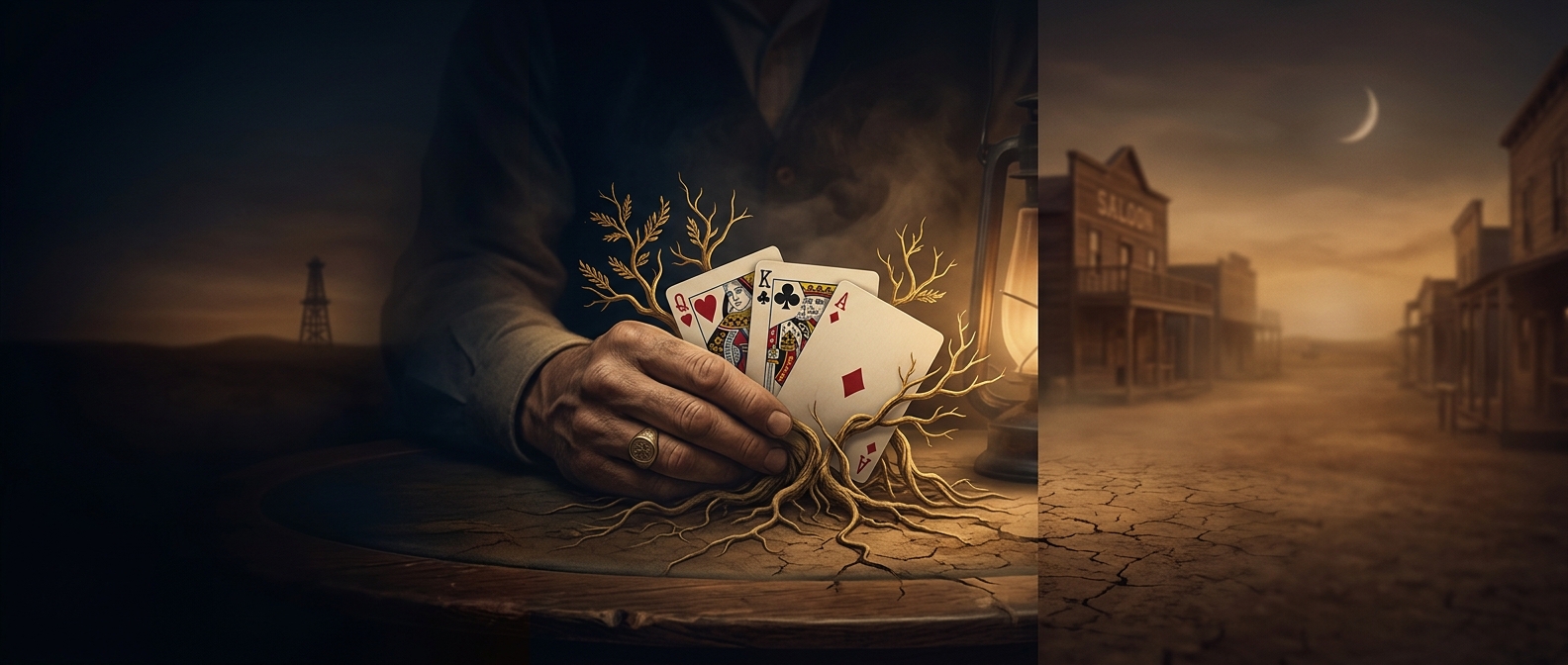
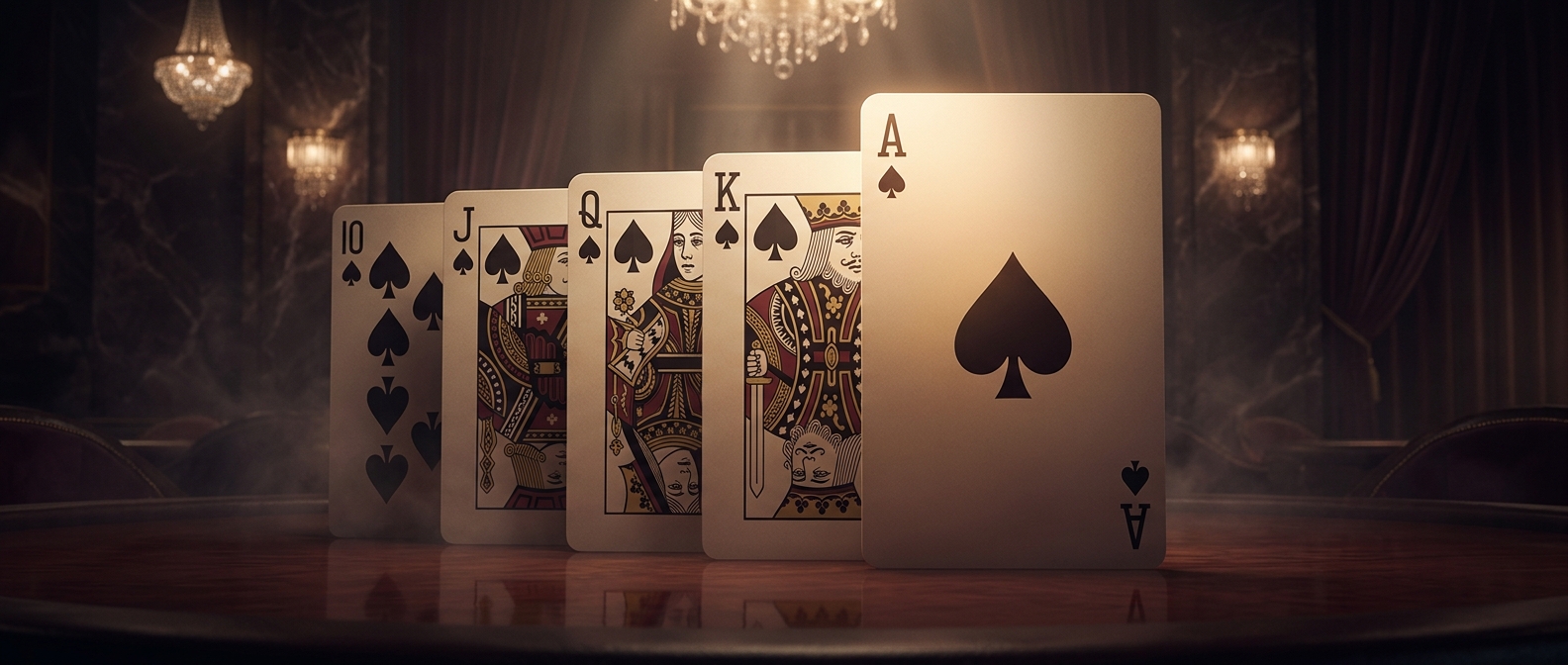
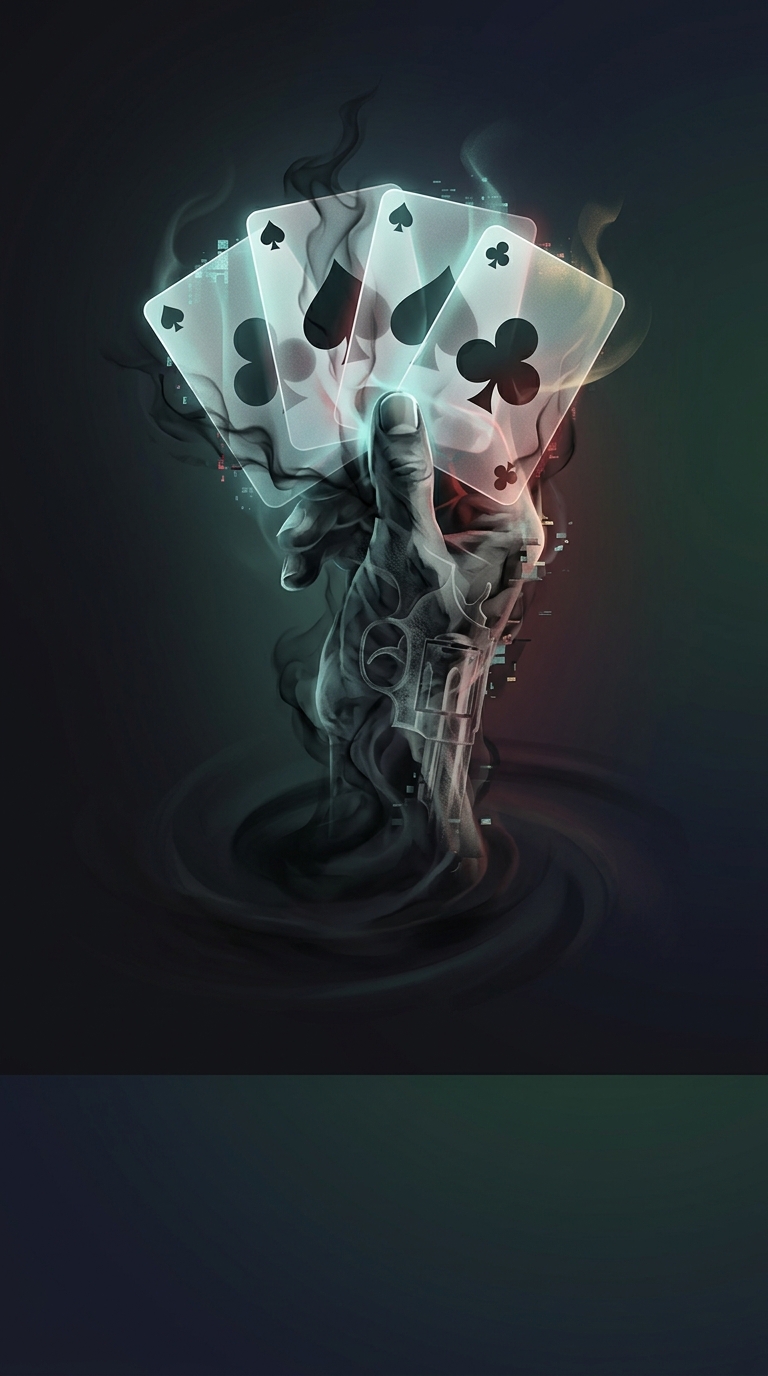
The story that gave the hand its name says Hickok was holding two black aces and two black eights when he died. Those four cards became known as the Dead Man’s Hand; the identity of the fifth card is often left unspecified.
What the cards can—and can’t—tell us
The image is vivid: a player killed mid-game, his cards left on the table. But the precise hand is part of the story’s legend, not a securely documented detail of the shooting. Accounts of the cards vary, and there is no firm contemporary record establishing exactly what Hickok held. The familiar two-pair combination took hold in later retellings.
That uncertainty has not weakened the hand’s reputation. In poker, a pair of aces and a pair of eights is not inherently a death omen; its meaning comes from the tale attached to it. The chilling detail is less the strength of the cards than the scene they evoke: an ordinary game interrupted so suddenly that the hand itself became a memorial.