The people behind the moderation queue
Violent posts are screened by a combination of automated tools and human content moderators. Software can flag likely graphic images or videos, but context is harder to read: a clip might document an attack, report on a conflict, condemn violence, or encourage it. Human reviewers help make those distinctions and apply a platform’s rules.
The work is often organized through queues. A post may be flagged by a detection system or reported by a user, then sent to reviewers who decide whether it should stay up, be restricted, or be removed. Some platforms use outside contractors as well as in-house staff, so the person making a decision may work for a vendor rather than for the social network whose rules they are applying.
Why the job can be traumatic
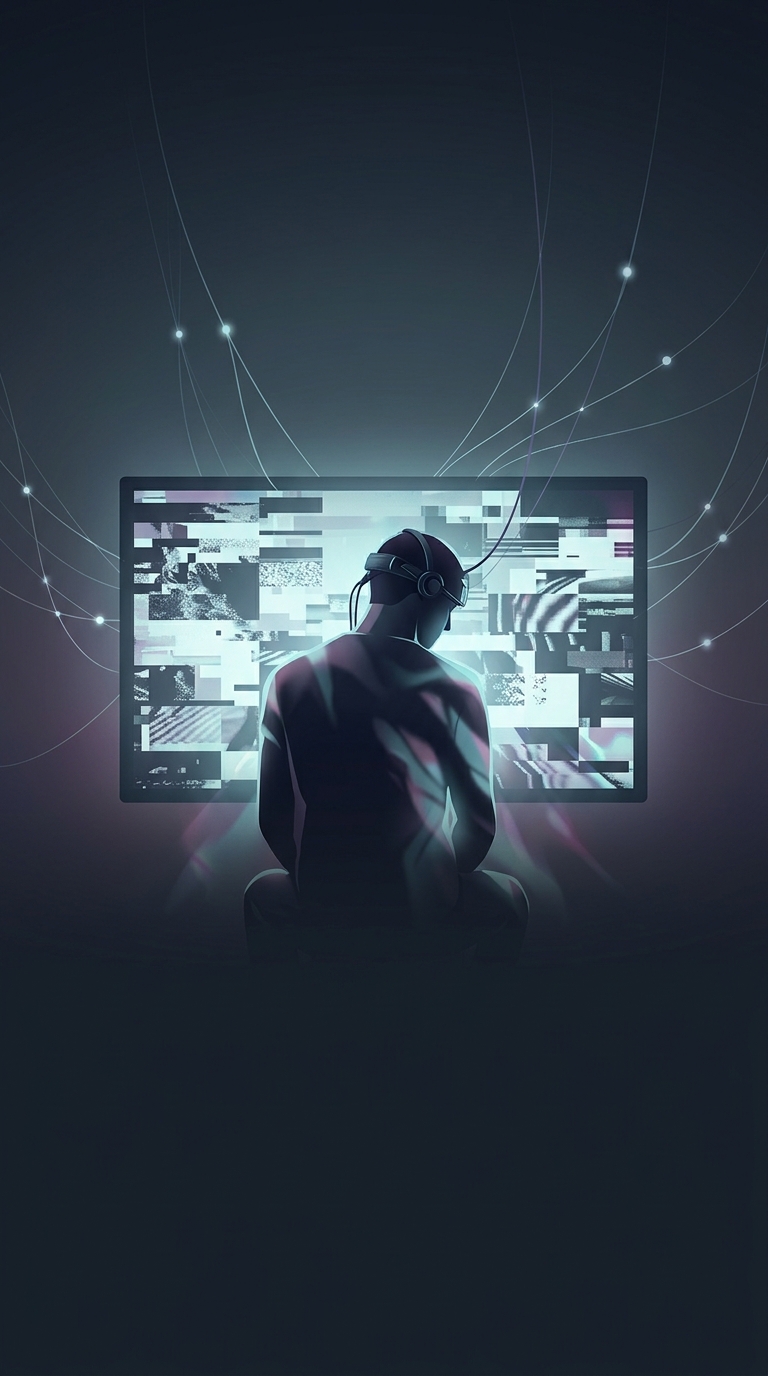
Reviewers may encounter disturbing material repeatedly, often under time pressure. Seeing a single violent clip is different from having to assess a stream of graphic content as a routine part of work: repetition can make the material difficult to leave behind. Employers may use measures such as limits on exposure, wellness support, or systems that blur images, but safeguards and working conditions vary.
Automation reduces the amount of material people need to inspect, but it does not remove the human role. A classifier can recognize patterns in an image; it cannot reliably determine every reason a post was shared or whether it serves a public-interest purpose. The final judgment often falls to people precisely where context matters most.
The hidden tradeoff
Platforms need moderation at enormous scale, yet each decision can affect someone’s safety, speech, or ability to document events. The queue is therefore not just a technical filter: it is a workplace where people carry out policy decisions while dealing with material most users never have to see.