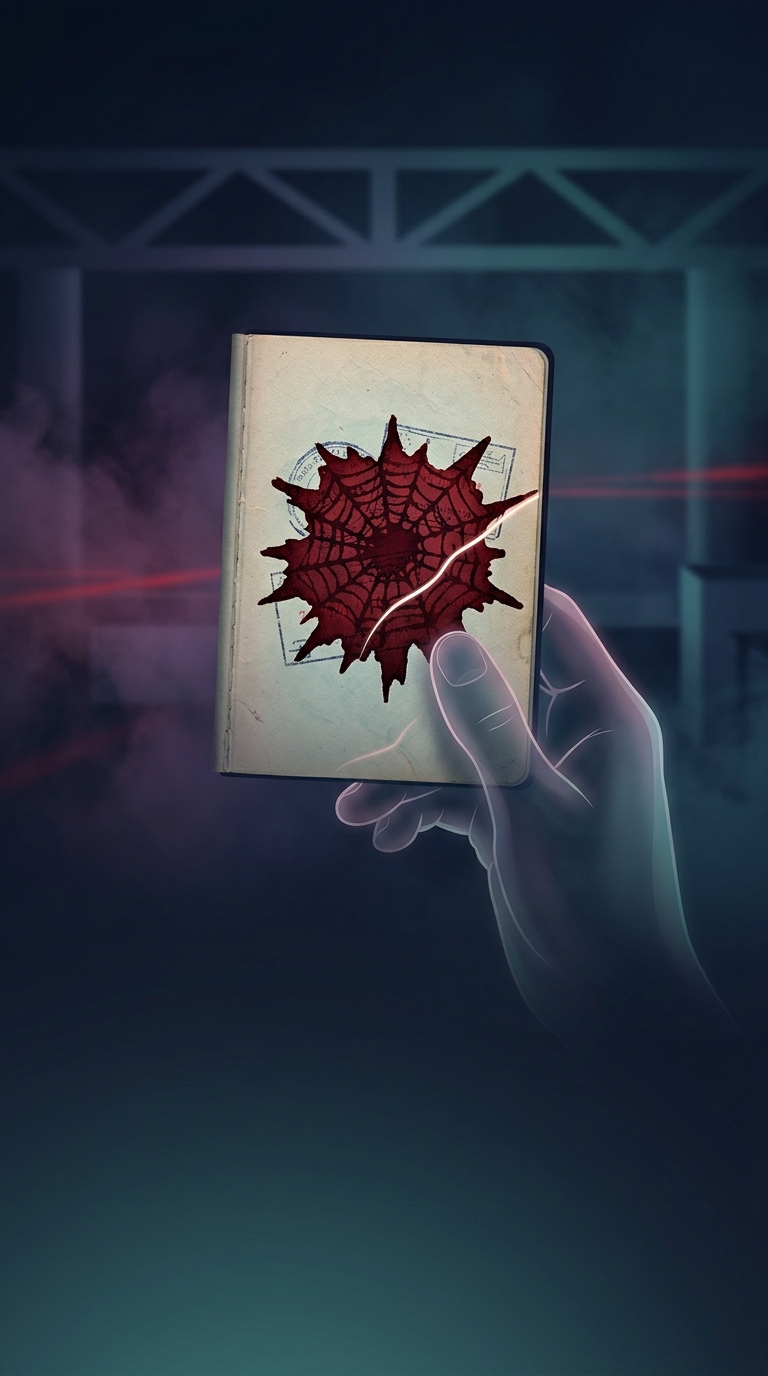
When One Passport Stamp Lands on Another
A passport stamp is a small ink record of a border crossing, often showing a date and the place or authority that issued it. If a new stamp overlaps an older one, the problem is practical: important details may become harder to read. A later officer—or someone reviewing the passport for a visa or travel application—may have trouble distinguishing which marks belong to which trip.
That can mean extra questions or a closer check of the traveler’s records. It does not automatically make the passport invalid. Border agencies can often consult electronic entry and exit records, and a smudged or partly covered stamp is not the same thing as a deliberately altered document.
Why the Overlap Can Matter
The risk depends on what the ink covers. If it obscures a visa, an entry date, or another mark relevant to a later journey, an officer may need to establish what happened from other records or documents. That can slow a border inspection, especially when a traveler must show where or when a previous trip occurred.
Passport pages are limited, too. Some countries reserve particular pages or require usable space for visas and stamps. An overlap that merely makes an old stamp untidy is different from damage that hides information or leaves too little clear space for a required visa.
What to Do After an Accidental Overstamp
If a border agent has just made the mistake, ask politely whether the office can clarify or correct the record before leaving. Do not try to scrape off ink, write over the stamp, or add your own mark; that can make the page look altered. Keep any relevant travel documents, and check the passport’s condition before the next trip.
The sensible concern is not that one overlapping stamp instantly ruins a passport. It is that an unreadable record can turn a routine question at a later border into a delay—and a clean, legible page helps keep that question from arising.