How one sampler could make a track feel crowded
A sampler turns recorded sound into material that can be replayed, cut up and rearranged. For Liam Howlett, cheap vinyl supplied raw fragments; the sampler made those fragments usable as building blocks. A brief sound could become a repeated rhythm, while changes in timing or pitch could make it feel more forceful or strange.
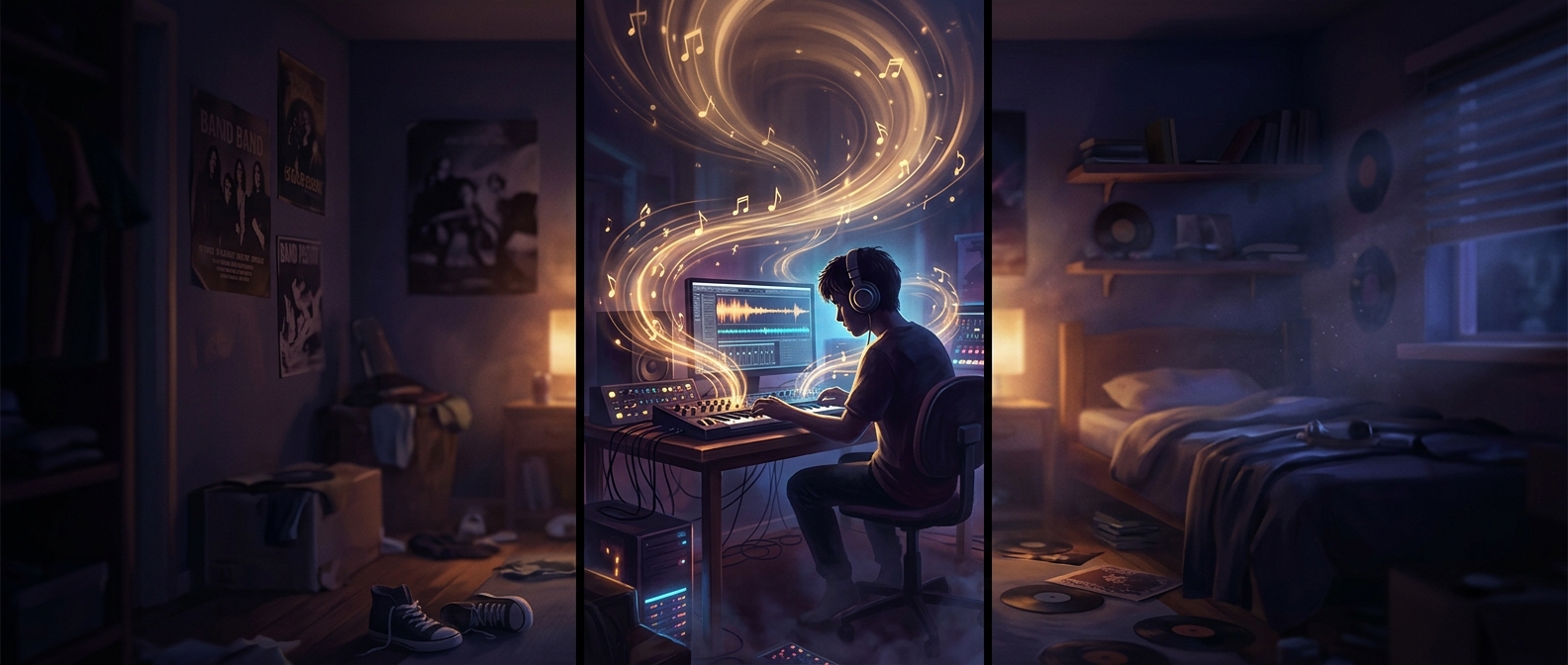
That process helps explain how a bedroom setup could produce a dense result. Density does not require dozens of instruments playing at once: a producer can layer short samples, rhythms and effects until the parts collide. Repetition gives the track a driving pulse; abrupt edits and rough-edged sounds keep it from feeling smooth.
Constraints became part of the sound
Working with one basic sampler meant making choices about which sounds to keep and how to fit them together, rather than simply adding more equipment. Vinyl also offered imperfections and unexpected textures that polished studio recordings might not provide. In Howlett’s hands, those limitations could become creative tools: a narrow set of materials encouraged a distinctive palette and a forceful, abrasive style.
The striking part is the scale mismatch: a small, inexpensive setup could yield music that sounded much larger than the room where it was made. The sampler did not create that impact by itself; the crucial work was selecting, reshaping and arranging the sounds.