How a Straw Can Reduce Front-Tooth Contact
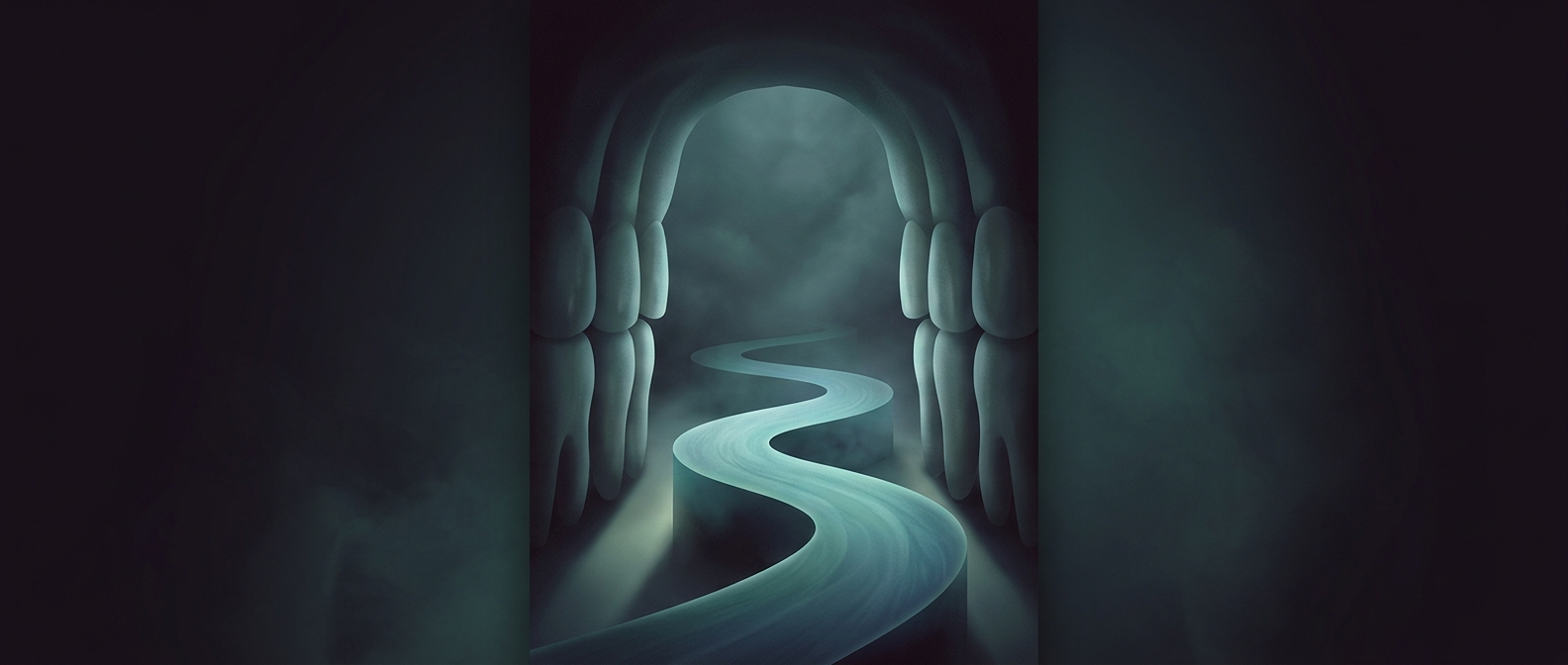
Coffee and tea contain colored compounds that can cling to the thin film covering tooth enamel and contribute to surface stains. A straw changes the drink’s route: when its tip is placed toward the back of the mouth, the liquid can pass behind the front teeth instead of washing directly over them.
That matters most for the front surfaces you see when someone smiles. It is a reduction in direct exposure, not a barrier around the teeth: the drink still enters the mouth, and some can reach the front teeth as it mixes with saliva or moves during swallowing.
The Route Matters More Than the Straw
A straw only helps with this particular pathway if it actually carries the drink past the front teeth. Simply sipping through one does not guarantee that, especially if the straw sits near the front of the mouth. And it cannot prevent staining from every source or remove stain that is already there.
The useful distinction is modest but practical: a well-positioned straw may lessen how much dark drink contacts visible front surfaces, while leaving the rest of the mouth exposed.