Why brushing right after an acidic meal can wear enamel
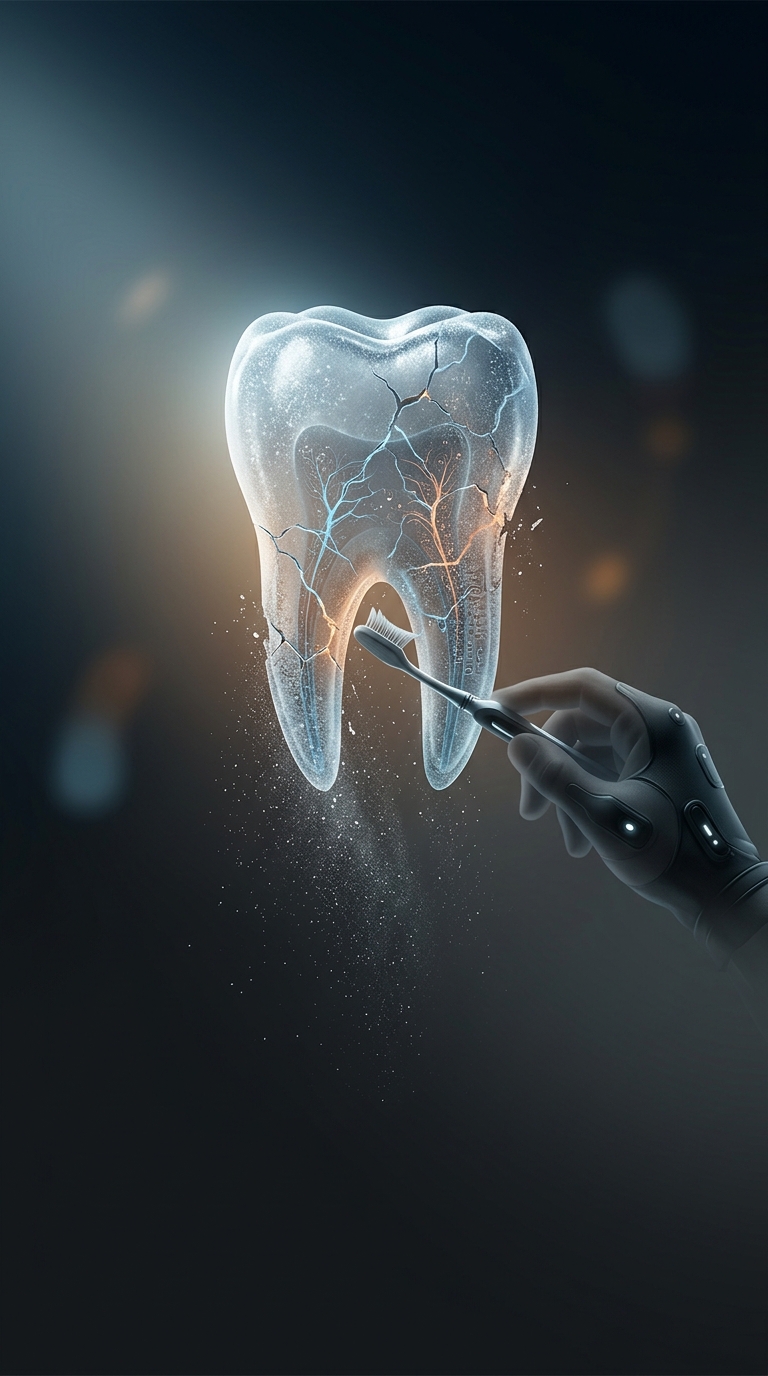
Enamel is the hard outer coating of a tooth, but it can temporarily soften when exposed to acid. Citrus, soda, sports drinks, and vinegar-heavy foods can lower the acidity around teeth; stomach acid from vomiting or reflux can do the same. While enamel is softened, brushing may rub away more of its surface than it would at other times. Enamel does not grow back, so repeated wear can gradually expose the more sensitive layer underneath.
Saliva needs time to restore the balance
After eating, saliva helps dilute and neutralize acids. It also supplies minerals that can help reharden the softened enamel. Brushing immediately interrupts that recovery window, especially if you scrub hard or use a stiff-bristled brush. The risk is not that one post-meal brushing will ruin a tooth; it is that making a habit of brushing while teeth are acid-softened can add up.
What to do instead
After an acidic meal or drink, rinse with water and wait about 30 minutes before brushing. That gives saliva time to act. If you do brush, use a soft-bristled brush and gentle pressure; brushing harder does not clean better. The important distinction is the meal itself: after foods that are not especially acidic, immediate brushing is not automatically harmful. The caution matters most when acid has temporarily weakened enamel—so a quick water rinse can be the better first move.