Why rinsing can wash away toothpaste’s benefit
The common misstep is swishing water around the mouth immediately after brushing. It feels like the natural final step, but it also dilutes and removes some of the fluoride left behind by toothpaste.
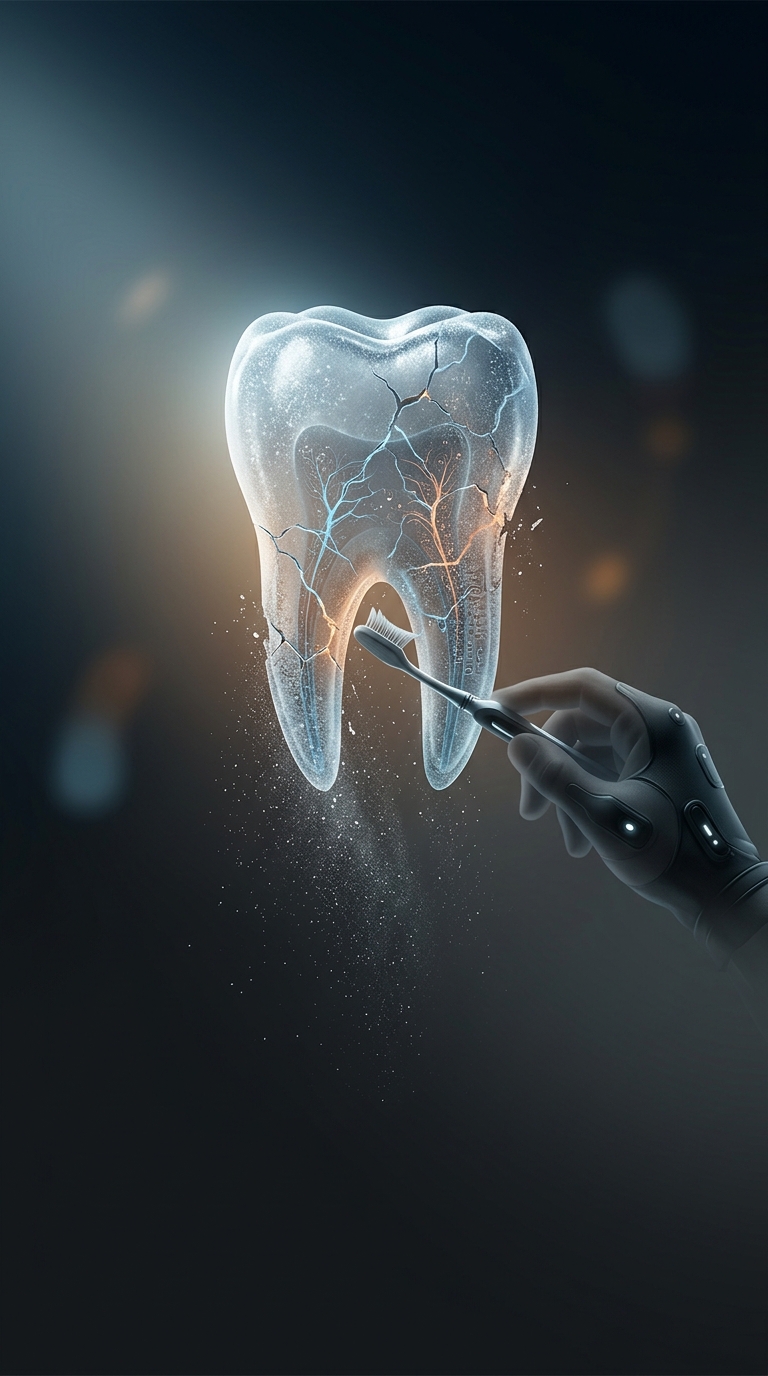
Fluoride helps strengthen tooth enamel—the hard outer layer of a tooth—and makes it more resistant to acids produced when mouth bacteria feed on sugars. Brushing spreads fluoride across the teeth; leaving a thin residue gives it more time in contact with enamel. A rinse carries part of that residue down the drain before it can do as much work.
Spit, then leave the residue
After brushing, spit out the excess toothpaste rather than rinsing with water. The small amount left in the mouth is not the same as swallowing a mouthful of toothpaste. If the taste or foamy feeling is bothersome, using less toothpaste can help while still allowing fluoride to remain on the teeth.
The same timing matters with mouthwash: using it immediately after brushing may wash away concentrated toothpaste residue. If you use a fluoride rinse, follow its label or your dentist’s advice about when to use it.
This is a small change with a simple payoff: the last step of brushing need not be another rinse. Spitting instead lets the fluoride already spread across the teeth stay there longer.