A closer look
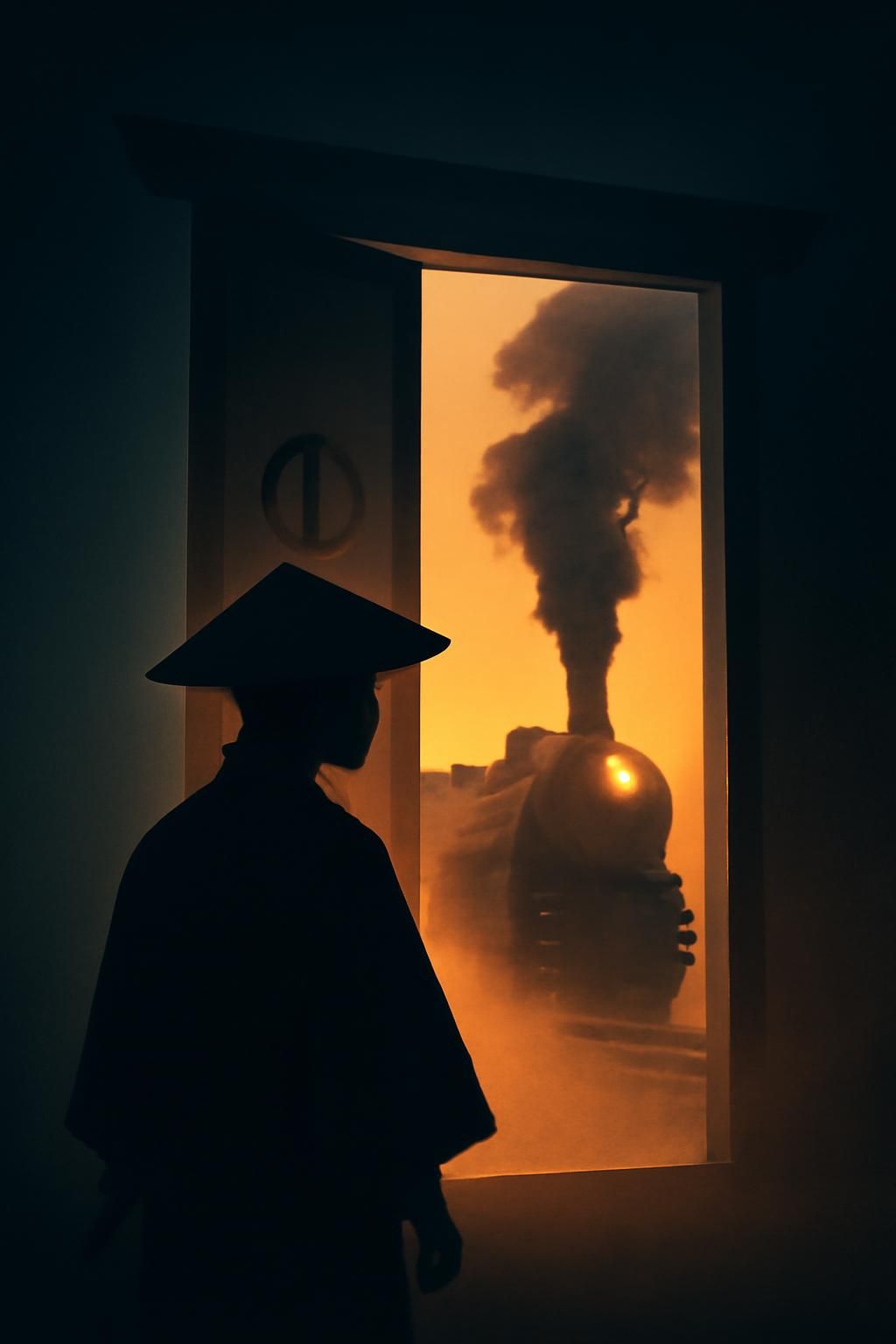
For over 200 years, Japan largely shut itself off from the world, then industrialized at a speed that shocked empires. Under the Tokugawa shogunate's sakoku policy, most foreigners were banned, Christianity was suppressed, and overseas travel was heavily restricted. This isolation allowed internal peace and strict social order but also kept out many technological advances. When American gunboats forced the country open in the 1850s, Japan faced a brutal choice: modernize or be carved up like parts of China. The Meiji Restoration that followed was radical. Feudal domains were abolished, samurai lost their privileges, Western-style education and conscription were introduced, and railways and factories sprang up in just a few decades. That whiplash transformation shows how fast a society can pivot when humiliation and existential threat collide. Closed doors can feel safe, until the outside world kicks them in.