How kuroko turn a cosplay pose into a moving scene
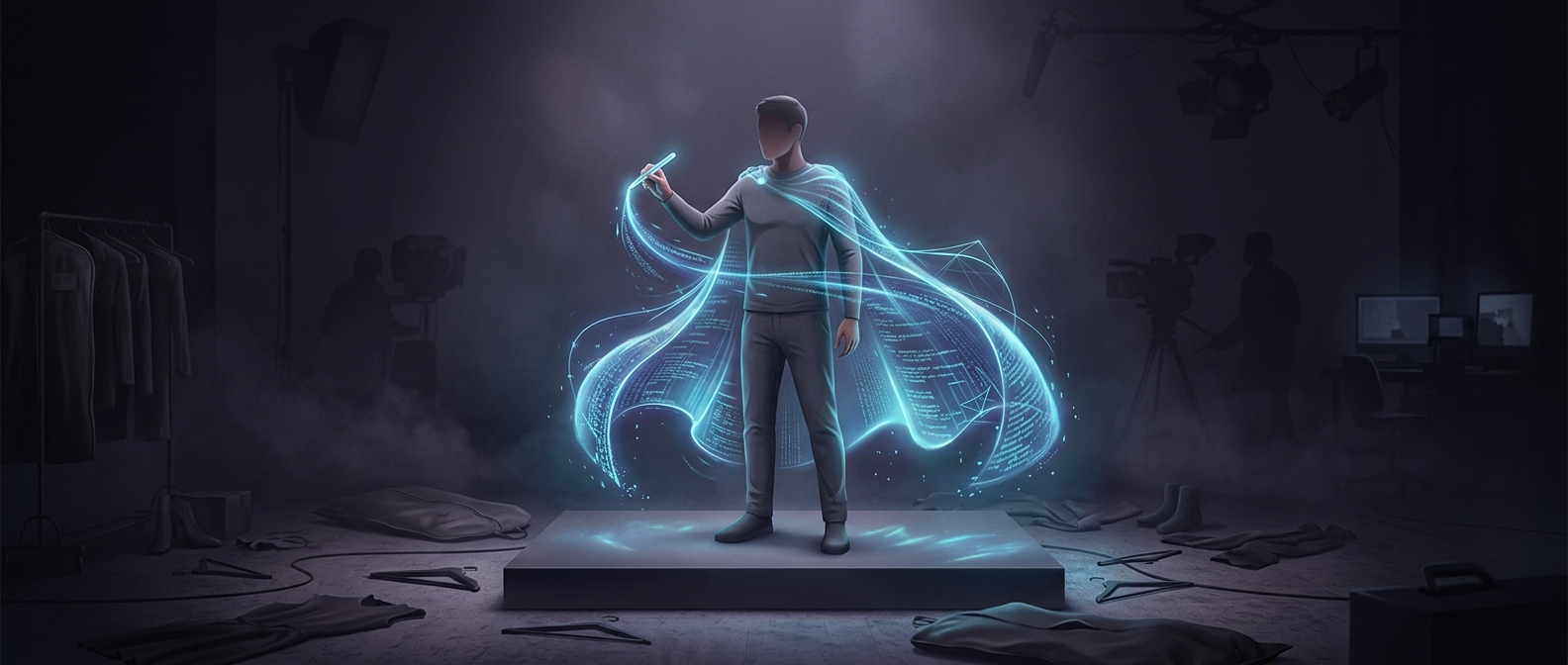
A cape looks most dramatic when it catches a gust at exactly the right moment. In a studio or at a carefully staged outdoor shoot, that gust may come from a person just beyond the camera’s view. Japan’s cosplay photographers use kuroko—black-clad assistants—to supply effects that a still camera can capture as if they were part of the scene.
Stagecraft at the edge of the frame
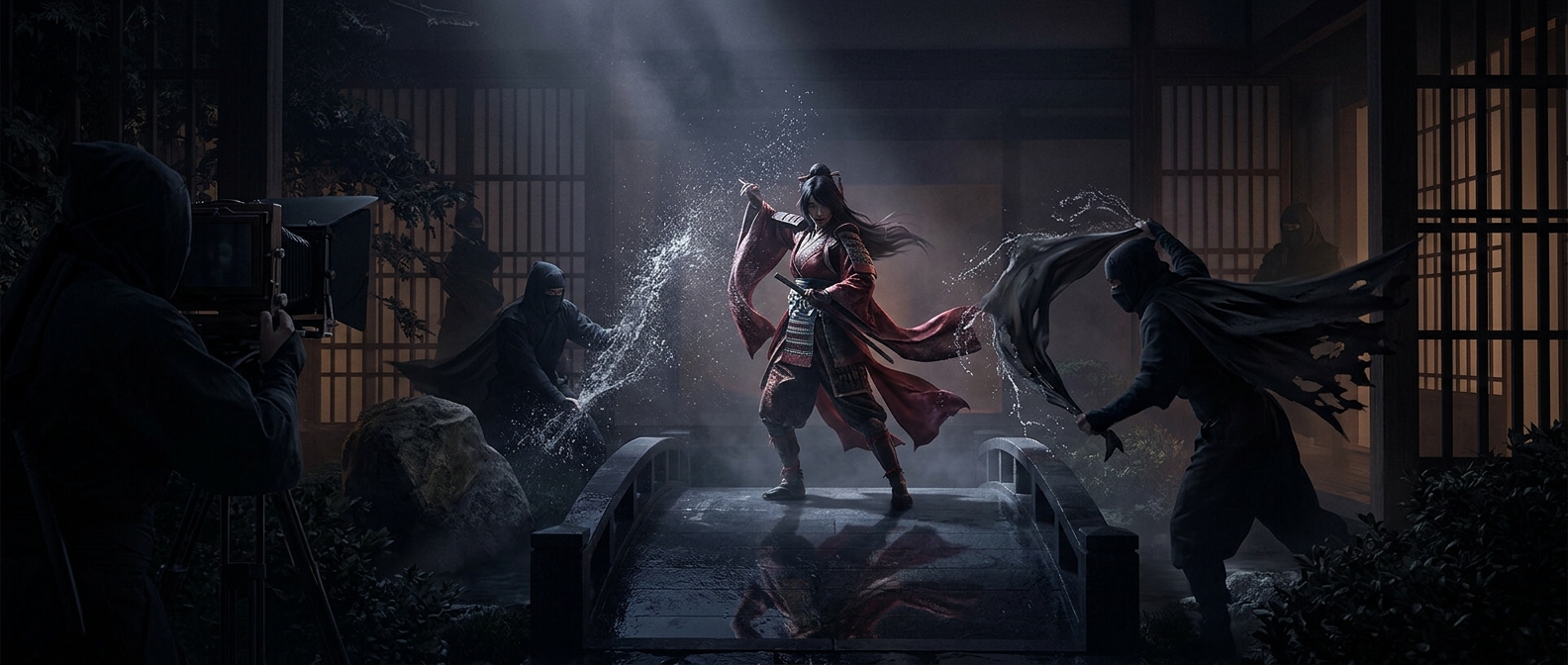
The name and costume draw on a familiar convention from Japanese stage performance: a helper dressed in black is meant to fade from the audience’s attention. At a photo shoot, the same visual trick works because the camera records only a limited rectangle. An assistant can stand beside or behind the cosplayer, outside that rectangle, and still reach into the scene with a line or a handful of water.
A tug on fishing line can lift or angle a cape; a thrown splash can suggest rain, an impact, or a burst of water. Smoke adds depth and atmosphere. These are practical effects: real materials and human timing create the action in front of the lens, rather than relying entirely on a computer to add it later.
Why the timing matters
A photographer, cosplayer, and kuroko have to coordinate the pose with the effect. The assistant pulls or throws at the right instant, while the photographer catches the brief moment when fabric, droplets, and expression align. A line must be positioned so it moves the costume without becoming visible; water and smoke have to enter the frame without obscuring the subject. Often, the result depends on repeated attempts and adjustments to the camera’s angle.
That teamwork lets a static image imply motion. The finished photograph may show a hero’s cloak caught in a storm, while the machinery behind the illusion is simply a person working just outside the frame.