A prop designed to fail on cue
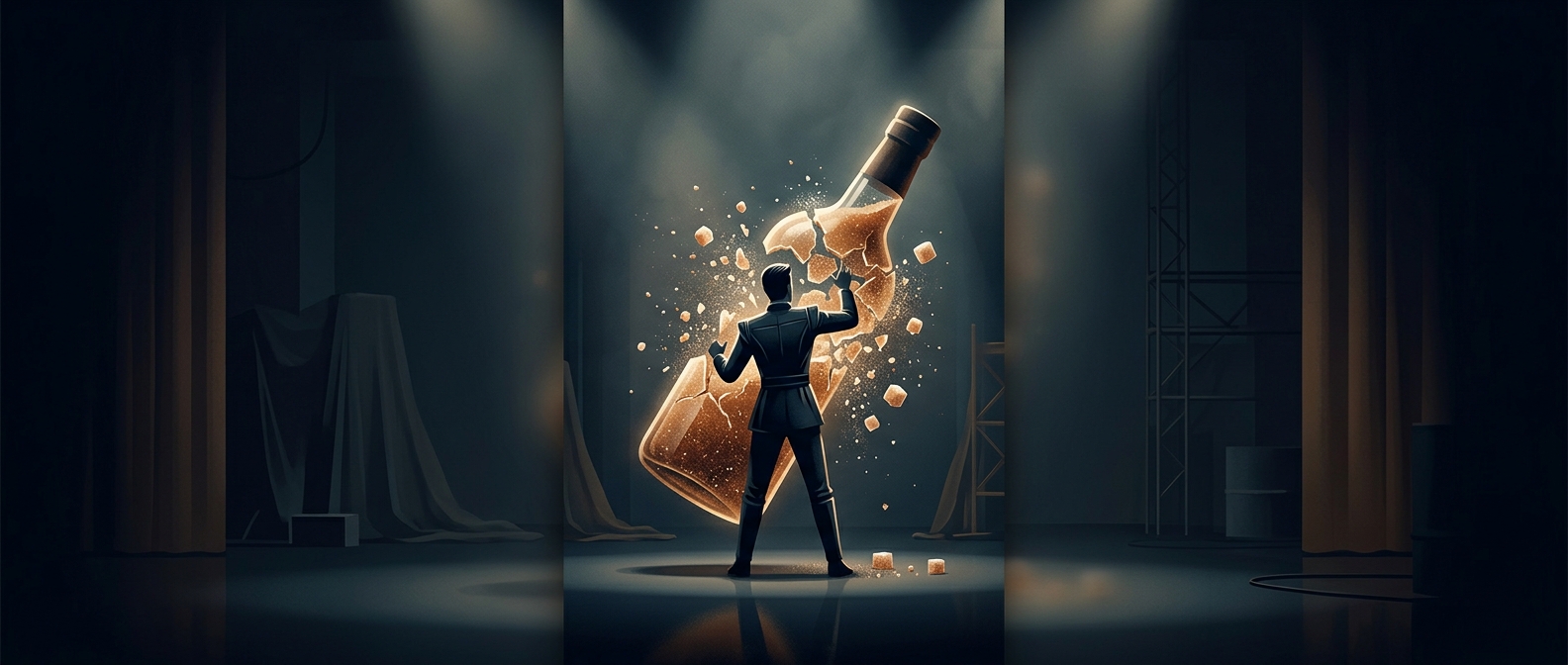
Real window glass is hard and brittle, but when it breaks it can produce long, sharp-edged fragments. A breakaway prop is made to give way more easily and in a less hazardous pattern. Traditional “sugar glass” is cooked sugar syrup that cools into a hard, glasslike solid; other breakaway props use purpose-made plastics or resins. They are different materials, but the goal is similar: make the break predictable for the scene.
Why the pieces are less dangerous
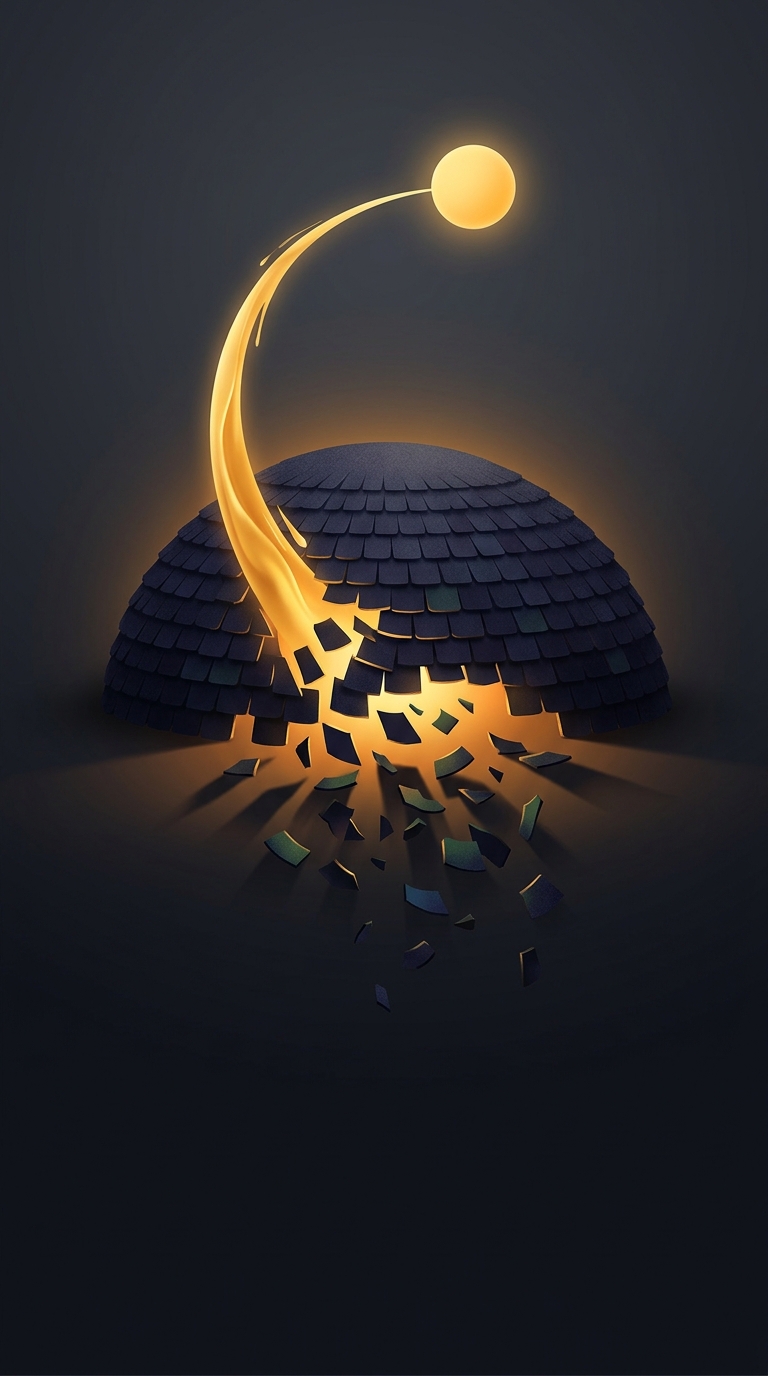
The material is formulated to be relatively soft and fragile compared with ordinary glass. When struck, it tends to break into smaller, lighter pieces rather than the heavy, knife-like shards a real pane can produce. Its weakness is the point: a performer can pass through it with much less force, and the prop can be rigged to break at the intended moment.
That does not make a staged window harmless. Fragments can still hit eyes or skin, and a performer can be injured by the impact or fall. Film crews control the setup, clear the area, and choreograph the action; the breakaway material reduces one major danger rather than eliminating every one.
The break is part of the effect
A pane must look convincing from the camera’s angle while giving way reliably during a take. That is why breakaway glass is a specialized prop, not simply a substitute for real glass in any setting. The movie’s dramatic crash is carefully engineered so the audience sees a violent impact while the material itself is designed to break with comparatively little force.