A locomotive with a cab at each end
A conventional locomotive has a front and a rear, so after hauling a train one way it may need to be turned before it can lead the return trip. Some railways handled that with a turntable: a powered platform that rotates the locomotive. But a turntable takes space, costs money to build and maintain, and can become a bottleneck if trains arrive faster than it can handle them.
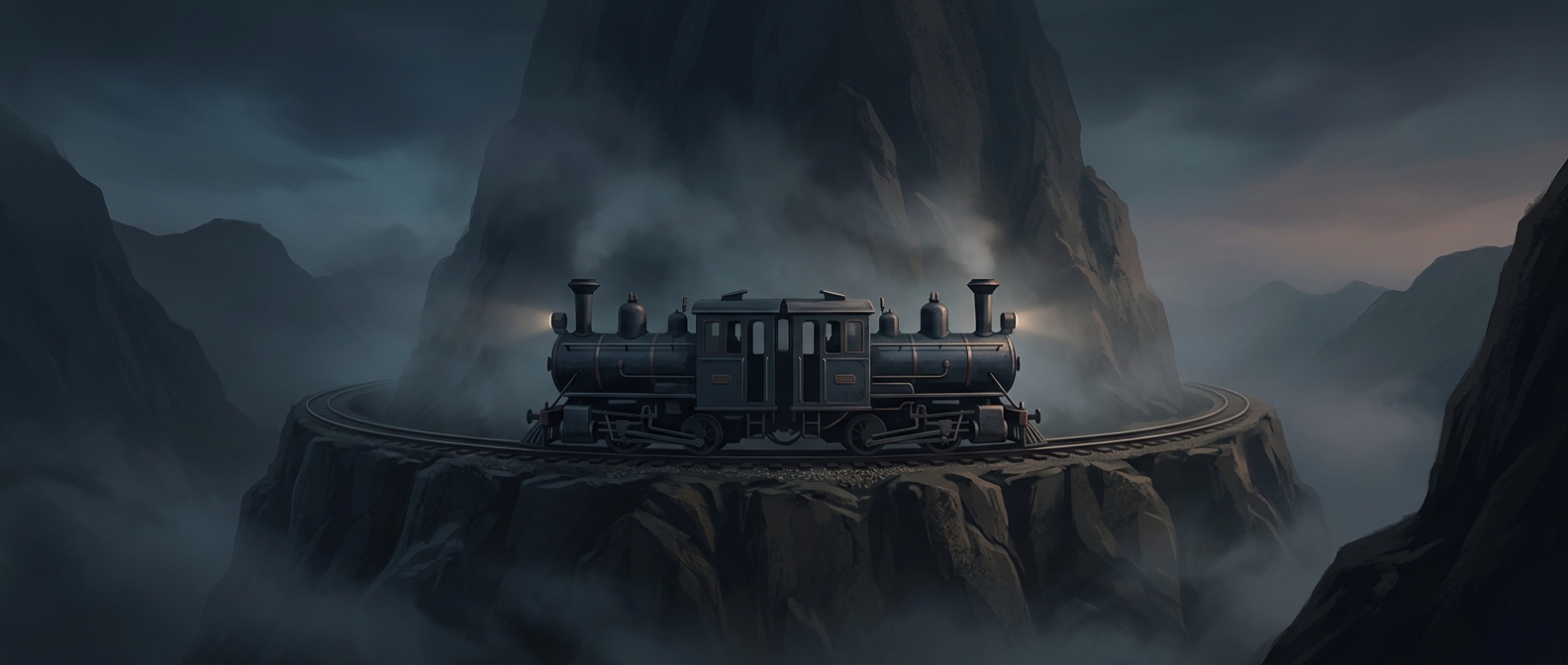
A double-ended locomotive avoids that extra step. It has a control cab at each end, with the equipment needed to operate the train arranged so the crew can drive from either one. At the terminus, the engineer secures the train, walks through or along the locomotive to the other cab, and sets up there for the return journey. The locomotive itself stays pointed the same way; the train simply moves in the opposite direction.
The tradeoff behind the convenience
This layout is especially useful on routes where trains repeatedly travel back and forth between fixed endpoints, such as commuter lines or short branches. It can eliminate the need to turn the locomotive or rearrange the train at each end, making terminal operations simpler and quicker.
The design does not make direction changes instantaneous: the crew still has to change ends and prepare the controls, and the locomotive must be equipped for safe operation from both cabs. But it replaces a large piece of trackside infrastructure with equipment carried on the vehicle. Instead of turning the engine to face the journey, the railway gives the crew a place to drive from whichever end is leading.