A shell that turns distance into danger
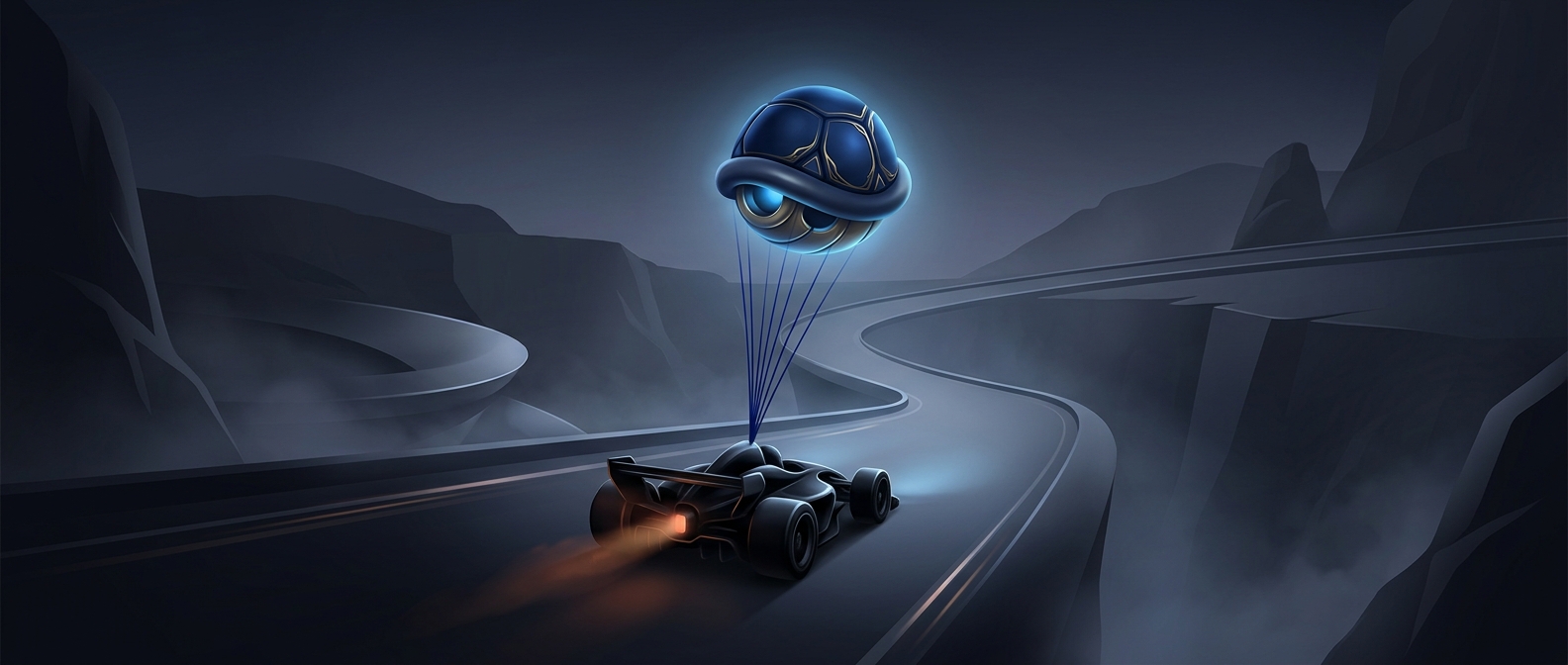
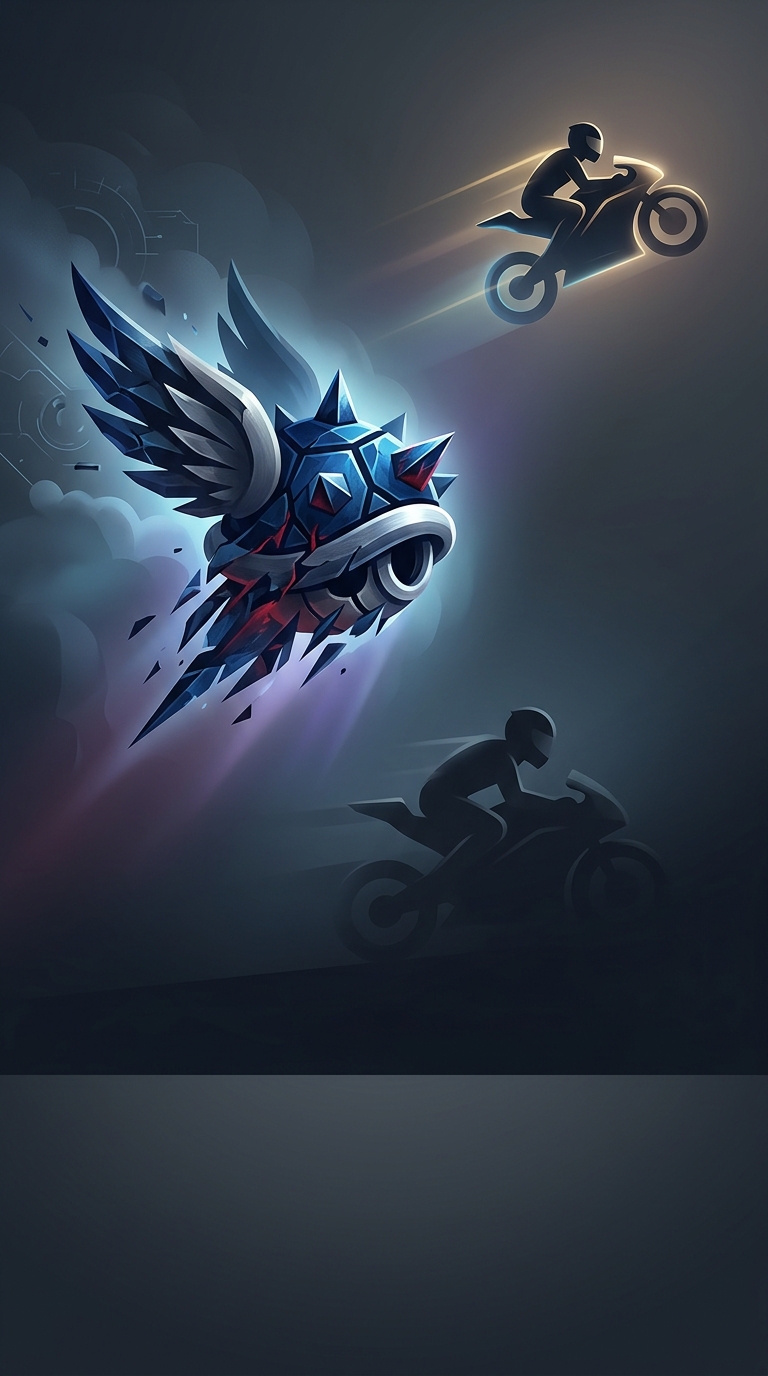
In Mario Kart 64, the Blue Shell is more than a powerful projectile: it is a way to make the race’s front position vulnerable. Rather than simply traveling toward the nearest kart, it seeks out the racer in first place. A player who has built a comfortable lead can therefore be forced to deal with a threat created by the pack behind them.
That design also addressed a practical problem. In multiplayer, the N64 had to render separate views of the track for racers who could be far apart. Keeping the action closer together could ease the strain on the system. A weapon that dragged the leader back into the contest gave the game a way to reduce runaway gaps through its rules, not just through its hardware.
An equalizer with a cost
The shell’s effect is deliberately blunt: it can erase some of the leader’s hard-won advantage, but it does not automatically give the player who launched it a win. The rest of the field still has to navigate the track, and the target may recover. That uncertainty is part of the item’s impact. It turns a lead into something to defend rather than a guarantee.
The result is a memorable tradeoff: the player out front has earned the advantage, yet the game gives rivals a chance to disrupt it. The Blue Shell makes the pack’s distance from the leader matter—and gives everyone a reason to watch the gap.