Faster service changes which homes feel reachable
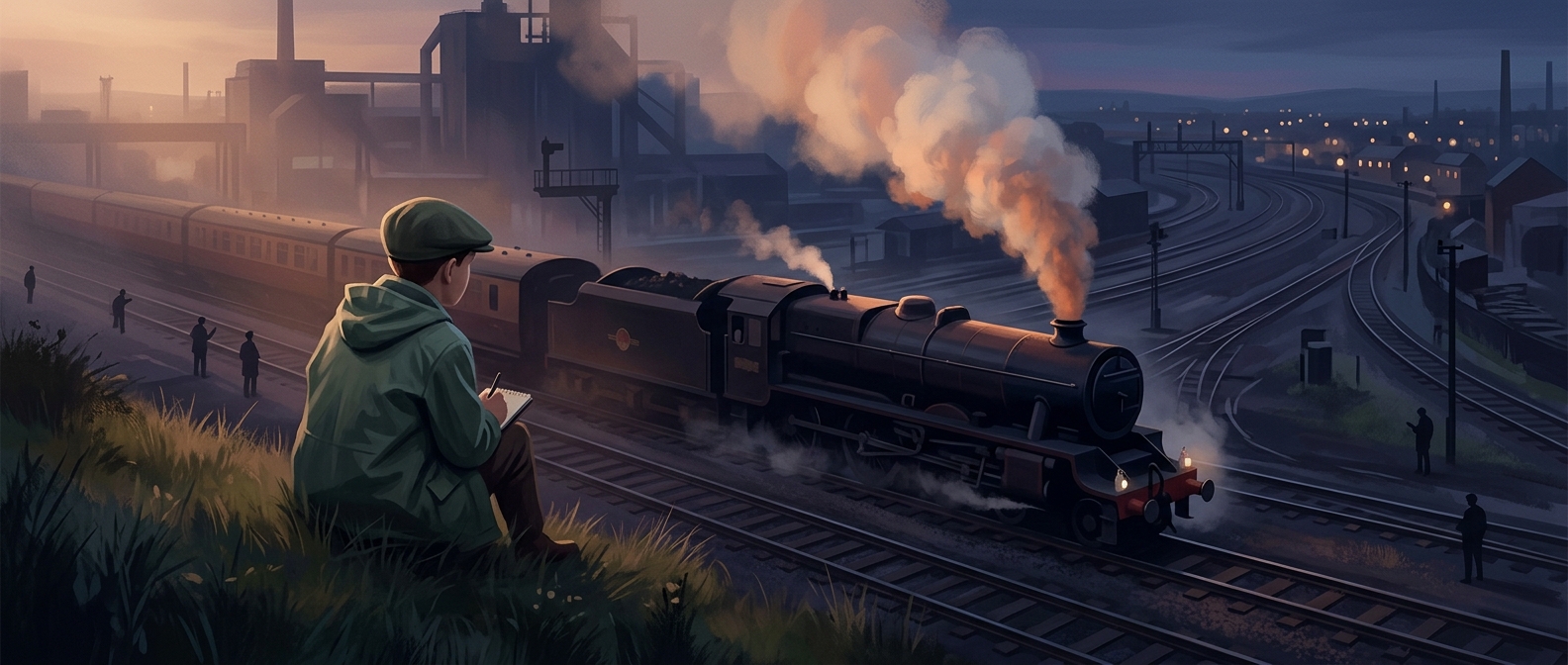
A faster train can make a distant neighborhood seem newly practical. A trip that once took too long may now fit the same morning schedule, so some commuters choose a home farther from work rather than using the improvement to arrive earlier. The train has reduced the cost of distance—not eliminated the time people are willing to spend traveling.
That choice can ripple through housing and travel patterns. As more places become reachable within an acceptable commute, people may spread farther along the line, and employers and shops may respond to the larger area the train connects. The result can be longer trips even while trains move faster.
The time saving is real, but choices absorb it
This pattern is sometimes called the travel-time budget: people tend to make decisions around a roughly tolerable amount of daily travel. It is not a fixed rule for every person. Some riders keep the time they save; others trade it for more distance, a different home, or access to a wider range of jobs.
So a faster train can still improve a commute. It may let someone travel farther in the same time, or make a previously exhausting journey manageable. But if enough people use the new speed to reach farther-away homes, the average commute distance can grow and absorb part of the apparent gain.
Speed alone does not guarantee an earlier arrival
Whether riders actually get shorter commutes depends on more than the train’s top speed: service frequency, transfers, station access, and where people can afford to live all matter. A speed upgrade changes the options available; it does not dictate how commuters use them.
The practical implication is that transport improvements can reshape where people live as well as how quickly they travel. A faster line may expand a city’s daily reach—even when the clock at the office changes very little.