Why a Coach Has a Basement
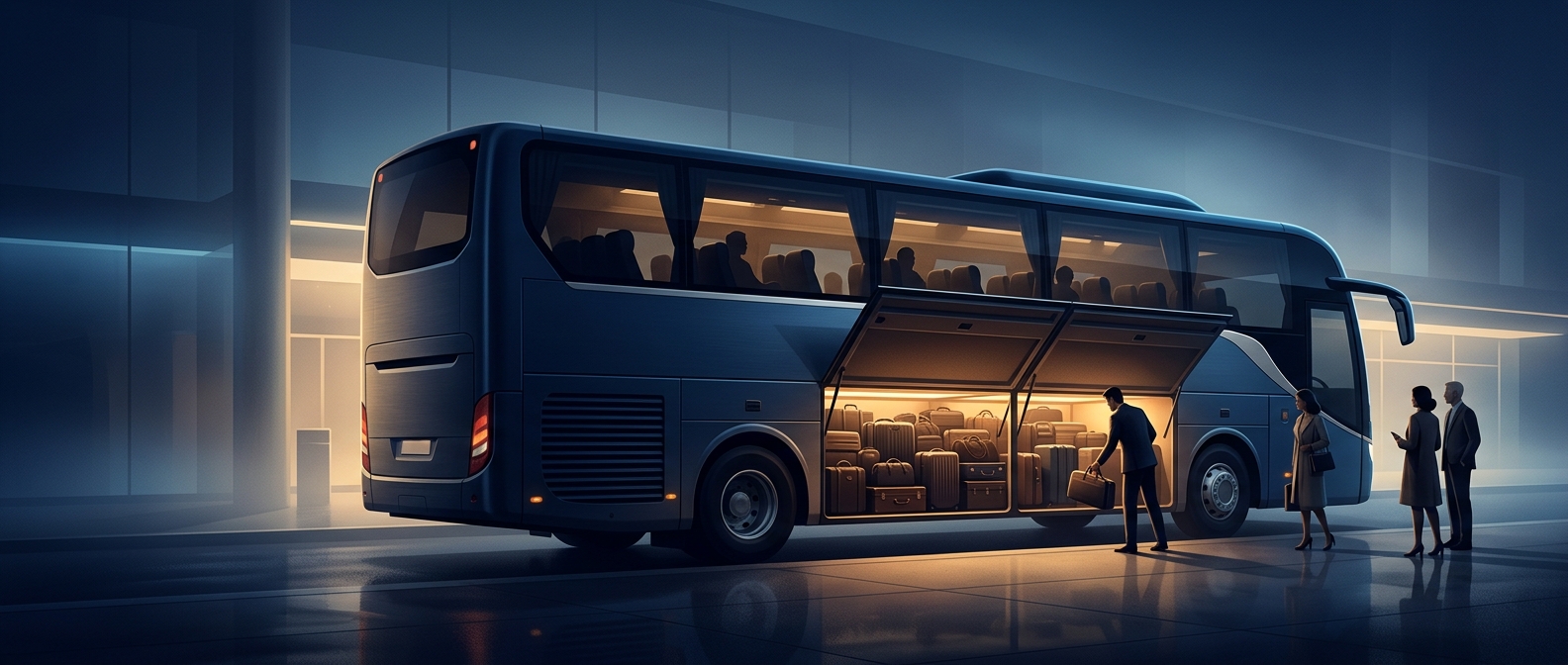
A motorcoach’s luggage compartment is built into the space between its wheels, beneath the passenger floor. That arrangement makes use of the vehicle’s tall body: passengers sit above, while large bags travel in long bays that can be reached through doors along the sides.
The bays are more than empty space under the seats. The floor and frame must carry the weight of passengers and luggage, and the storage compartments are divided and reinforced as part of that structure. Their doors open outward so bags can be loaded from the curb without bringing them through the passenger aisle.
A Tradeoff in Height and Access
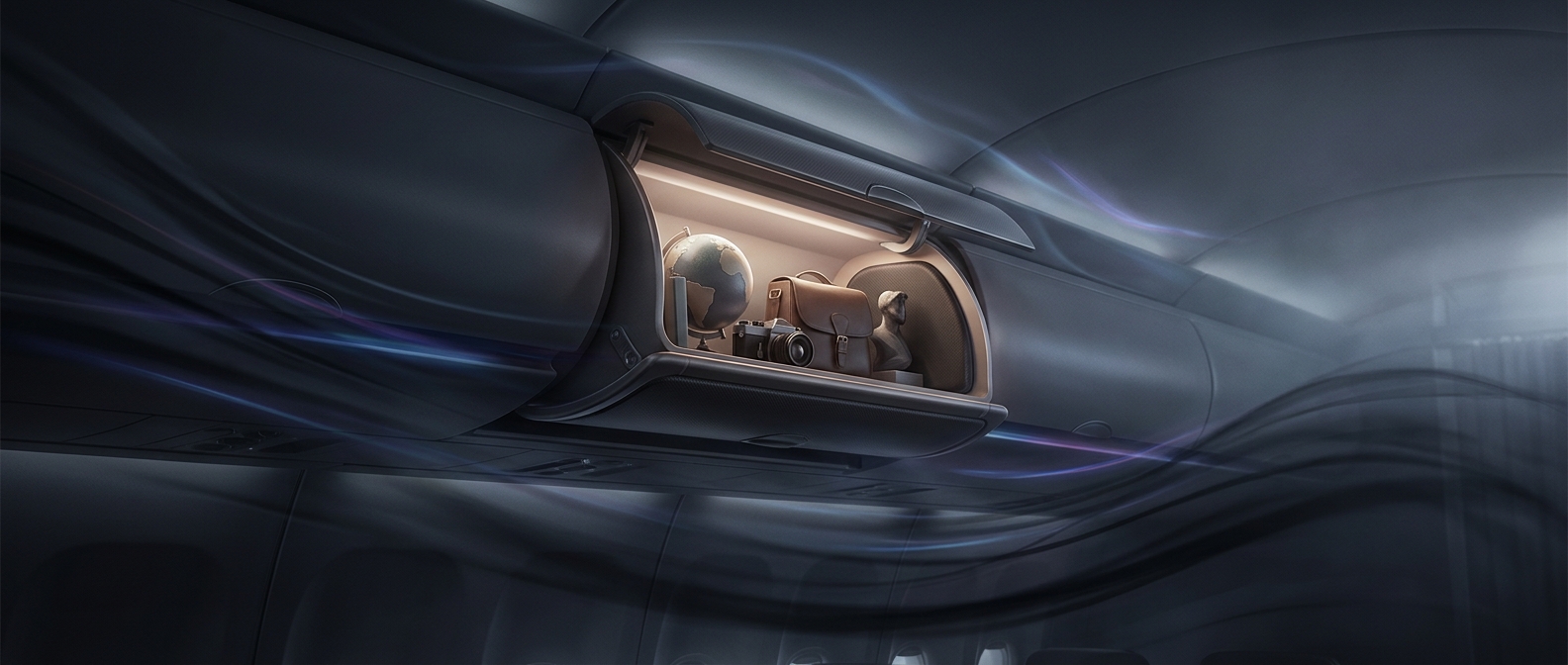
Putting luggage below keeps suitcases out of the cabin, leaving room for seats, a clear aisle, and overhead racks for smaller items. It also lets the coach carry bulky bags without needing a separate trailer. The cost is that the passenger floor has to sit high enough to leave room for the compartments and the coach’s running gear, including the wheels and other mechanical components.
That height shapes the boarding experience: passengers climb steps to reach the cabin, while baggage handlers load the larger cases at ground level. The coach’s two levels are therefore less a novelty than a practical division of labor—people ride upstairs, and their luggage is packed into the space the vehicle’s height makes available below.