A miniature worker for the next world
In ancient Egyptian belief, the afterlife was not simply a place of rest. The blessed dead might live in a fertile realm often called the Field of Reeds, where farming and other duties still had to be done. Shabti figurines offered a practical answer to that prospect: the deceased could be equipped with a stand-in to do the work.
The spell gave the figure a job
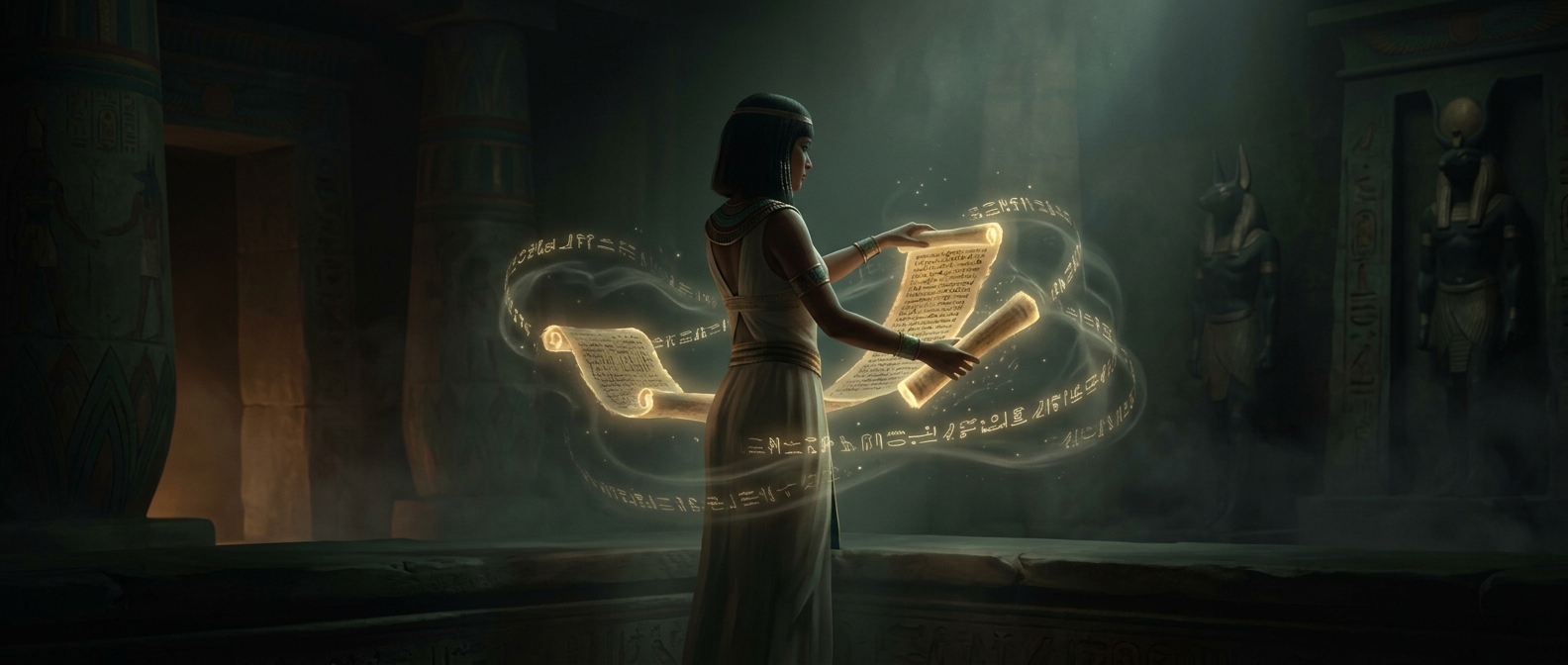
Many shabtis were inscribed with a passage from the Book of the Dead, a collection of texts intended to help the dead navigate the afterlife. The passage now commonly called Spell 6 addresses the figurine directly. If the deceased was summoned to work—such as digging fields, irrigating land, or carrying sand—the shabti was to answer, “Here I am,” and take the deceased’s place.
That wording mattered. The figure was not just a portrait or keepsake; the spell described what it was expected to do. In Egyptian religious thinking, names, images, and written words could carry force, so inscribing instructions on a small figure made the substitute’s role explicit.
From one helper to a workforce
Shabtis were often shaped as mummiform figures, sometimes holding tools or a basket suited to fieldwork. Over time, some burials included many of them, turning the idea of a single magical assistant into a miniature labor force. The arrangement reflects a specific concern about the afterlife: even in a paradise, the dead might be called upon to perform ordinary tasks.
The striking detail is how direct the solution was. A person could be buried with a figure bearing instructions to respond when summoned—an afterlife work assignment redirected, in writing, to someone else.