How a violent death became an omen
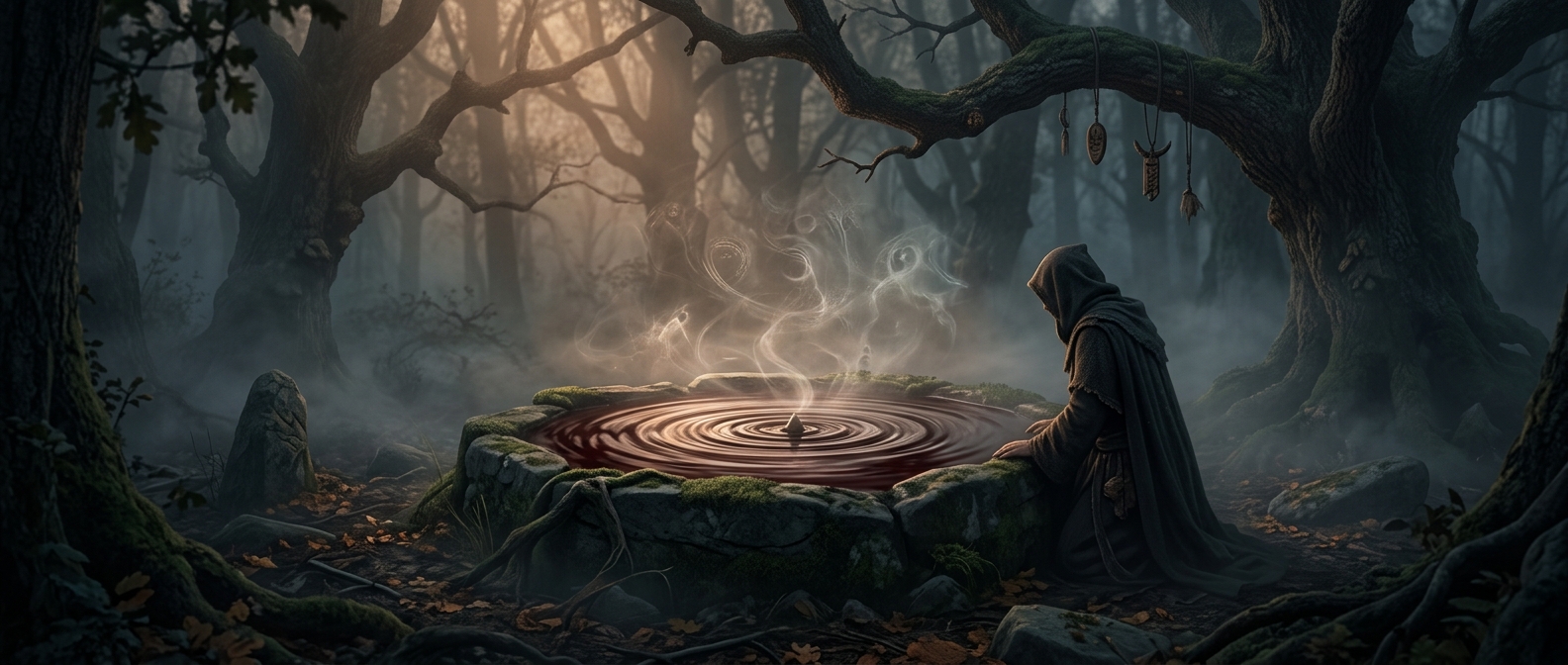
Roman accounts describe Druids interpreting a sacrifice by watching the victim’s blood and movements. The logic was divinatory: the ritual was treated as a way to make hidden knowledge—such as what might happen next—readable through events in the present. Rather than a written message, the signs were bodily and fleeting, so the ritual’s meaning depended on the observer’s interpretation.
These reports do not establish exactly what happened in Celtic religious practice. The writers were Roman outsiders describing a society they viewed through their own religious and political assumptions. Accounts of shocking rites could make conquered peoples seem cruel or uncivilized, helping justify Roman power. That does not prove the stories were invented; it means their details and framing need to be treated cautiously.
What the accounts can—and cannot—tell us
The reports reveal that Romans associated Druids with religious authority and the interpretation of signs. They also show how sacrifice could be presented as both a sacred act and a spectacle, with the observer’s reading of a victim’s behavior supplying the supposed answer. But without independent confirmation, the claimed method cannot be reconstructed with confidence.
The distinction matters: the surviving description is evidence for what Roman authors said about Druidic ritual, not a clear window onto what every Druid community did. The unsettling image endured partly because it turned an invisible claim—knowledge of the future—into a scene readers could picture.