A hit character, but no continuing stake
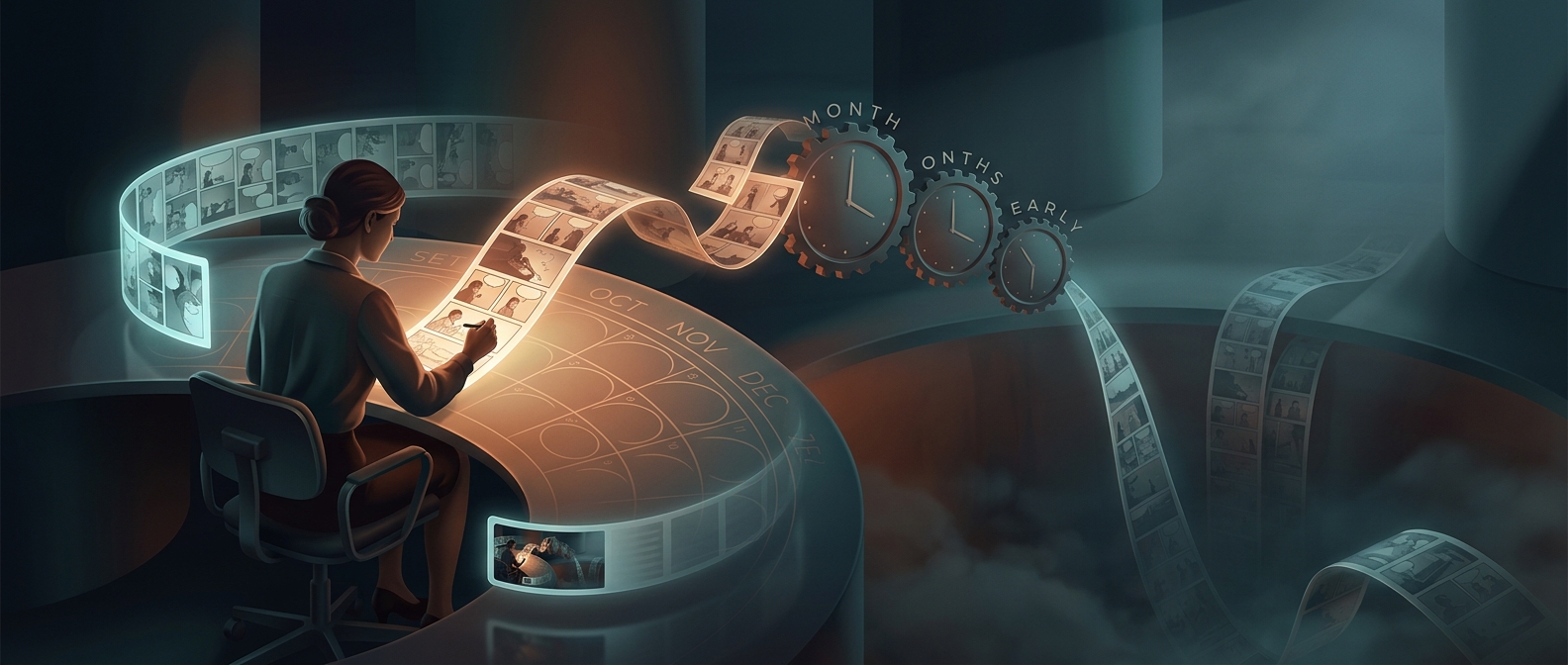
The 1938 sale did more than pay for a story: it placed control of Superman in the hands of the publisher that could print him, build him into a series, and authorize new uses of the character. Siegel and Shuster had created a durable fictional world, but the contract treated that creation as something the publisher could own—not as a business in which its makers would automatically share future returns.
That arrangement reflected a sharp imbalance in the comic-book business. A publisher could offer young creators a route into print; creators, eager to see their work published, had little bargaining power compared with the company controlling distribution and the characters’ future. The value of a character could grow long after the original payment was settled, while the creators’ claim to it did not grow with it.
Success changed the stakes, not the contract
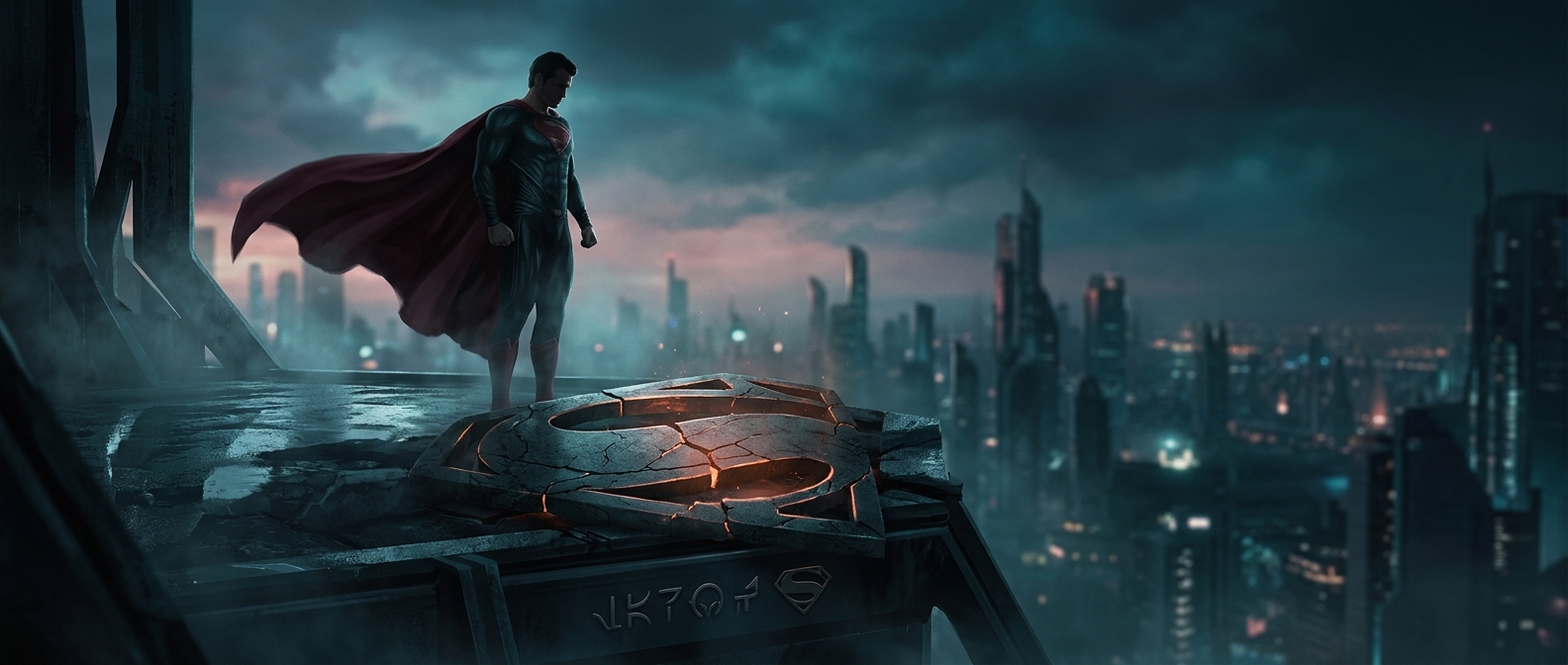
Superman became far more than the feature in an early comic book. As the character spread into new stories and forms of entertainment, ownership carried increasing commercial and cultural weight. But popularity did not itself restore Siegel and Shuster’s control. Their later court fights were attempts to challenge or change the consequences of the original agreement, not a simple mechanism for collecting a share whenever Superman appeared somewhere new.
The dispute also made the creators’ circumstances visible to the wider comics community. In the 1970s, other comic creators helped bring public attention to their treatment, and Warner Bros. agreed to provide them with a yearly pension. That support offered some security, but it was not the same as returning ownership of Superman.
The episode became a lasting point of reference in debates over creator rights: a publisher may own the character that keeps earning, even when its creators no longer benefit in proportion to its success.