How fat around organs softens movement
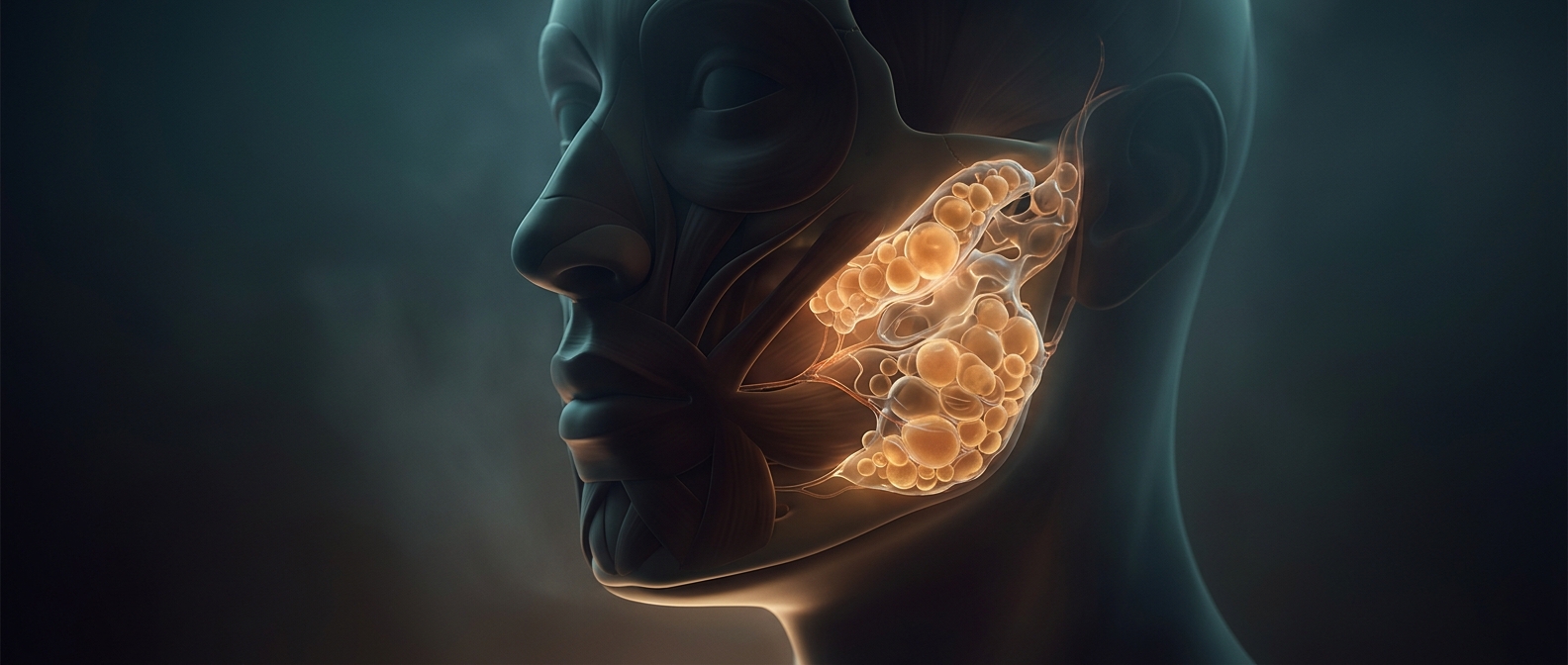
Some organs sit within or beside layers of fat in the abdomen. This tissue is part of the body’s internal packing: it fills spaces between structures and gives organs a softer setting than direct contact with bone or other firm tissues. As the body bends, walks, or changes direction, that padding can help distribute small pressures and reduce rubbing between neighboring structures.
Padding is only one part of the support system
The effect is not like wrapping an organ in bubble wrap. Organs are also held in place by membranes, connective tissue, and ligaments, while the abdominal wall and rib cage provide broader protection. Fat’s cushioning is modest and helps with ordinary movement; it is not designed to absorb a major blow or prevent injury.
Fat around organs also has other jobs, including storing energy and participating in local signaling. Its location matters: fat around the kidneys, for example, occupies space around them, while fat in the folds that support the intestines moves with those tissues. These deposits are not interchangeable with the fat under the skin, which lies outside the body’s deeper structures.
Why “some” does not mean “more is better”
A normal amount of internal padding is useful, but excess abdominal fat is not extra protection. Too much visceral fat—the fat stored deep in the abdomen around organs—can be associated with health risks. The useful idea is simpler: the body’s tissues are arranged to protect and support organs, and fat contributes to that arrangement without being the sole shield.