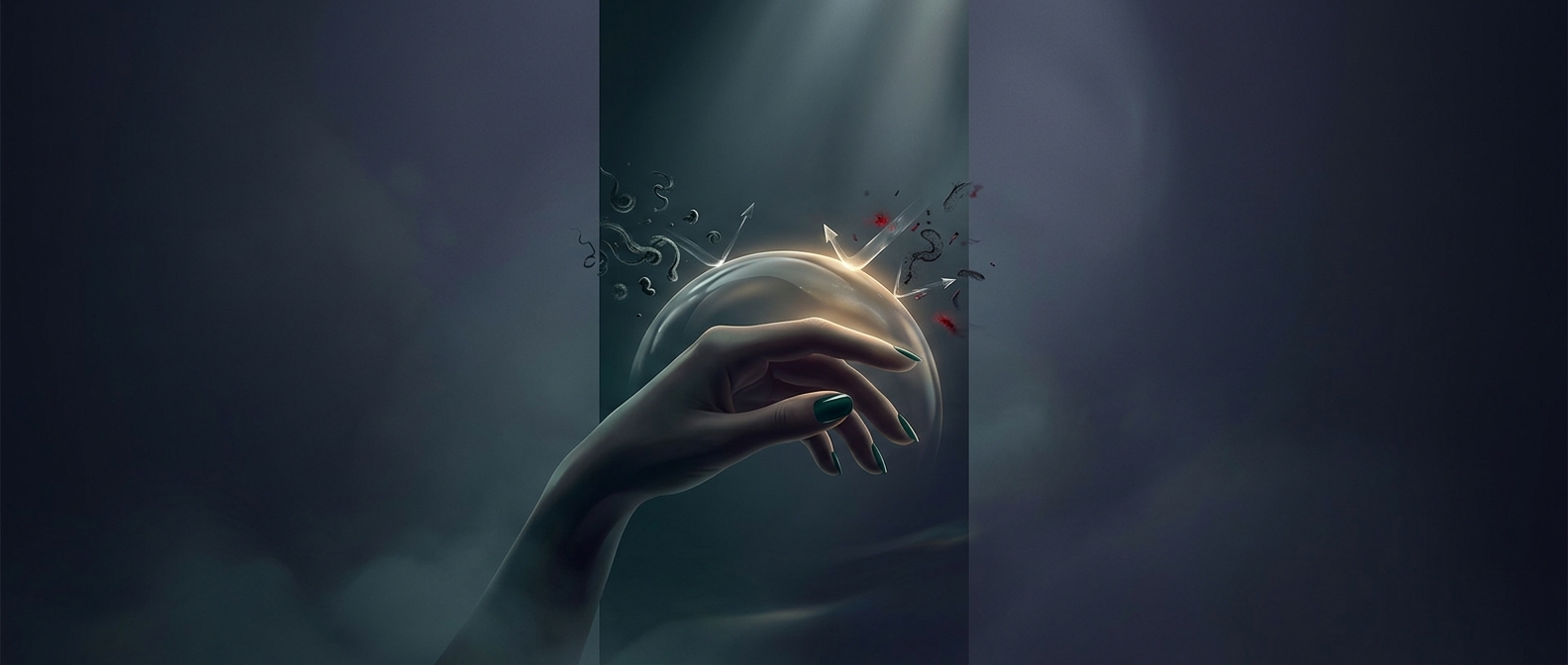
How the Nail’s Base Stays Protected
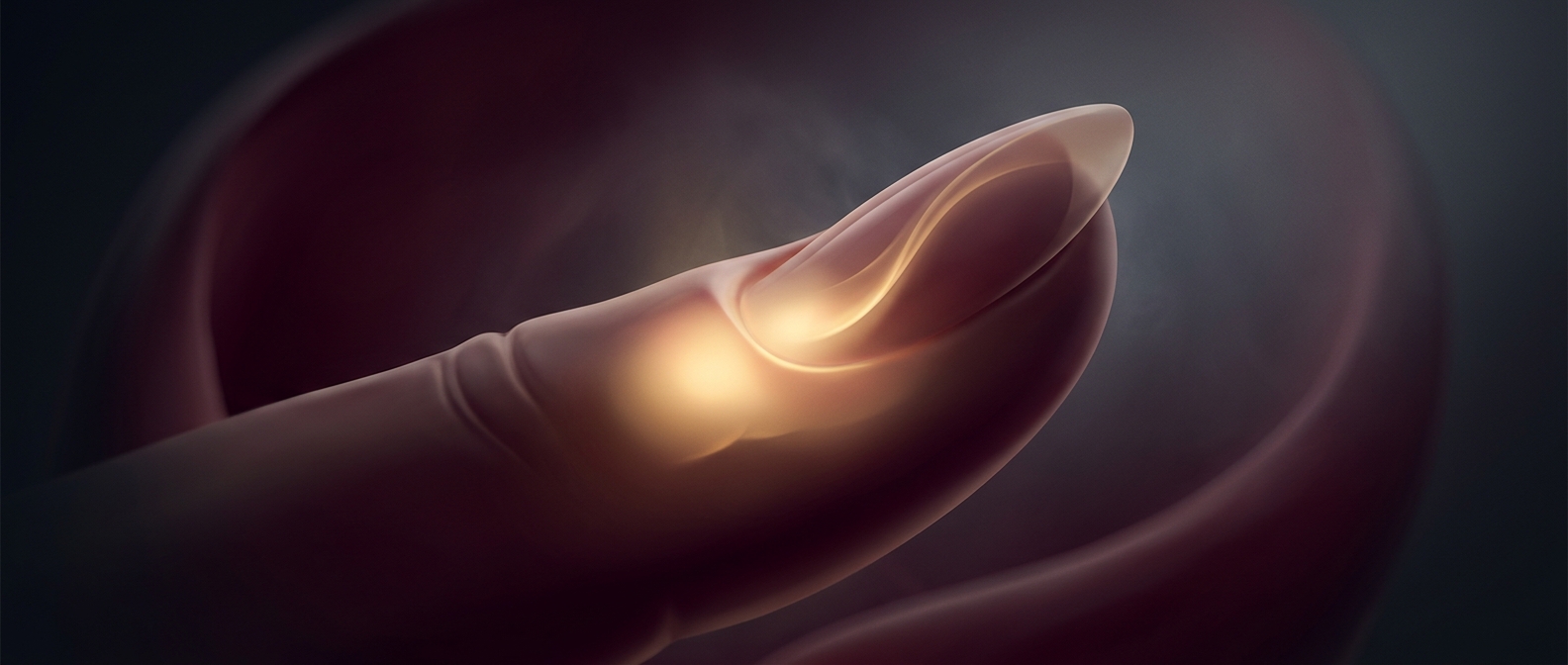
A nail grows from a pocket beneath the skin at its base. The hidden growth area, called the nail matrix, continually makes the cells that form the hard nail plate. Where the skin folds over the plate, a thin strip of dead tissue—the cuticle—sticks to the nail and helps close the seam. The living skin fold behind it, often called the proximal nail fold, adds another layer of protection.
Together, these tissues make the nail’s base a less accessible route for irritants and microbes. It is not an airtight or germ-proof seal, but keeping the seam intact helps protect the delicate, newly forming nail and the skin around it.
What Happens When the Seal Is Disturbed
Cutting or aggressively pushing back the cuticle can separate it from the nail plate. That may open tiny breaks in the surrounding skin, giving bacteria or fungi an easier opportunity to enter and cause inflammation or infection. Redness, tenderness, swelling, or pus around a nail can be signs that the area is irritated or infected.
A safer approach is to leave the cuticle in place rather than remove it. Moisturizing the surrounding skin can help prevent dryness and cracking; if a hangnail catches, trim only the loose dead edge with clean clippers, not the attached skin. The practical point is simple: the cuticle may look like excess skin during a manicure, but it helps guard the small, vulnerable junction where a new nail begins.