What your skin gets from the inside
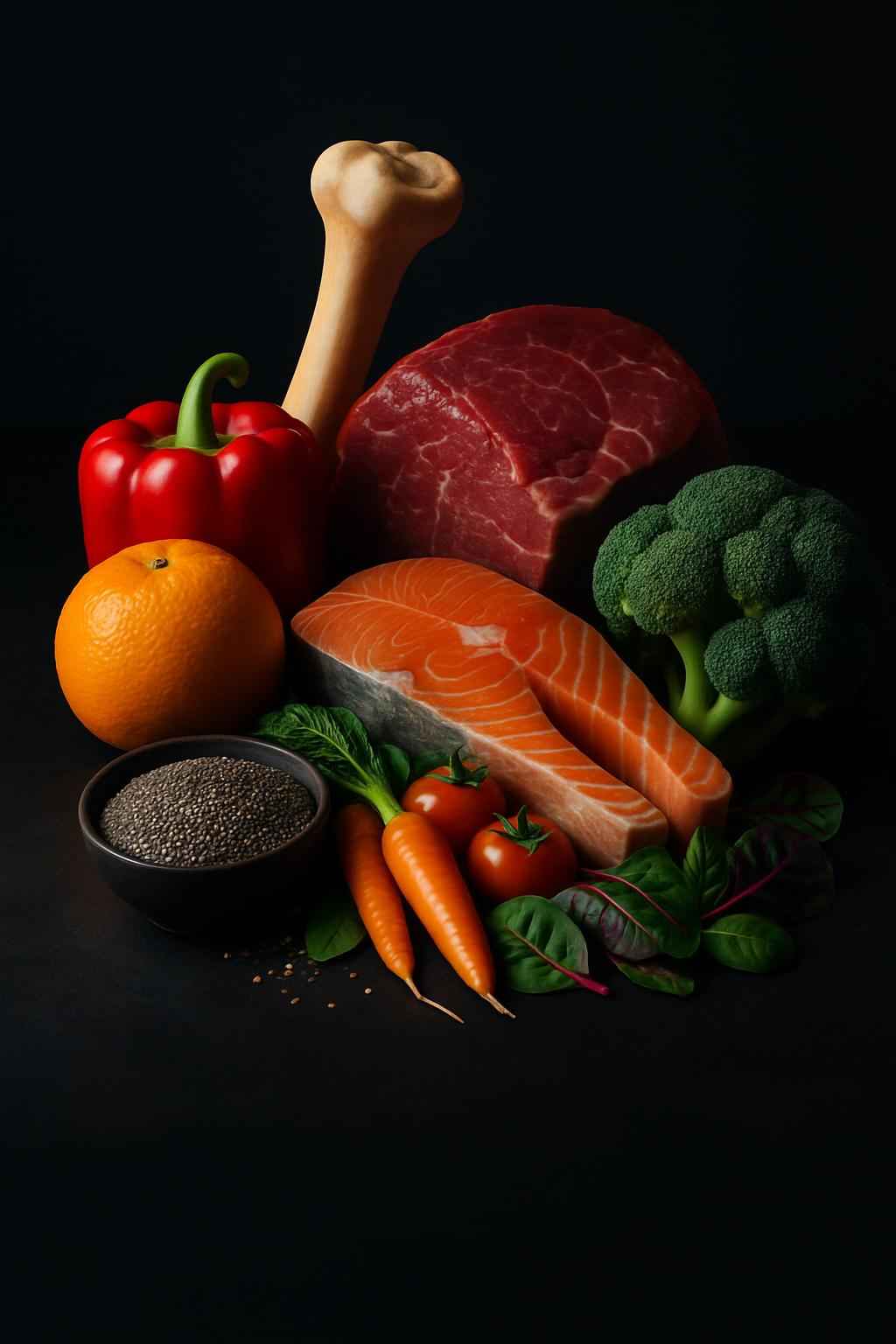
Skin is living tissue, continually renewing its outer layer and repairing damage. That work depends on nutrients delivered through the bloodstream—not just products applied to the surface. A balanced diet supplies building blocks for new cells and supports the body’s normal repair processes, while creams can moisturize the outer layer and help protect its barrier.
The roles of fats, vegetables, and water
Omega-3 fats, found in foods such as oily fish, walnuts, and flaxseed, are part of cell membranes and help regulate inflammation. They support normal skin function, but they do not work like a moisturizer applied directly to dry skin.
Leafy greens and other vegetables provide vitamins and other nutrients involved in tissue maintenance and protection from everyday cellular stress. Eating a variety of them helps meet the body’s needs; no single vegetable reliably erases blemishes or speeds healing on its own.
Water matters because dehydration affects the body, including the skin. But drinking extra water does not necessarily make already well-hydrated skin look more radiant. Adequate hydration is important; more is not automatically better for complexion.
Why the plate and the jar do different jobs
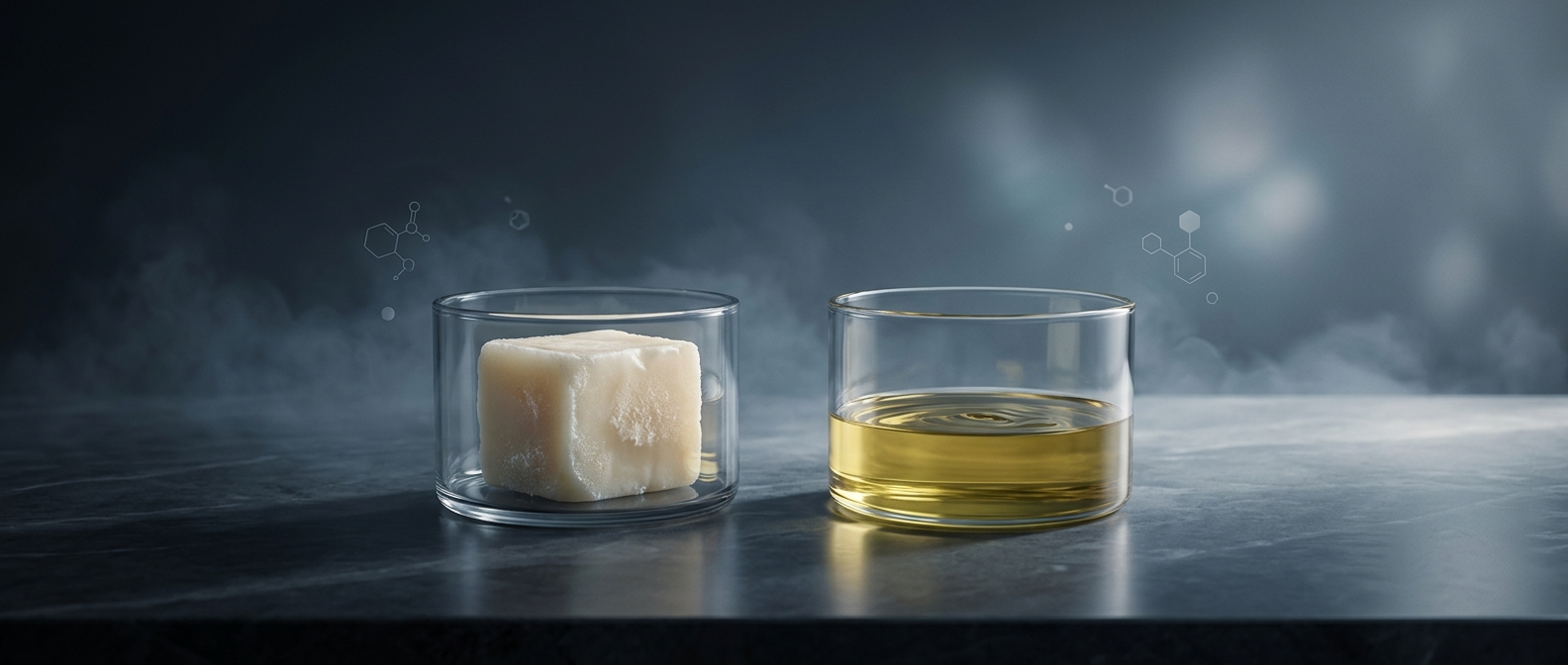
Nutrition supports skin from within, while topical products address the surface. A moisturizer can reduce water loss through the skin barrier; food cannot substitute for that immediate effect. Conversely, a serum cannot supply the nutrients the body uses to build and maintain tissue.
The practical payoff is less about chasing a “glow” ingredient than consistently eating well and drinking enough for your needs. That gives skin the materials for ordinary renewal and repair—while leaving creams to do the surface-level work they are designed for.