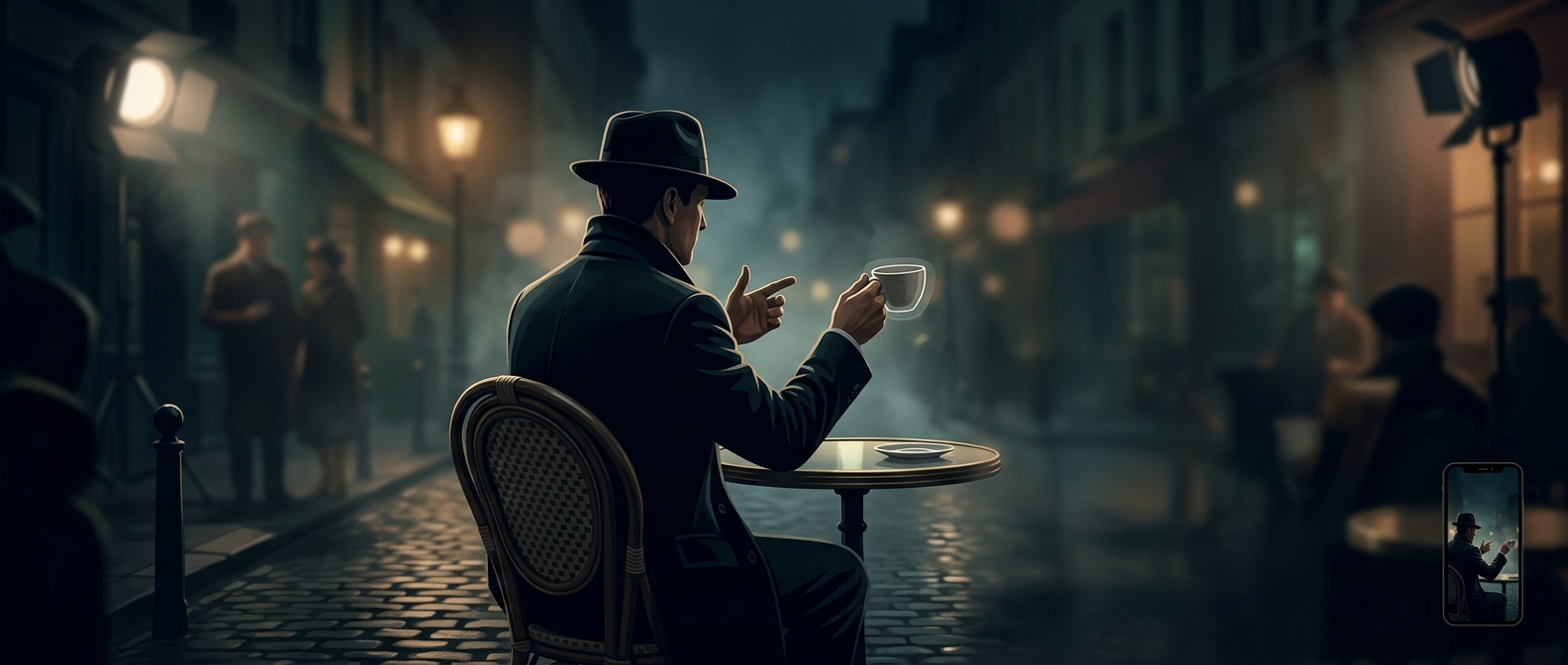
A Cup Has to Behave the Same in Every Take
A scene may be filmed in pieces: a close-up of a hand lifting a cup, a line delivered across the room, then a reverse angle showing another character. If the cup contains liquid, each movement can change how much is inside, where it sits, and how it moves. That makes matching the shots harder. An empty cup stays predictable, so actors and the continuity team can repeat the same gesture without tracking a changing drink.
The Sound Is Part of the Problem
A microphone can pick up more than dialogue. Liquid shifting inside a cup may register as sloshing, while a cup set down can make an unwanted clink. Those noises can compete with a line or vary from take to take. Film crews can add or replace sounds later, but avoiding an unpredictable noise on set makes the recording easier to use.
Acting Supplies the Missing Weight
An empty cup may feel lighter than a real drink, so performers use familiar cues—how firmly they grip it, how quickly they lift it, and how carefully they set it down—to make the action look natural. The aim is not to reproduce the drink’s physics exactly; it is to preserve the impression on camera. That small adjustment helps keep a simple coffee break from becoming a spill, a sound problem, or a continuity mismatch.