Why Some Books Are Built to Be Seen
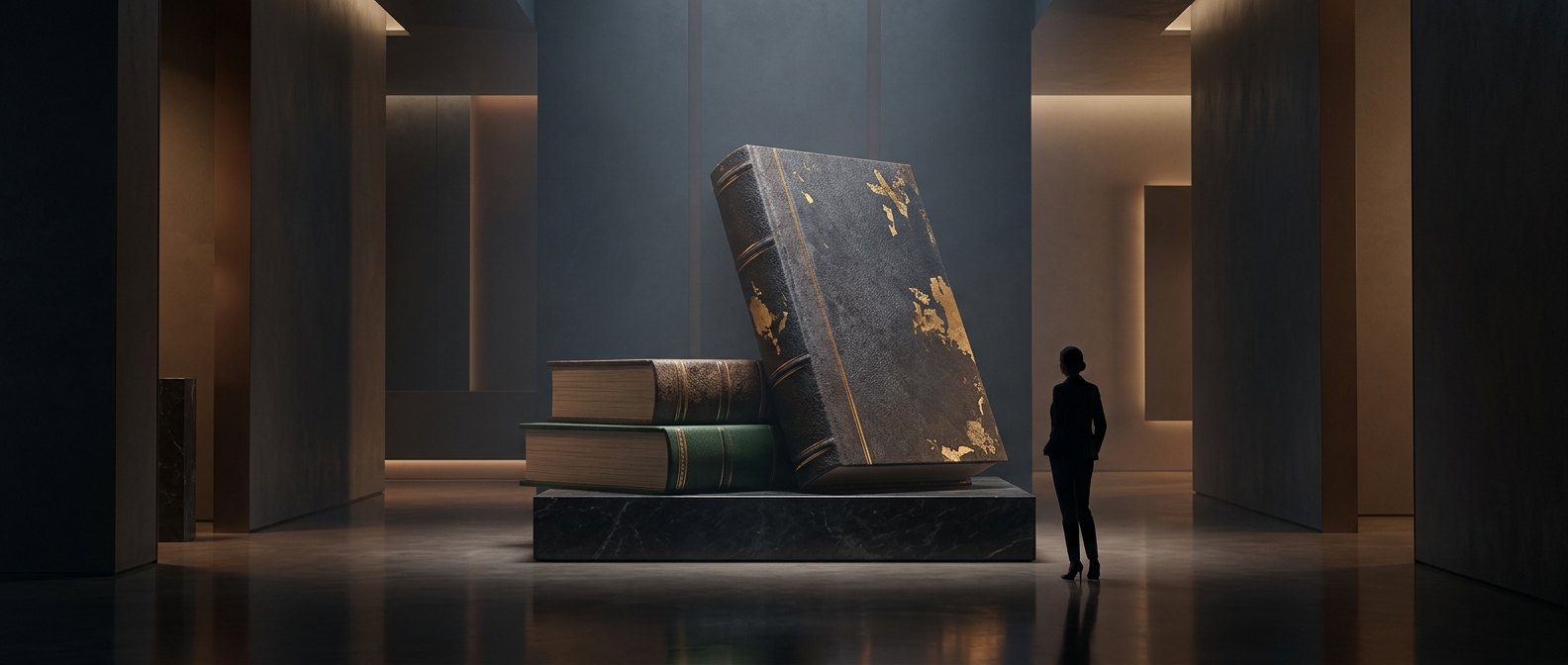
A massive coffee-table book has a different job from a pocket novel. Its size gives photographs, paintings, or design spreads room to command attention, while a bold cover can make the volume look like part of a room’s décor. The book is meant to communicate its subject even when nobody is reading it: a visible cover and a few large images can signal a household’s interests at a glance.
The Tradeoff Behind the Format
That visual impact comes at a cost. A large, heavy volume takes up space and can be difficult to hold open, especially if its pages are meant to lie flat across a table rather than rest comfortably in someone’s hands. Small type, dense text, or a binding that resists opening can make sustained reading less convenient.
The format therefore favors browsing. A reader can dip into a spread, look at an image, and leave the book on display without following a continuous narrative. In some cases, the object’s presence is as important as the information inside it. That is why a book can succeed as a designed room accent even when its size makes it an awkward companion to read on the couch.