Why a quick switch leaves a mental tab open
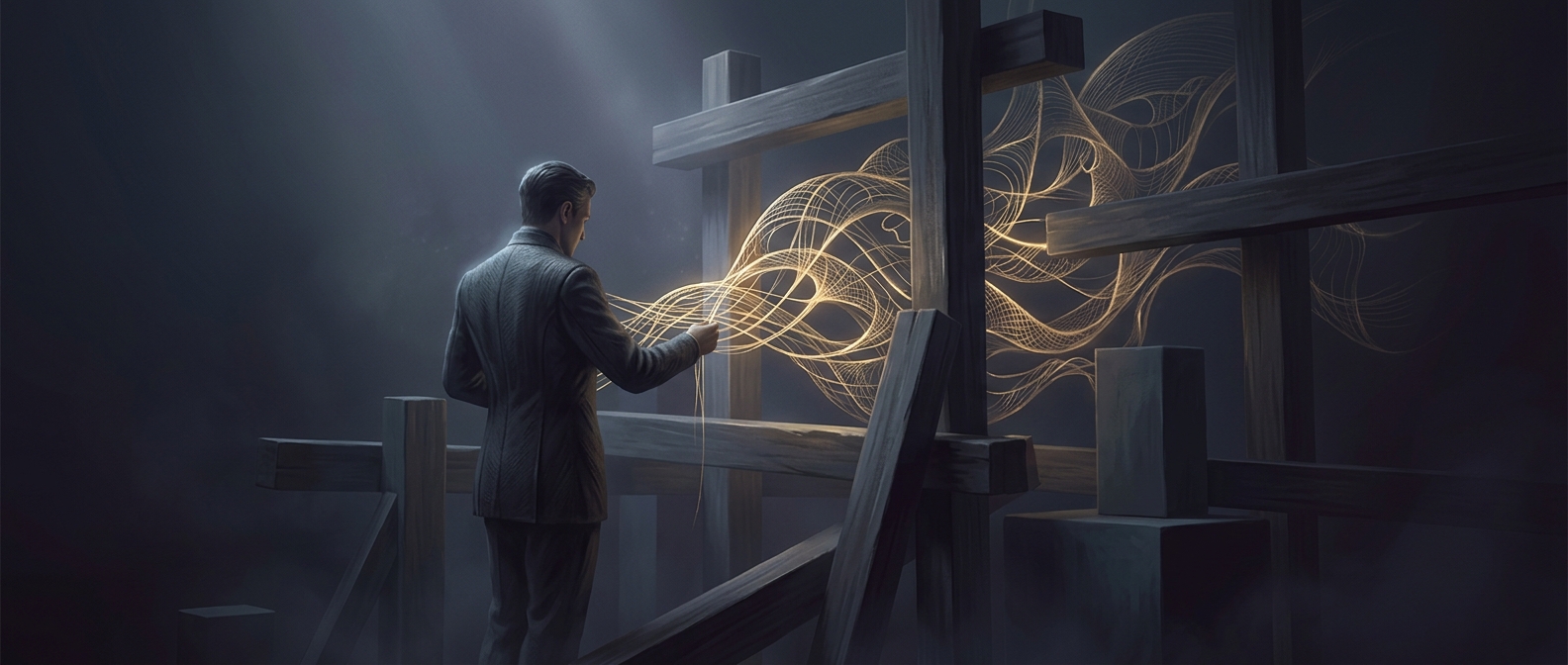
A task can end before your attention has fully moved on. After answering a message, part of your mind may still be tracking what you wrote, whether a reply is coming, or what you meant to do next. That lingering focus is often called attention residue: thoughts from one task continue to occupy some of the mental space needed for another.
The effect is not limited to difficult work. A simple message can leave an unfinished question or a social concern behind. When you turn to a report, you must both absorb its content and resist the pull of that unresolved thread.
Every switch has a setup cost
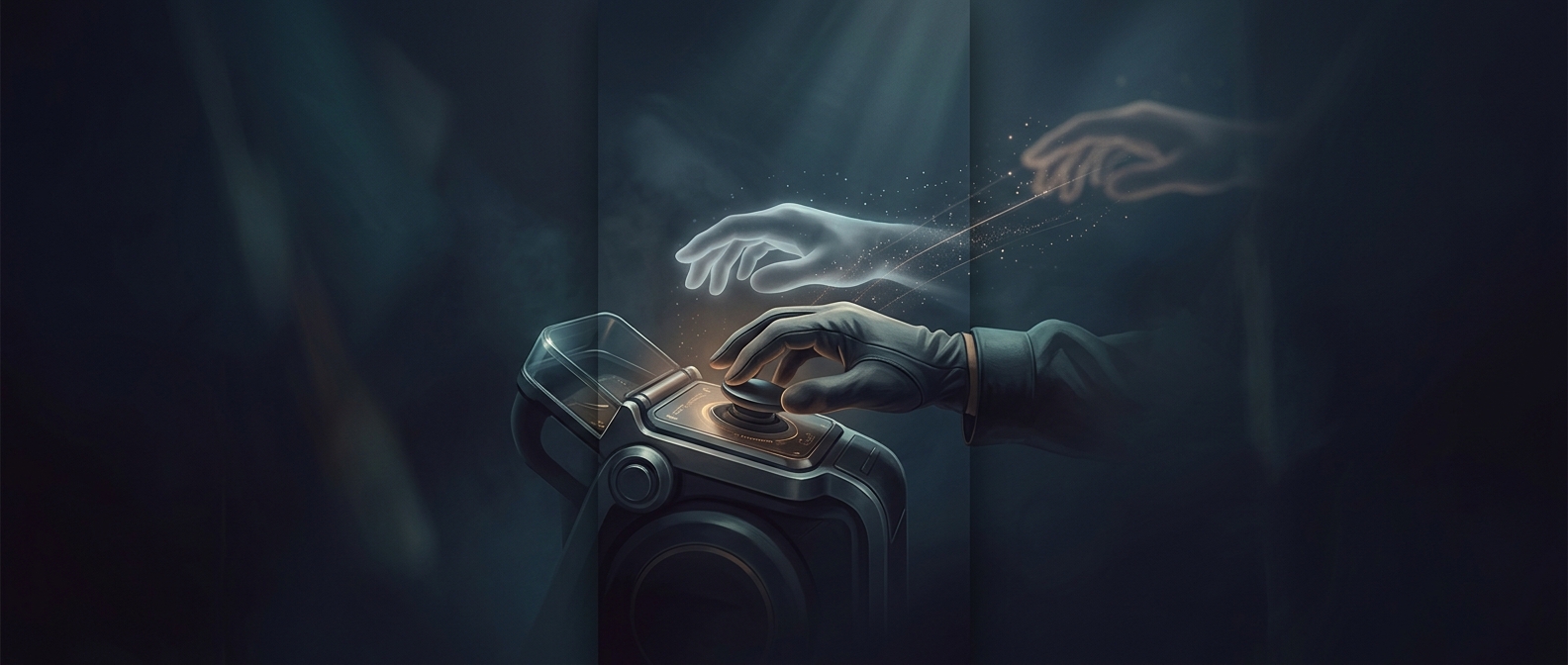
The mind also has to change its working instructions. Reading a report calls for sustained focus and following an argument; replying to a message calls for interpreting a prompt and choosing a response. Switching means dropping one set of rules and bringing the other into focus. Even if each task is easy, that adjustment takes time and can make the first moments of the new task less efficient.
Frequent interruptions compound the problem. A few seconds spent checking a notification may be followed by a longer stretch of rereading, recalling where you left off, or rebuilding the context you had in mind. The visible action is brief; the less visible cost is getting fully back on track.
Make fewer transitions, not just faster ones
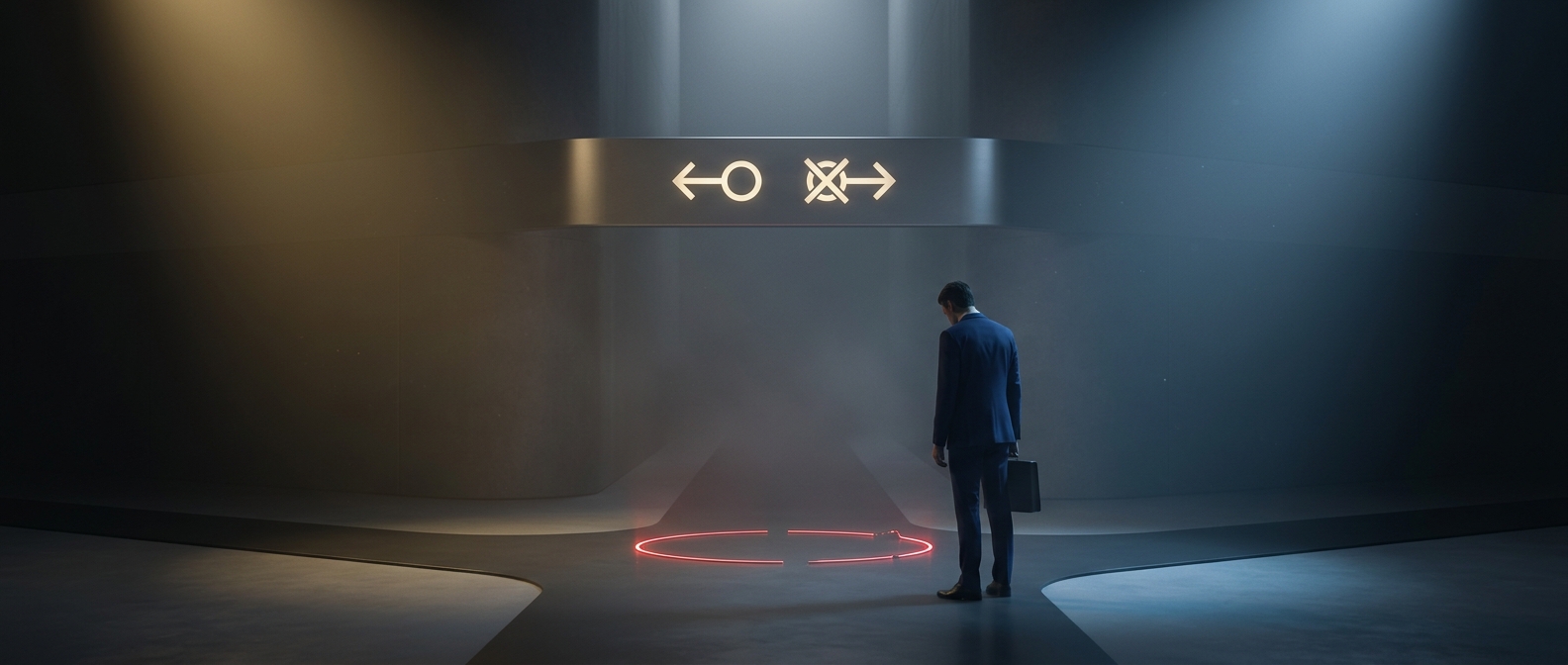
When practical, group similar small tasks together—messages in one block, focused reading in another—and leave a note about the next step before pausing a larger task. A clear stopping point gives your mind less unfinished business to carry forward. The useful measure is not how continuously busy you look, but how often you have to reload your attention.