Why a light on the “wrong” side slows your hand
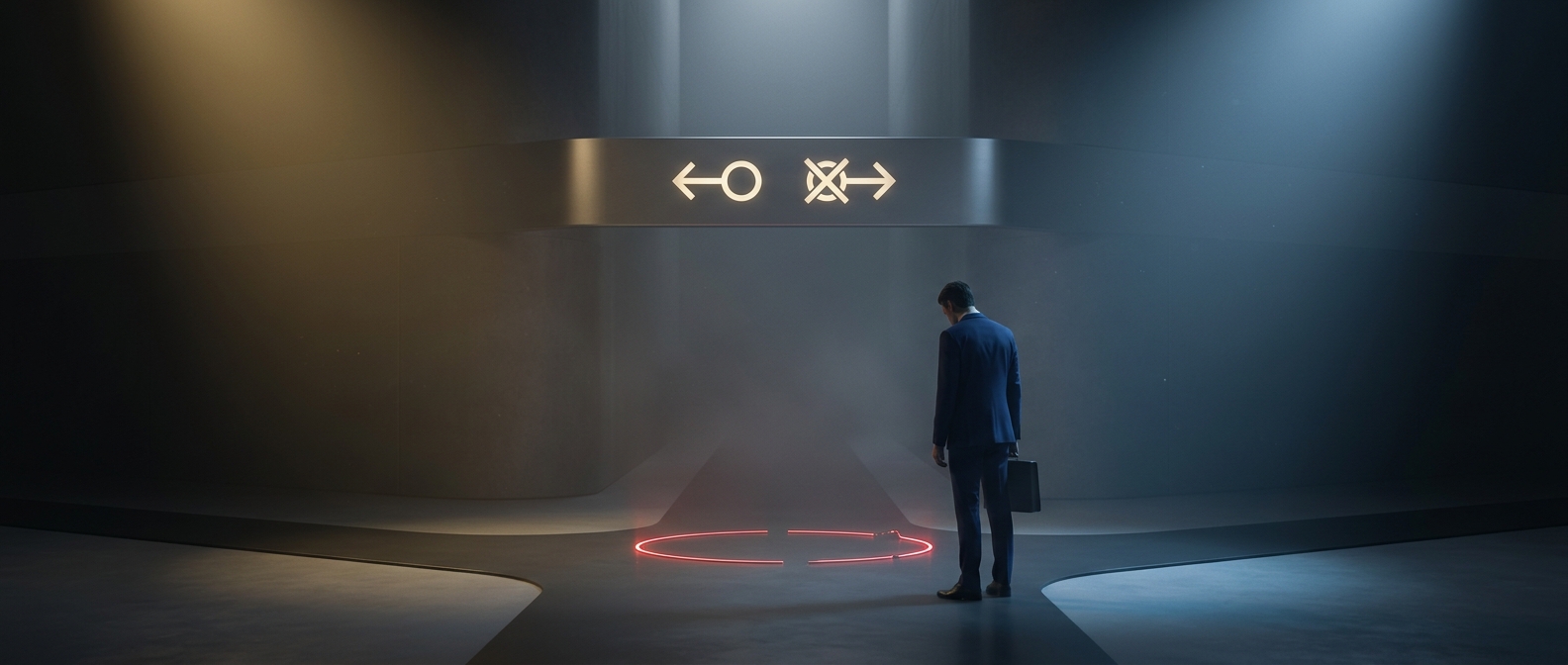
When a light flashes, its position can quietly prime a response on the same side. That impulse is useful when the task is simply to reach toward the light. But if you have been told to reach in the opposite direction, the location still nudges your first response toward the matching hand.
The delay is not because you have forgotten the instruction. Two kinds of information arrive together: the light’s location and the rule telling you what to do. Location is easy to register, even when it is irrelevant. Your brain must then keep the rule in control and inhibit the response that the location initially favors.
The extra step in an incompatible response
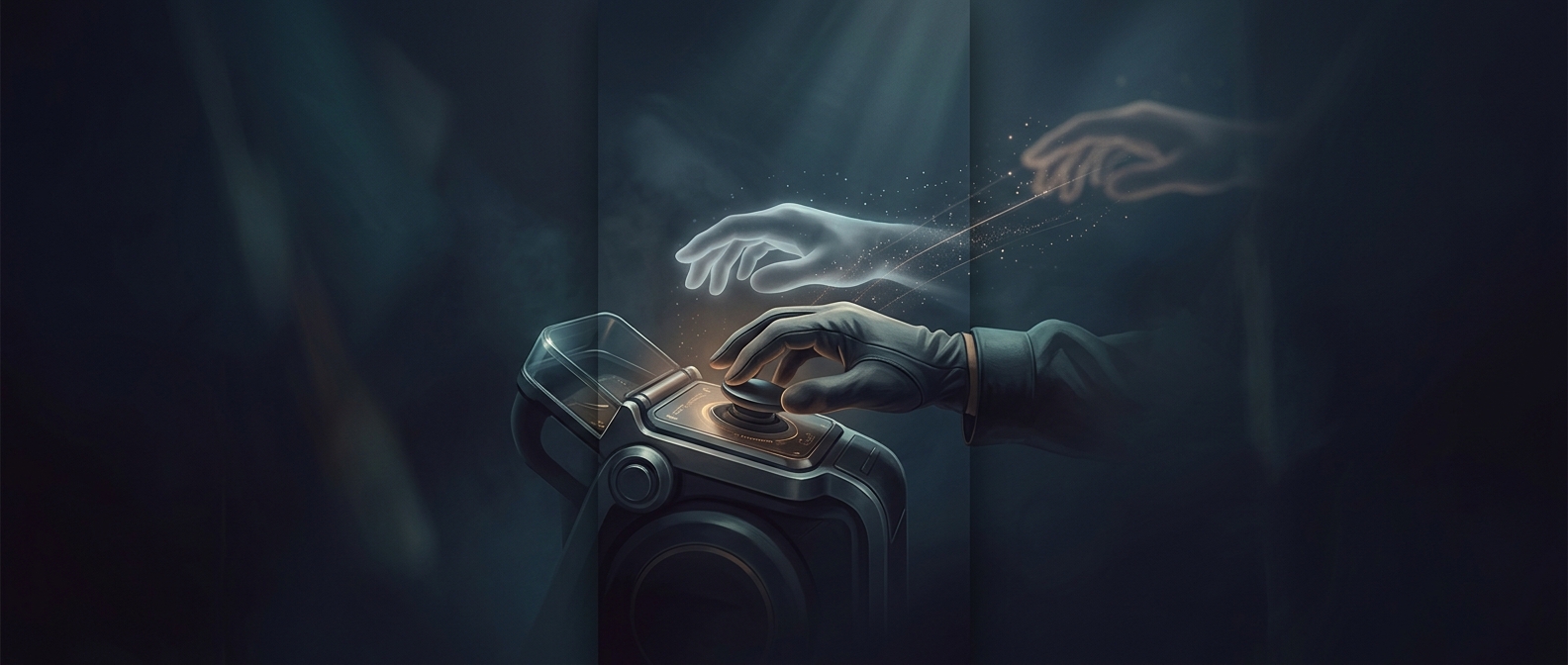
Think of the sequence as a brief tug-of-war. The flash activates a side-based impulse; the instruction points to a different action. When they agree, the impulse helps. When they conflict, the brain has to resolve the competition before the hand moves. That added control takes time, so the response is slower than it would be when location and action match.
This is an example of a broader feature of attention: information can influence behavior even when you are not supposed to use it. The mind does not always wait for a deliberate decision before preparing an action. It can begin setting up a response from a salient detail, then adjust when the task rule demands something else.
Why a tiny mismatch matters
The effect is usually subtle, but it reveals a practical cost of competing cues. In everyday life, a visual signal may suggest one action while a learned rule calls for another—such as reaching for the wrong control before correcting yourself. The important point is not that people cannot follow instructions; it is that suppressing a prepared response takes an extra beat. A cue can shape the body’s first move before conscious choice has finished.