The obituary that waits in the newsroom
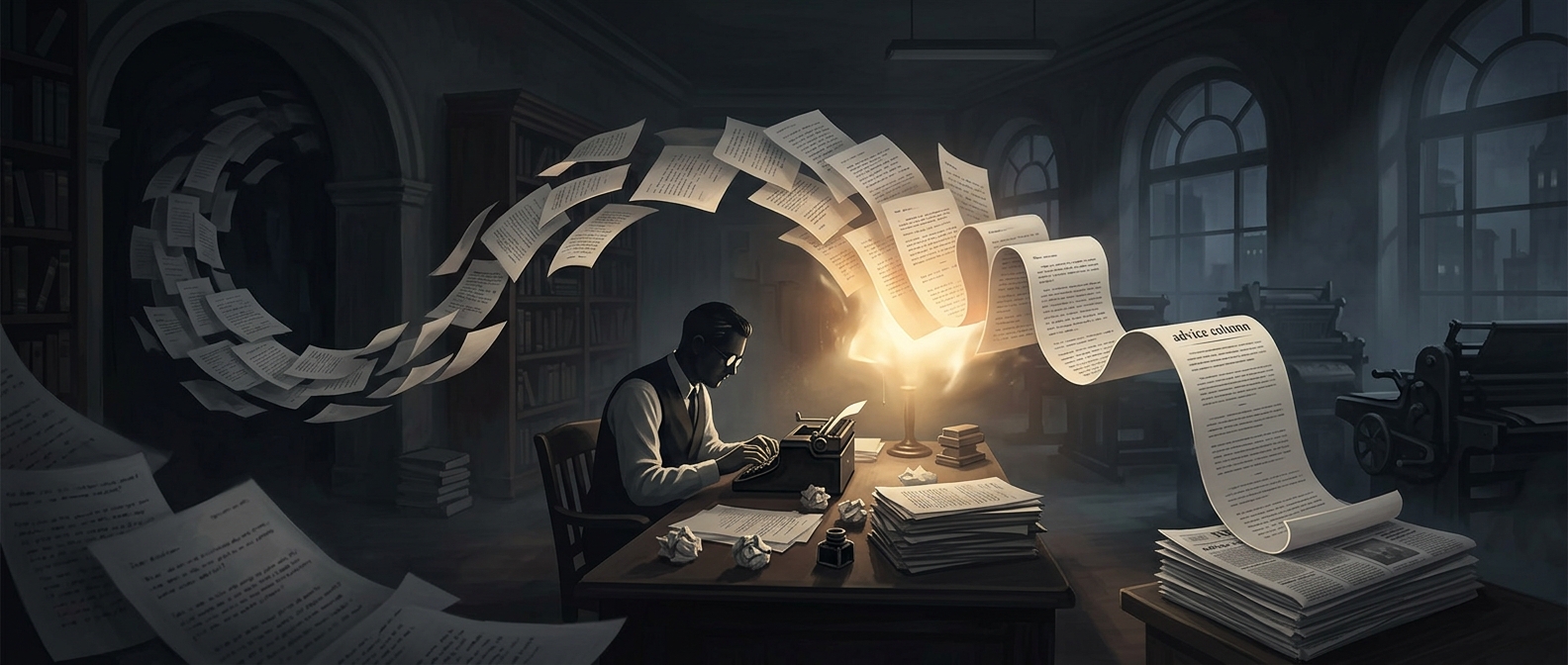
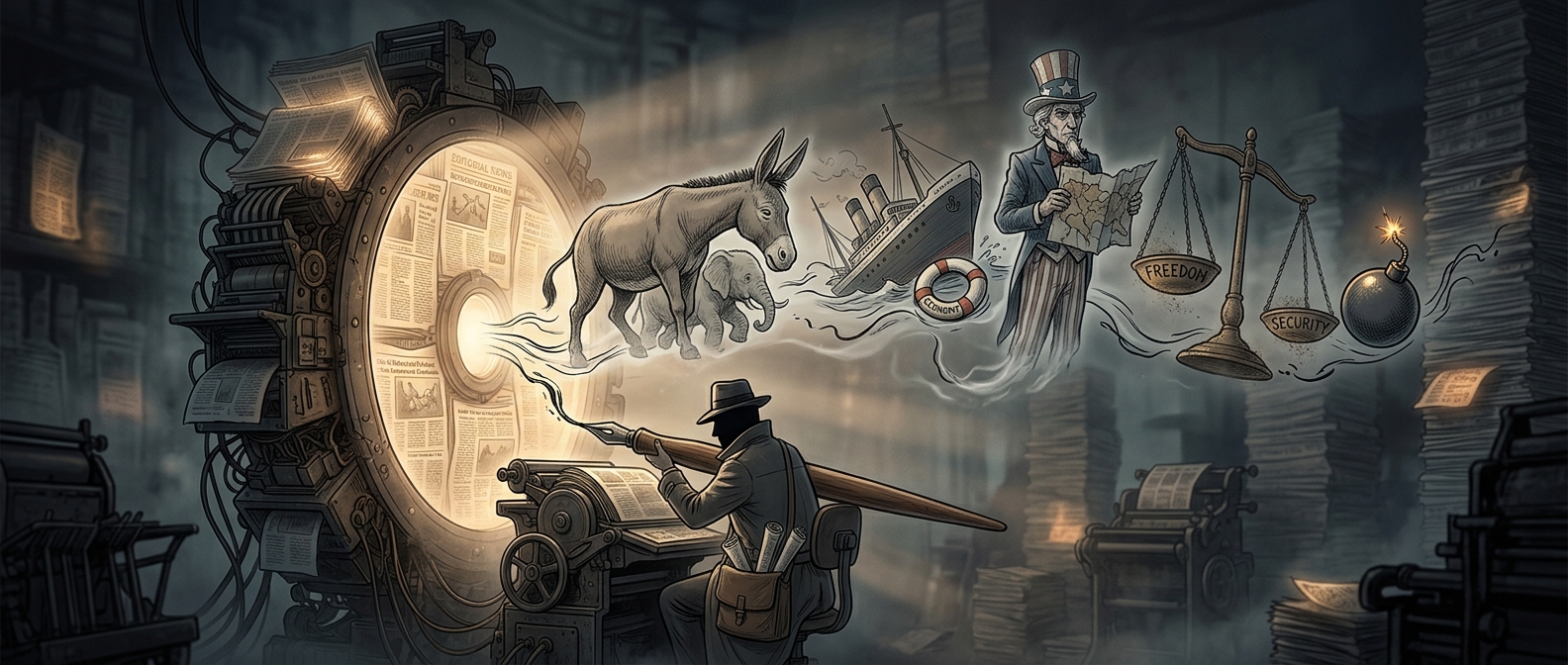
A major death can become a major news story within minutes. Reporters need to explain not only that someone has died, but why the person mattered: the work that made them famous, the choices that shaped their career, and the influence they left behind. Writing that account from scratch under deadline would invite omissions and errors. So newsrooms prepare drafts for some prominent people while they are still alive.
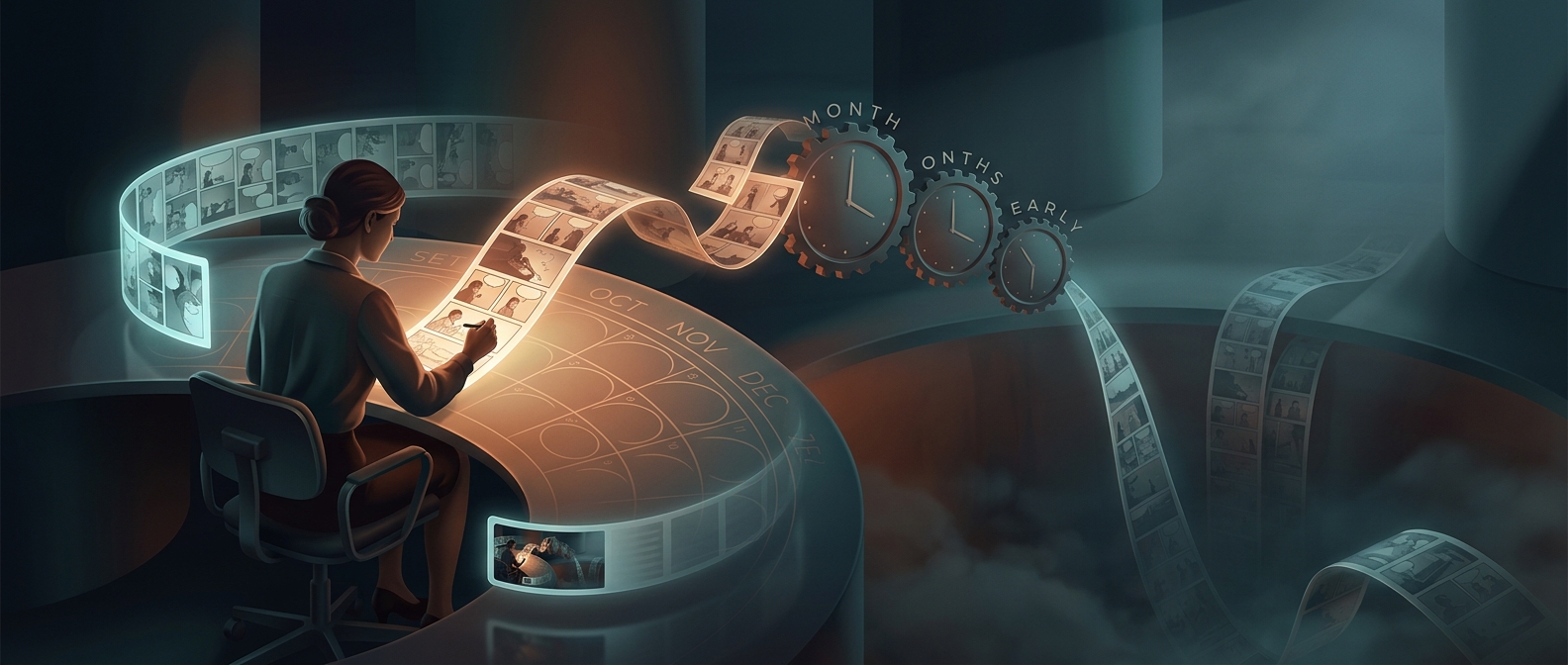
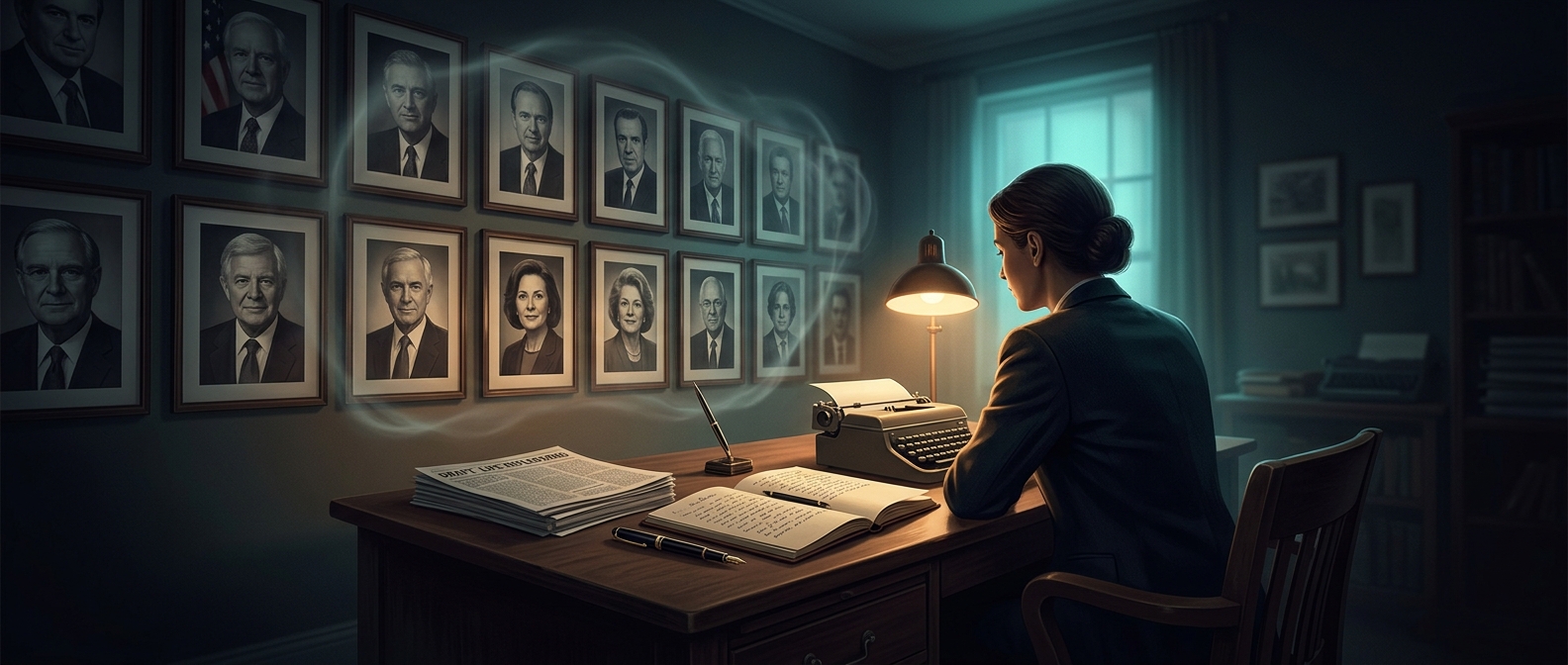
These drafts are often called advance obituaries. They are not meant to predict when someone will die. They are a form of deadline preparation, much like keeping background material ready for a fast-moving story. Editors can work through a person’s life and career carefully, check names and dates, and assemble relevant photographs or other material before the pressure of breaking news arrives.
A draft, not a finished verdict
An advance obituary is not simply placed on a shelf and published unchanged. A person may continue working, receive an award, make a public statement, or otherwise alter the story of their life. Editors may revise the draft as circumstances change. When a death is reported, the newsroom still needs to confirm the news and update the account with the latest details before publication.
Preparing in advance also helps publications decide what deserves emphasis. A long career can be reduced to a few paragraphs in a breaking-news alert, so the groundwork makes it more likely that the first account will include the contributions readers need to understand the person’s significance.
The practical result is a strange kind of newsroom time capsule: a carefully researched story kept unpublished until the event it describes has actually happened.