Why Midtown’s Old Carriages Could Outpace Today’s Cars
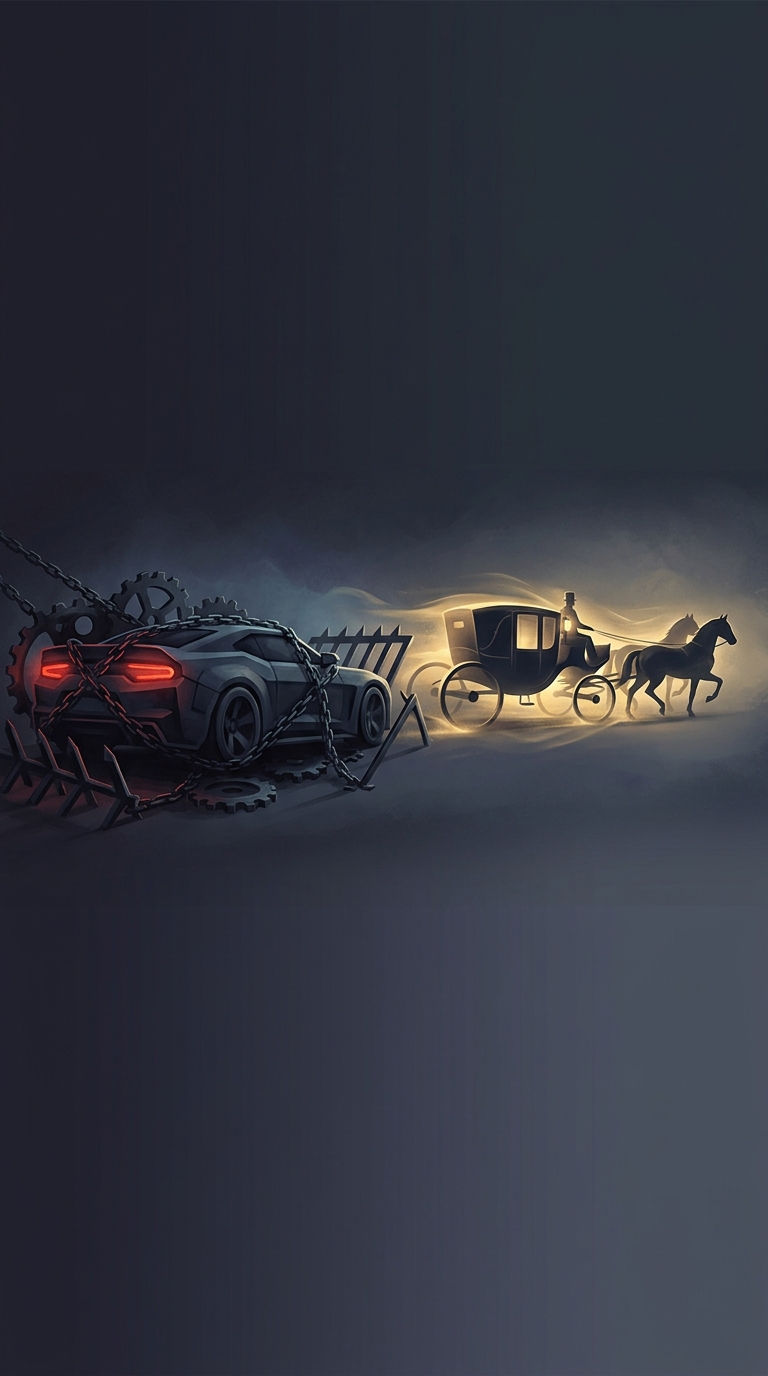
A carriage’s speed depended on more than the horse pulling it. In late-nineteenth-century Midtown, fewer vehicles competed for the same street space, so a carriage could keep moving between destinations. Today, even a powerful engine cannot make a car go faster when it is trapped behind a queue.
Intersections Turn Traffic Into a Queue
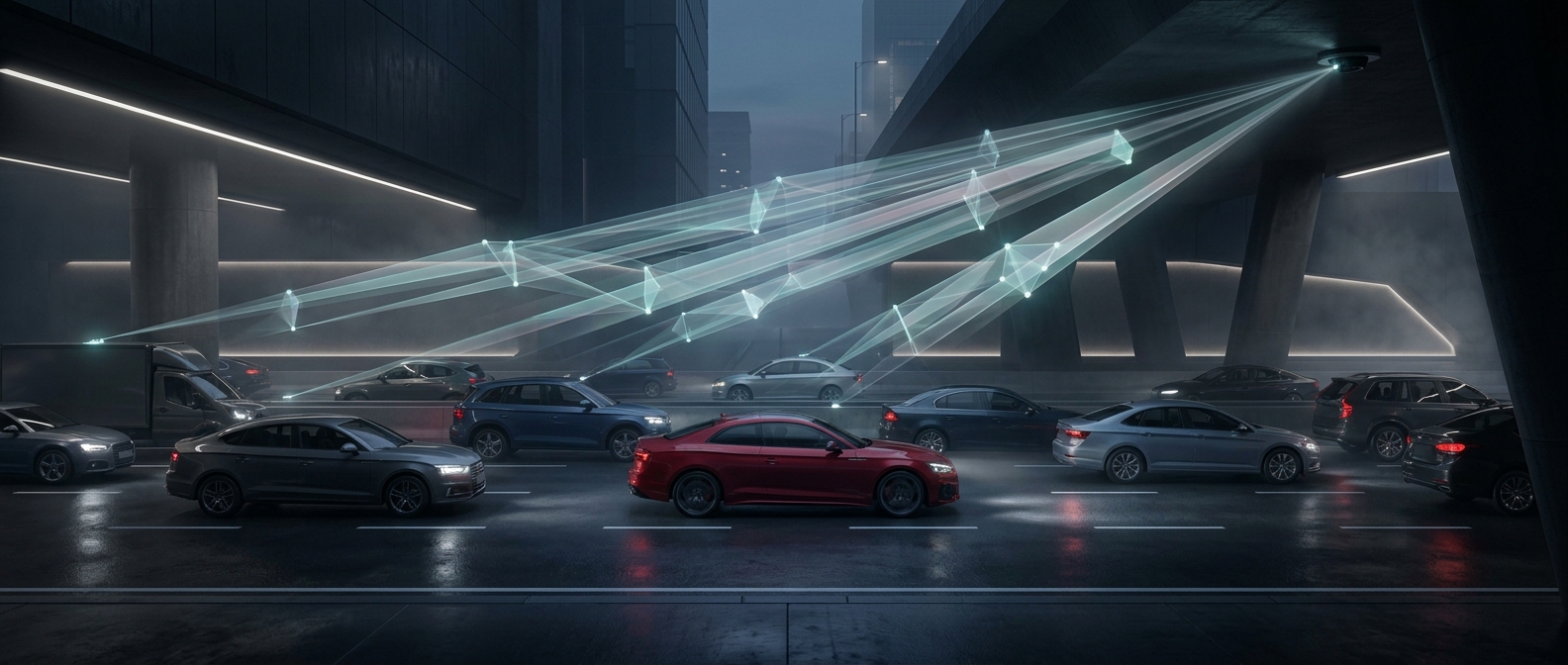
At a busy intersection, vehicles arrive faster than the space ahead can clear. A traffic signal releases them in batches; those waiting behind must move forward one at a time, then stop again at the next bottleneck. A car may accelerate quickly on an open road, but that ability matters little when its trip consists largely of waiting and inching forward.
This is why congestion is often described as a street-capacity problem, not an engine-power problem. Adding vehicles to a crowded street can reduce the average pace for everyone: each one takes up space, and each stop can ripple backward through the line.
More Power Can’t Fix a Full Street
Horse-drawn vehicles had their own limits, but with less traffic around them, they were less often forced into the stop-and-go pattern that defines modern Midtown driving. The comparison is about average progress through the street, not which vehicle could reach a higher speed on an empty stretch.
That distinction explains the paradox. A combustion engine can deliver tremendous power, yet a driver’s actual speed is set by the gaps, signals, and queues ahead. In the heart of Manhattan, the horse may have had the advantage simply because there was more room to keep rolling.