Why a Playground Game Needs Referees
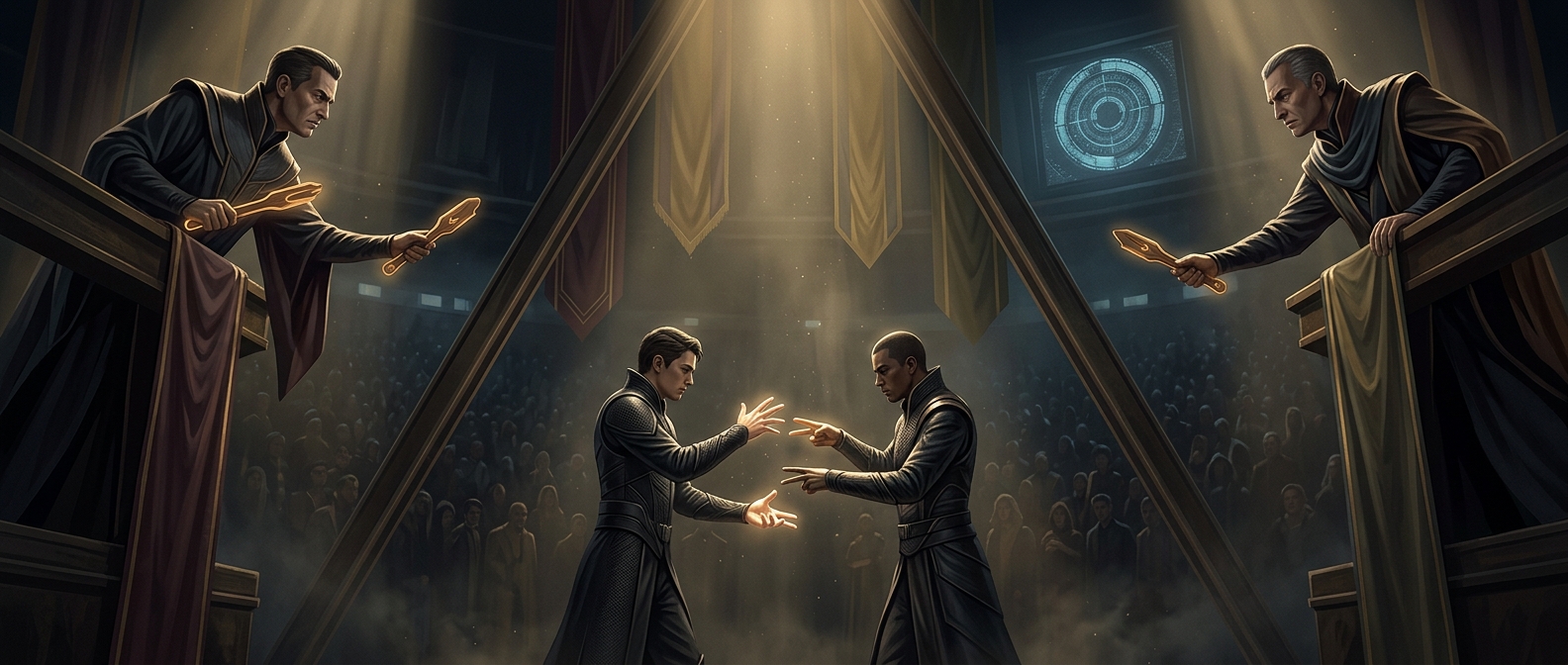
In competitive rock-paper-scissors, the challenge is not only choosing a hand sign. Both players must make a clear, properly timed throw, so an official can tell that the result came from the same exchange rather than a last-second adjustment.
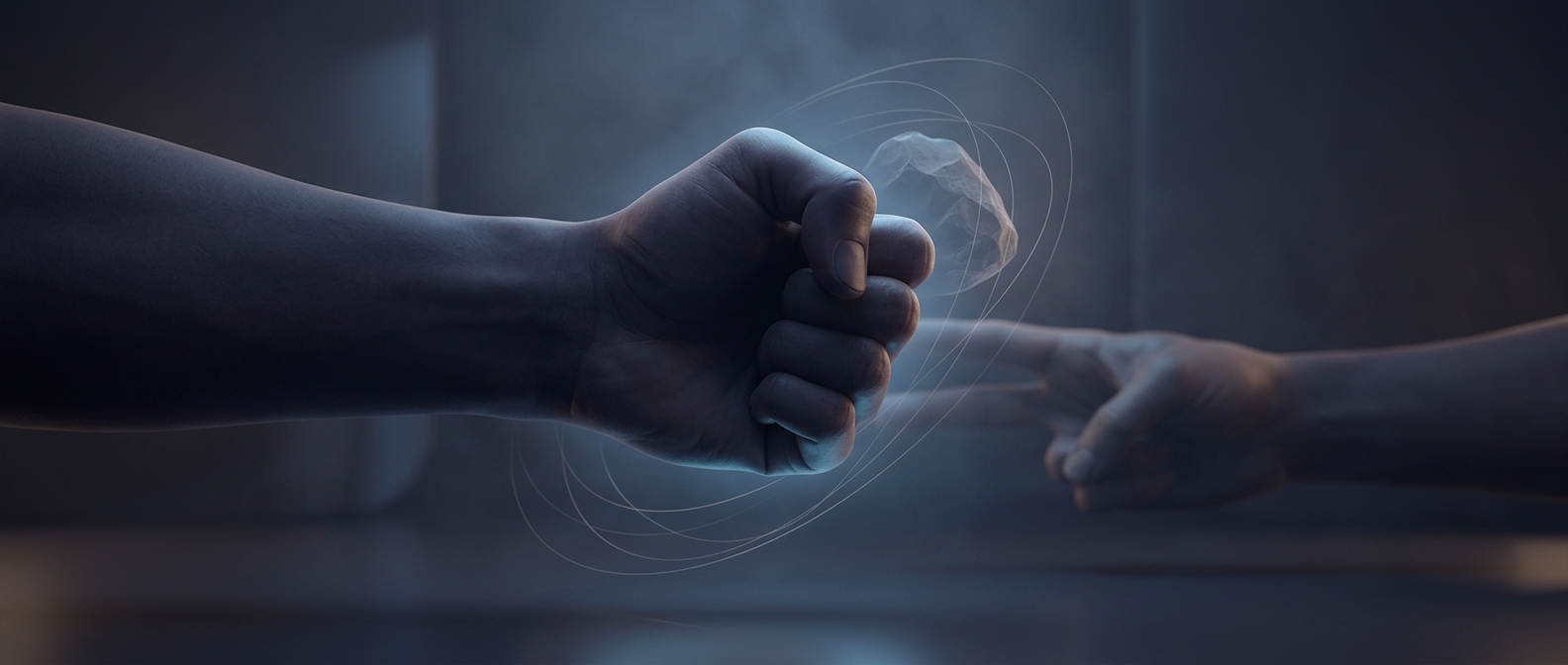
A referee watches the hands as well as the count. Wrist position can help distinguish a deliberate rock, paper, or scissors from a tilted or incomplete gesture. Throw timing matters for the same reason: if one player reveals a sign noticeably before the other, that player may be able to react instead of committing at the same moment.
Making the Outcome Fair
The rules turn a quick hand game into a repeatable contest. A standard count gives competitors a shared cue; a visible, recognizable gesture lets the referee judge the result. If a throw is unclear or mistimed, the official can apply the event’s rules rather than letting players argue over what the hands meant.
Specific procedures can differ between competitions, but the underlying problem is the same: the game depends on a simultaneous reveal. Even a tiny advantage in timing can change a round, so referees help ensure that a win reflects the players’ choices—not who managed to show a hand first.