Why a simultaneous throw can still be strategic
Rock-paper-scissors looks like a pure luck contest because each player reveals a hand sign at the same moment. But players do not choose in a vacuum: they make decisions while watching an opponent, remembering earlier rounds, and trying to guess what the opponent expects them to do.
That creates a loop of prediction. A player may notice that an opponent favors rock after losing, for example, then consider whether the opponent knows that habit has been noticed. The apparent tell is useful only if it is consistent—and only until the other player changes behavior.
The value of being hard to read
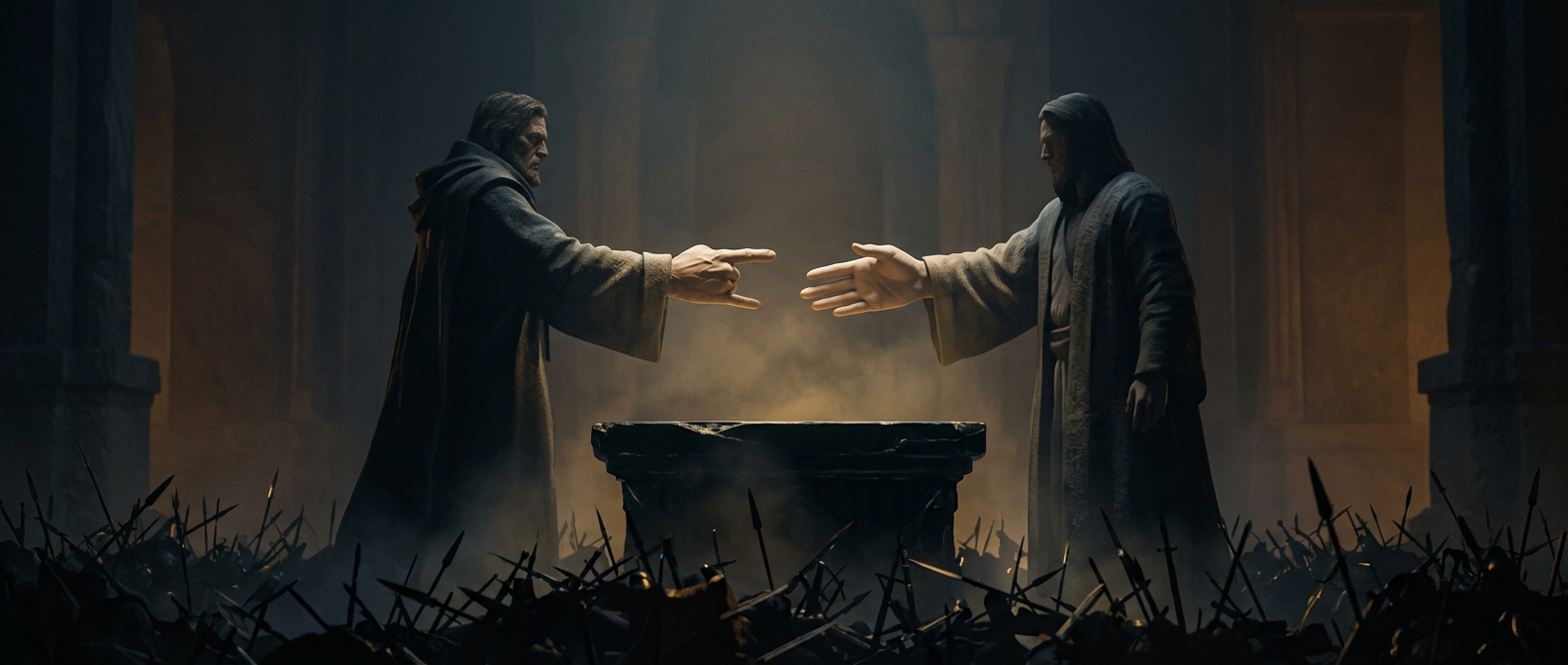
A reliable strategy cannot depend on one favorite throw. If an opponent can predict a pattern, they can answer it: paper beats rock, scissors beats paper, and rock beats scissors. Skilled players therefore try to vary their choices enough that their opponent cannot comfortably settle on a counter.
This is the logic of a mixed strategy: choosing among options unpredictably rather than repeating a fixed sequence. In practice, players may still look for tendencies or use a pattern of their own, but they must weigh the risk of becoming predictable against the chance of exploiting a read.
A contest over information
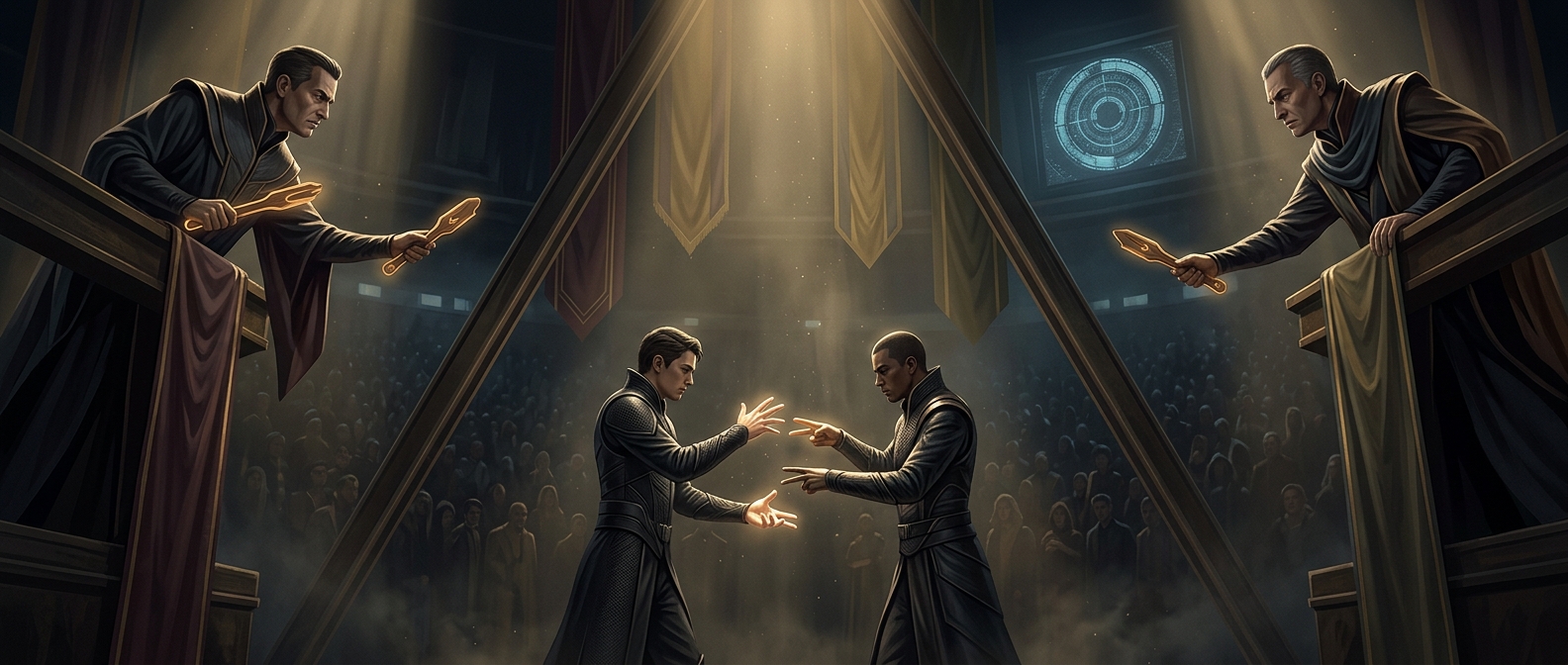
Tournament play adds pressure to that calculation. A player has little time to assess a tell, decide whether it is meaningful, and choose a response. Meanwhile, an opponent may deliberately vary their throws—or behave in a way that encourages a mistaken prediction.
So the contest is not simply about spotting a gesture. It is about deciding how much to trust what you have seen, while assuming the other player is making the same calculation. A tiny habit can become an advantage, but the moment it is recognized, it can also become bait.