A made-up number needs a real dialing plan
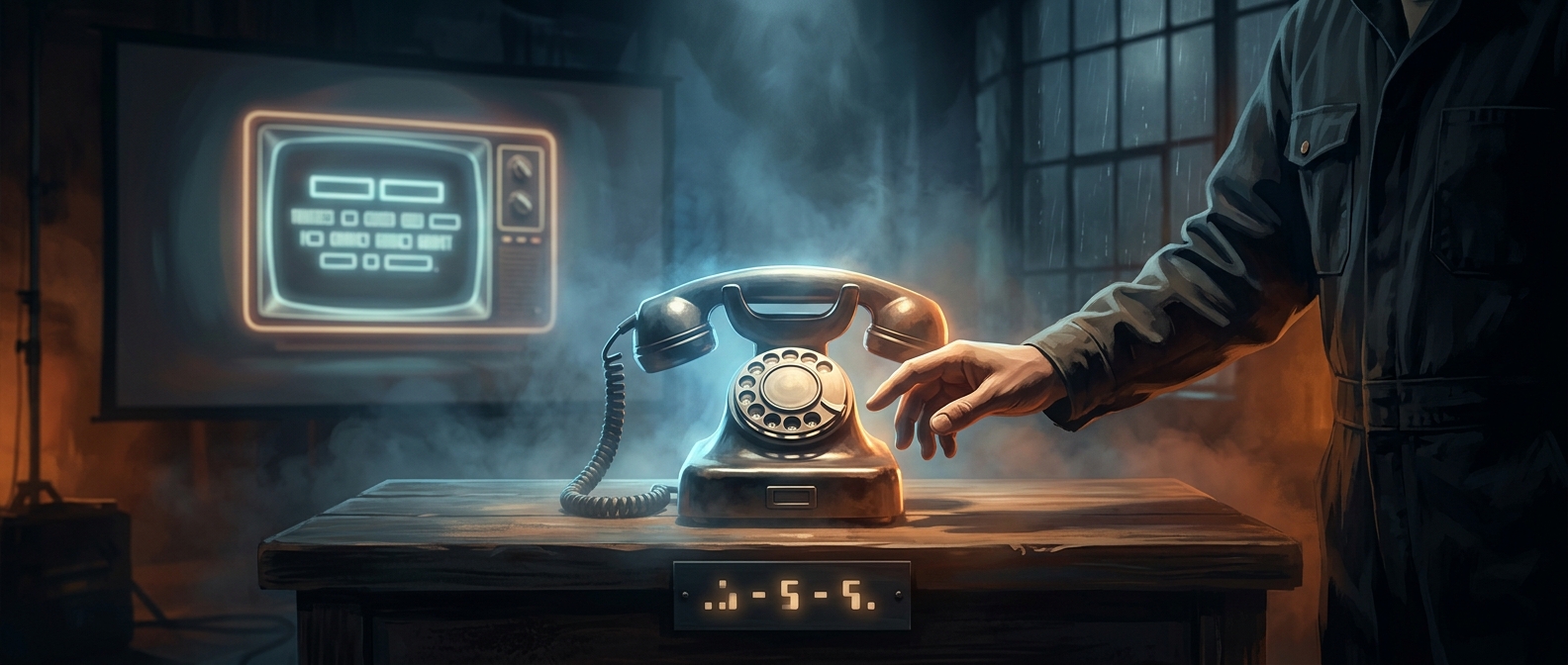
A phone number in a film or television show has to look plausible, but it can also be dialed by someone watching at home. Before a protected range was widely used, a script could accidentally include a real subscriber’s number. Curious viewers might call, flooding that person’s line or tying up a local exchange—the equipment that connects calls within an area.
The 555 prefix offered a practical fix: telephone companies could reserve numbers beginning with it for use in fiction, giving writers a recognizable number pattern without pointing viewers toward an ordinary household line.
The protected block is narrower than it looks
Today, the familiar safe range is more specific: in the North American Numbering Plan, 555-0100 through 555-0199 are reserved for fictional use. In a complete number, an area code comes before the 555 exchange—for example, a made-up number might be written as 212-555-0147.
That distinction matters because not every number containing 555 is imaginary. Some 555 numbers have been used for services, and the reserved fictional range is the hundred-number block ending in 0100 through 0199. The convention lets a story show a number that looks ordinary enough to belong in its world while reducing the chance that a viewer will reach a real person.