A gag that crossed the line from make-believe
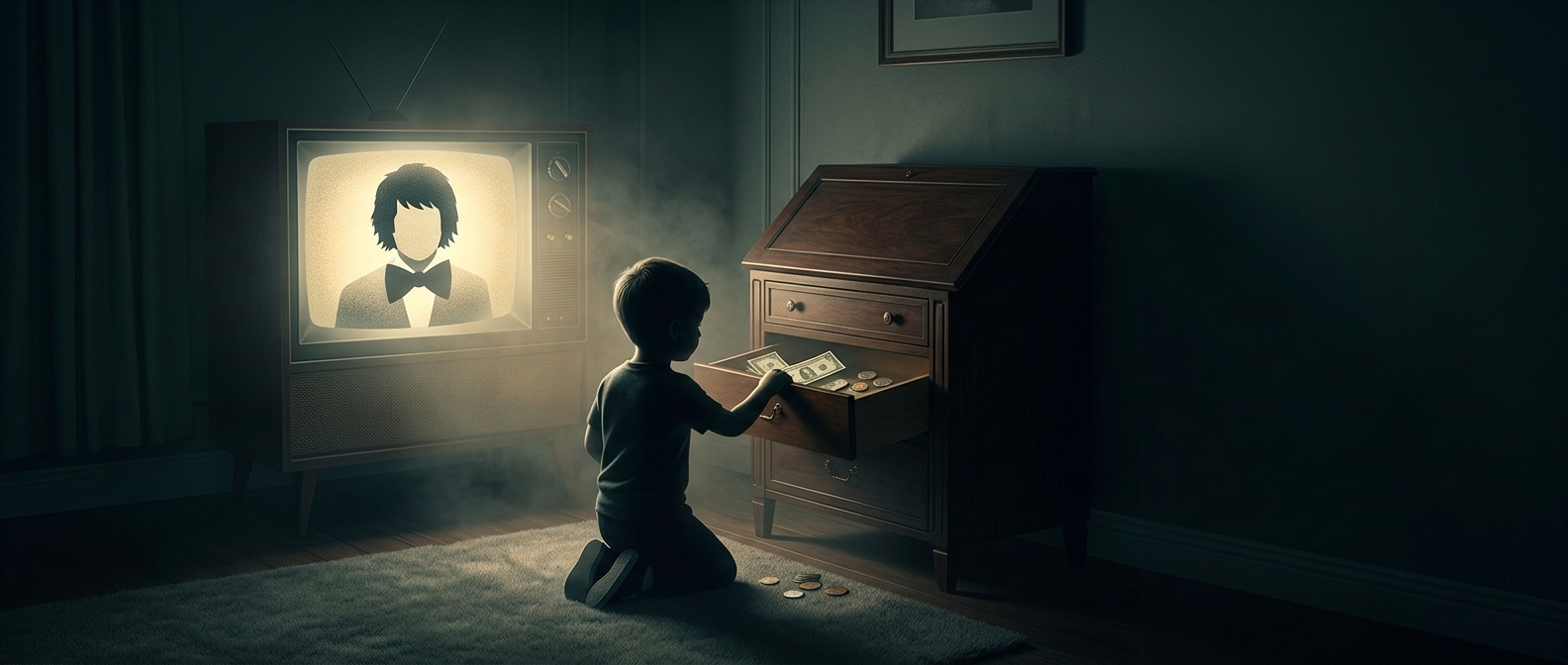
Soupy Sales built his children’s show around silliness, slapstick and direct appeals to the young viewers watching at home. The wallet routine used that familiar setup: he addressed children as if they were in on a mischievous joke, then asked them to take money from their sleeping parents and send it to him.
The punch line depended on children recognizing the request as absurd—not treating it as an instruction. But television carried the same words into thousands of homes, where some young viewers took them literally. A gag that worked as playful rule-breaking on screen became a real intrusion into family life once children opened wallets and removed cash.
When the audience joined in
The incident exposed a basic mismatch between a performer’s intention and a child’s interpretation. Adults could hear the request as comic exaggeration; younger viewers might hear a trusted television personality giving them a specific task. And unlike a joke among adults, a children’s broadcast reached viewers who could act before anyone nearby explained the joke.
The episode caused enough concern that Sales was taken off the air temporarily. Its lasting sting comes from how ordinary the setup was: no elaborate stunt, just a familiar comic speaking directly to children. The moment showed that on children’s television, a joke about breaking a rule can become a real instruction the instant a young viewer decides to follow it.